
Introduction
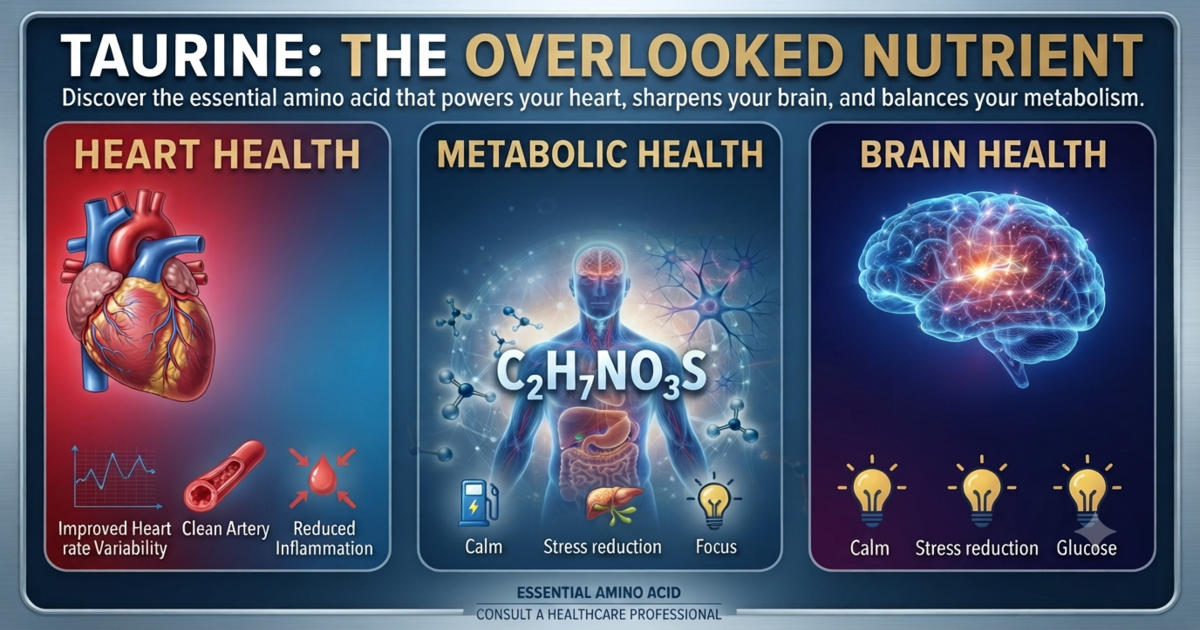
For years, taurine was primarily associated with energy drinks, leading many people to overlook its broader importance in human health. However, emerging research is changing that perception.
Scientists are now re-examining taurine benefits as a nutrient that may support cardiovascular function, brain health, metabolism, exercise recovery, and even healthy aging. In fact, some researchers believe taurine could become one of the most important nutrients in longevity science.
Despite its significance, taurine remains one of the least discussed compounds in mainstream nutrition.
This renewed scientific interest has sparked what many experts are calling a “taurine revival”—a growing recognition of the nutrient’s role in supporting overall wellness.
What Is Taurine?
Taurine is a sulfur-containing amino acid-like compound found throughout the body. Unlike traditional amino acids, taurine is not used to build proteins. Instead, it performs numerous regulatory functions that help maintain cellular health.
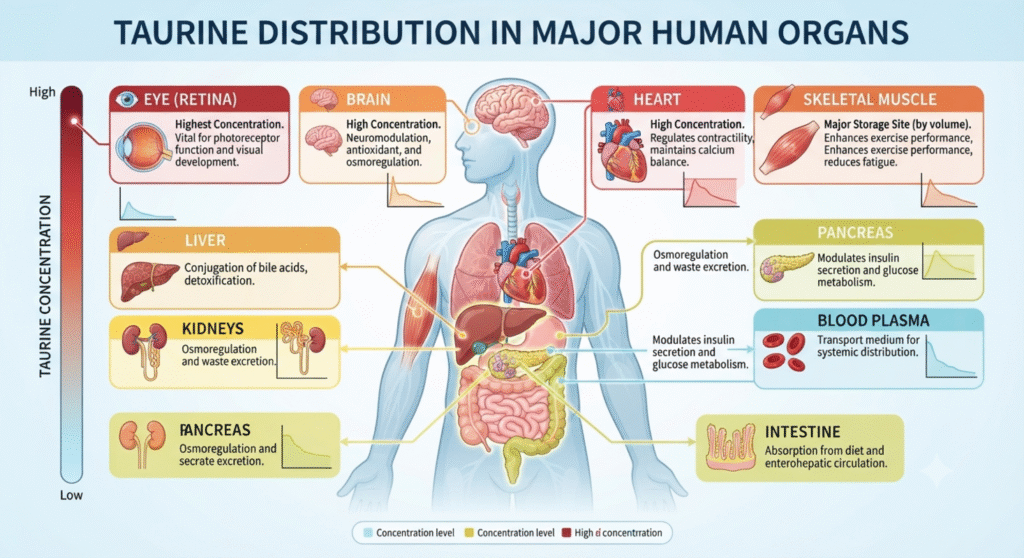
Taurine is highly concentrated in:
- Heart tissue
- Brain tissue
- Skeletal muscles
- Eyes
- Nervous system
The body can produce taurine from other amino acids, but production may decline with age, illness, or inadequate nutrient intake.
Because taurine participates in many physiological processes, maintaining adequate levels is important for long-term health.
Why Taurine Is Making a Comeback
Interest in taurine surged after several recent studies suggested that taurine levels naturally decline with age.
Researchers observed that lower taurine levels may be associated with:
- Reduced physical performance
- Metabolic dysfunction
- Increased inflammation
- Cardiovascular risk
- Accelerated biological aging
A landmark study published in Science found that taurine supplementation improved several markers of healthy aging in animal models, sparking renewed interest among longevity researchers.
While more human studies are needed, the findings highlighted taurine as a promising nutrient worthy of further investigation.
How Taurine Supports Heart Health
One of taurine’s most well-established functions involves cardiovascular support.
Blood Pressure Regulation
Taurine helps regulate calcium movement within cells, supporting healthy blood vessel function and circulation.
Research suggests taurine may help maintain healthy blood pressure levels when combined with a balanced lifestyle.
Heart Muscle Function
The heart contains particularly high concentrations of taurine.
Adequate taurine supports:
- Normal cardiac contraction
- Electrical stability
- Healthy circulation
- Cellular energy production
Oxidative Stress Protection
Taurine also acts as a cellular protector, helping reduce oxidative stress that may contribute to cardiovascular aging.
Taurine and Brain Function
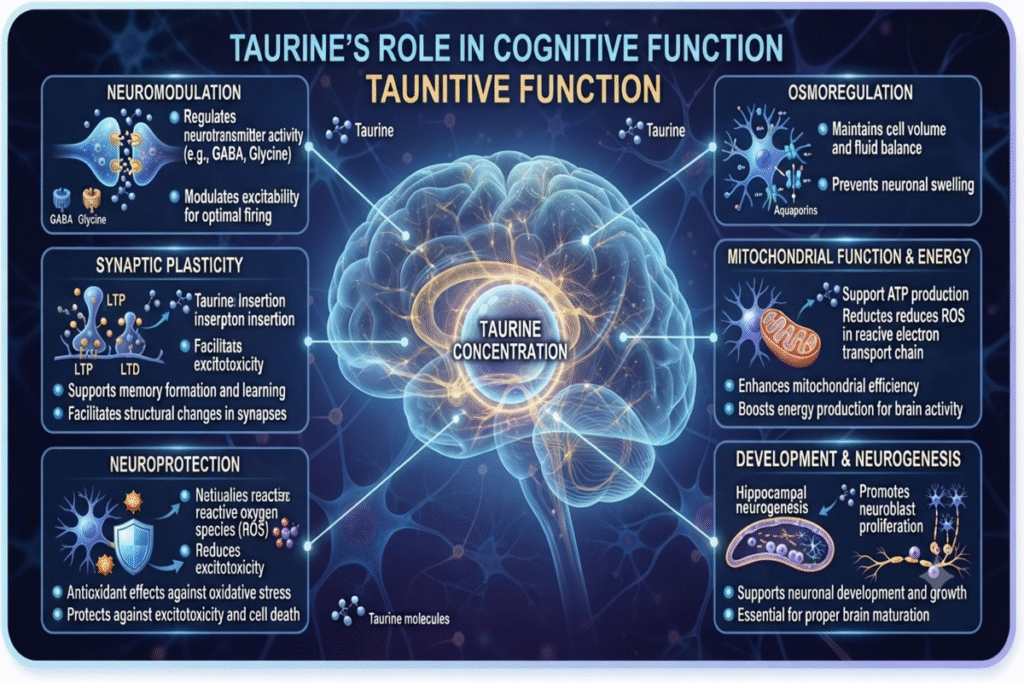
The brain relies on taurine for multiple protective and regulatory functions.
Nervous System Support
Taurine helps regulate neurotransmitter activity and may contribute to a balanced nervous system response.
Cognitive Health
Emerging evidence suggests taurine may support:
- Mental clarity
- Learning processes
- Memory function
- Neuroprotection
Stress Response
Taurine appears to influence GABA and other neurotransmitter systems involved in relaxation and stress management.
This may explain why adequate taurine levels are associated with better nervous system resilience.
The Connection Between Taurine and Metabolic Health
Taurine plays several important roles in metabolism.
Blood Sugar Regulation
Research suggests taurine may support healthy insulin sensitivity and glucose utilization.
Stable glucose metabolism is critical for:
- Sustained energy
- Appetite control
- Weight management
- Reduced metabolic stress
Fat Metabolism
Taurine contributes to bile salt formation, which helps the body digest and process dietary fats.
Exercise Performance
Some studies indicate taurine may support:
- Endurance
- Recovery
- Muscle function
- Reduced exercise-induced oxidative stress
Taurine’s Potential Role in Healthy Aging
One reason taurine has attracted so much attention recently is its potential connection to longevity.
Researchers have observed that taurine levels tend to decline as people age.
Potential aging-related benefits under investigation include:
- Reduced inflammation
- Better mitochondrial function
- Improved metabolic health
- Enhanced cellular resilience
- Support for muscle maintenance
Although taurine is not a miracle anti-aging compound, maintaining healthy levels may support healthier aging processes.
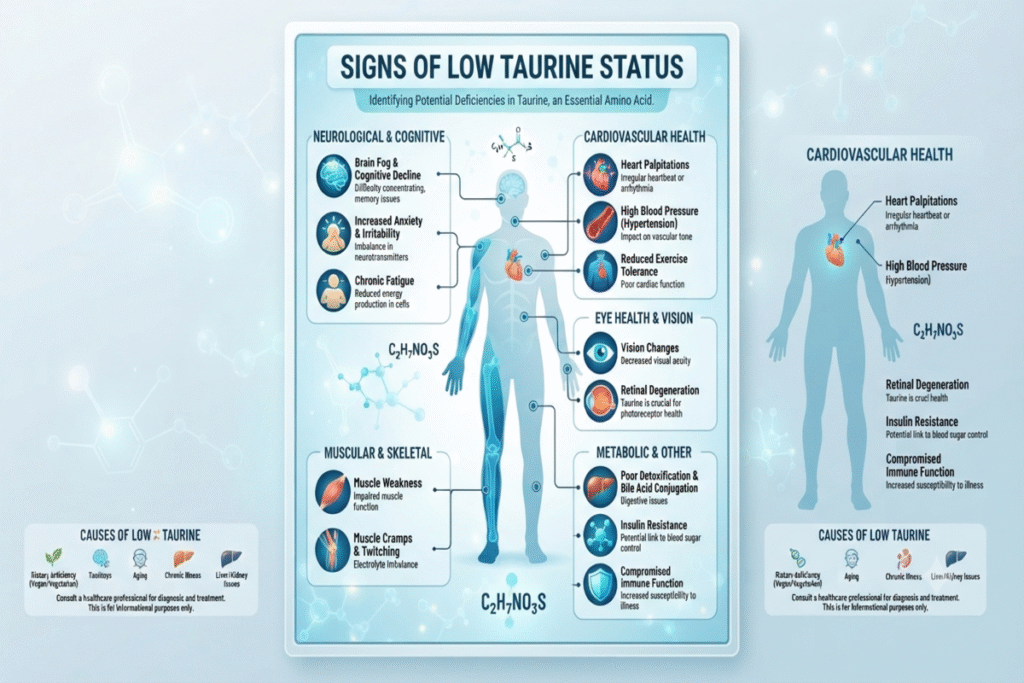
Signs You May Not Be Getting Enough Taurine
True taurine deficiency is uncommon, but suboptimal levels may occur.
Potential signs include:
- Fatigue
- Reduced exercise capacity
- Poor recovery
- Low energy
- Cognitive sluggishness
- Increased oxidative stress
- Age-related decline in physical performance
Certain populations may have a higher risk of inadequate taurine intake.
These include:
- Strict vegans
- Older adults
- Individuals with digestive disorders
- People under chronic physiological stress
Best Food Sources of Taurine
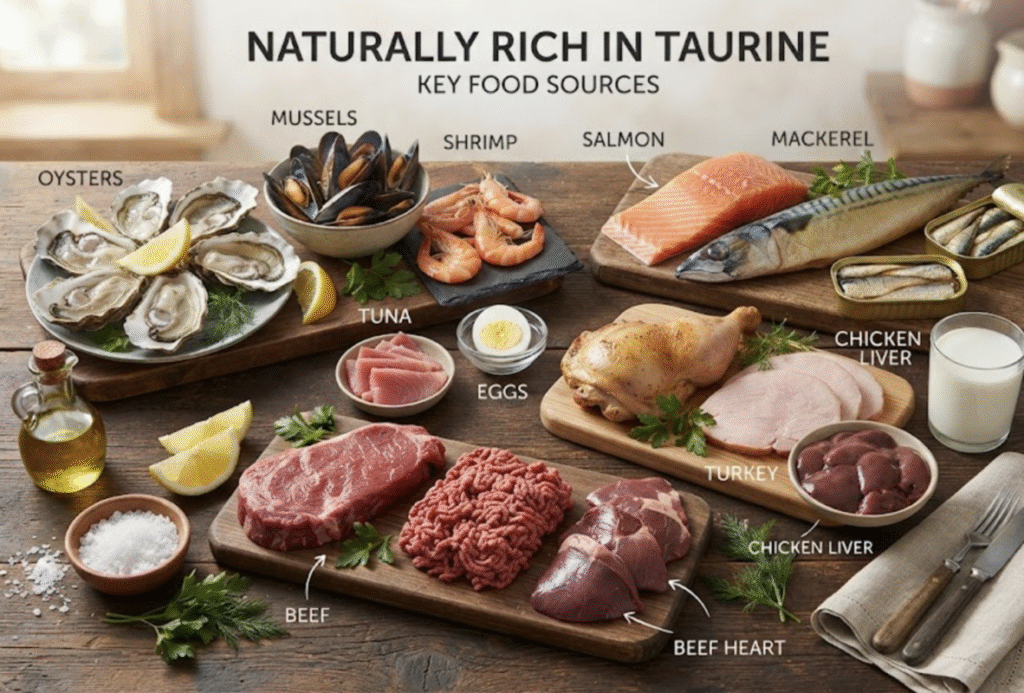
Taurine is found almost exclusively in animal-based foods.
| Food | Approximate Taurine Content |
|---|---|
| Shellfish | Very High |
| Dark Meat Turkey | High |
| Chicken | Moderate |
| Beef | Moderate |
| Salmon | Moderate |
| Tuna | Moderate |
| Dairy Products | Low |
| Plant Foods | Minimal |
Because taurine is largely absent from plant foods, individuals following vegan diets may consume very little dietary taurine.
Can Taurine Supplements Help?
Taurine supplements have become increasingly popular among athletes, healthy aging enthusiasts, and individuals interested in metabolic health.
Potential benefits under investigation include:
- Cardiovascular support
- Exercise recovery
- Cognitive health
- Healthy aging
- Metabolic function
However, supplements should complement—not replace—a nutrient-dense diet.
Individuals with medical conditions should consult healthcare professionals before supplementation.
Key Benefits of Taurine
1. Supports Heart Health
Promotes healthy circulation, blood vessel function, and cardiac performance.
2. Supports Brain Function
May contribute to memory, focus, and nervous system balance.
3. Promotes Metabolic Health
Supports insulin sensitivity and energy regulation.
4. Aids Exercise Recovery
May help reduce exercise-induced oxidative stress.
5. Supports Healthy Aging
Emerging research suggests a role in longevity and cellular resilience.
6. Contributes to Cellular Protection
Helps defend cells against oxidative damage.
Practical Checklist for Increasing Taurine Intake
✅ Eat seafood regularly
✅ Include quality protein sources in meals
✅ Prioritize nutrient-dense whole foods
✅ Support overall metabolic health through exercise
✅ Maintain healthy sleep habits
✅ Discuss supplementation with a healthcare provider if appropriate
Expert Insights
“Taurine has emerged as a compelling candidate in aging research because it influences several pathways associated with healthspan and metabolic resilience.”
— Researchers involved in recent taurine longevity studies
FAQs
1. What does taurine do in the body?
Taurine supports cardiovascular health, nervous system function, metabolism, cellular protection, and exercise recovery.
2. Is taurine only found in energy drinks?
No. Taurine naturally occurs in seafood, meat, poultry, and other animal-based foods.
3. Can taurine support heart health?
Research suggests taurine helps maintain healthy blood vessel function, circulation, and cardiac performance.
4. Do vegans get enough taurine?
Plant foods contain very little taurine, although the body can produce some taurine from other amino acids.
5. Is taurine important for healthy aging?
Recent research suggests taurine may support several biological processes involved in healthy aging.
6. Can taurine help exercise performance?
Some studies indicate taurine may support endurance, muscle function, and recovery.
7. Should everyone take a taurine supplement?
Not necessarily. Many people can obtain taurine through a balanced diet that includes animal-based protein sources.
Authoritative Resources
- National Institutes of Health (NIH) – Office of Dietary Supplements
- Harvard T.H. Chan School of Public Health
- American Heart Association
- Cleveland Clinic
- Mayo Clinic
- Science Journal – Taurine and Healthy Aging Research
Other Interesting Article
Conclusion
Taurine may be one of the most underappreciated nutrients in modern nutrition. Once viewed primarily as an ingredient in energy drinks, it is now being recognized for its broader role in supporting cardiovascular health, brain function, metabolic resilience, and healthy aging.
While research continues to evolve, maintaining adequate taurine levels through a nutrient-rich diet may be a valuable strategy for supporting long-term wellness. As scientists learn more about this fascinating compound, taurine’s reputation as an overlooked nutrient is rapidly changing.
Wonderful information