

Introduction
Many Americans assume blood sugar is only a concern for people with diabetes. However, researchers are increasingly focusing on a different metric called glycemic variability—the degree to which blood sugar fluctuates throughout the day.
You can have a normal fasting glucose level and still experience frequent blood sugar spikes and crashes that affect energy, hunger, mood, sleep, and long-term metabolic health.
These fluctuations often go unnoticed because standard health checkups typically measure average blood sugar rather than daily variability. Yet growing evidence suggests that blood sugar stability may be just as important as blood sugar levels themselves.
What Is Glycemic Variability?
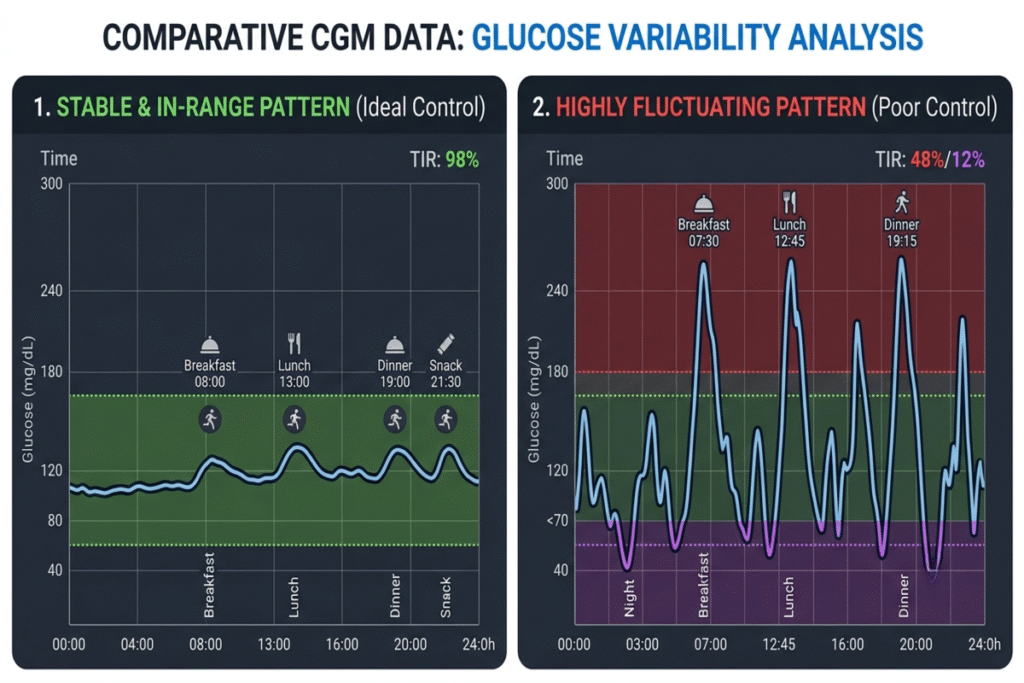
Glycemic variability refers to the ups and downs of blood glucose levels throughout the day.
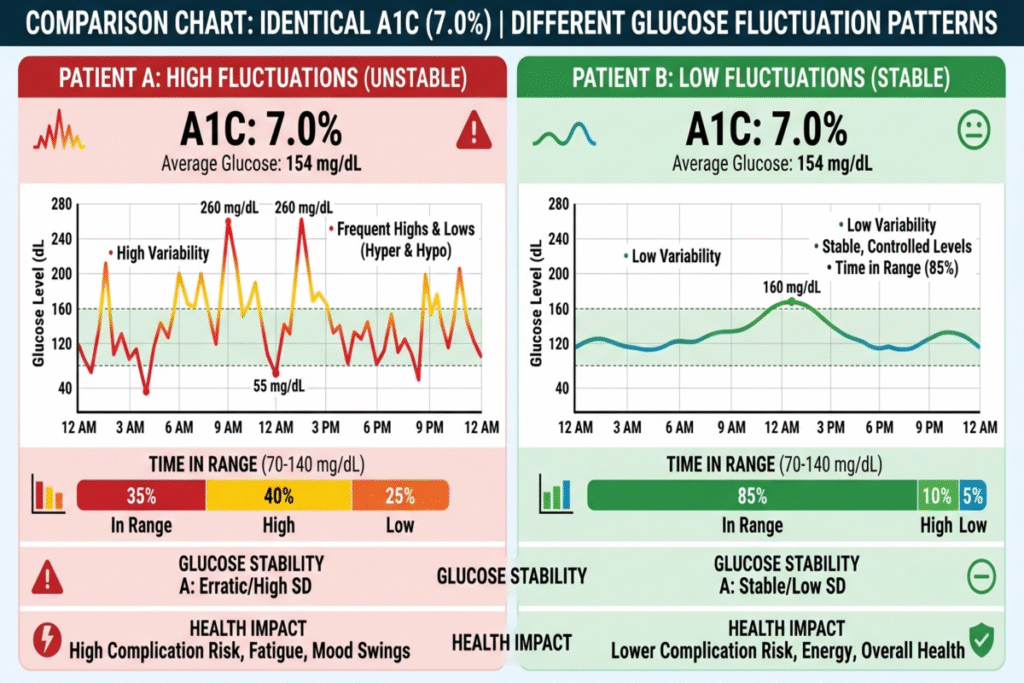
Imagine two people with the same average blood sugar level:
- Person A experiences small, steady fluctuations.
- Person B experiences repeated spikes and crashes.
Even though their average blood sugar appears identical, Person B’s body experiences significantly more metabolic stress.
Researchers now recognize that excessive glucose variability can contribute to oxidative stress, inflammation, fatigue, and insulin resistance over time.
Key Point
Blood sugar health is not just about how high your glucose gets—it’s also about how stable it remains.
Why Average Blood Sugar Doesn’t Tell the Whole Story
Most routine blood tests focus on:
- Fasting glucose
- Hemoglobin A1C
- Random glucose measurements
These markers provide useful information, but they don’t reveal how often blood sugar spikes after meals.
A person may have:
- Normal fasting glucose
- Normal A1C
- Frequent glucose spikes exceeding healthy ranges
This hidden instability often explains symptoms that many people attribute to stress, aging, or lack of sleep.
The Blood Sugar Rollercoaster Explained
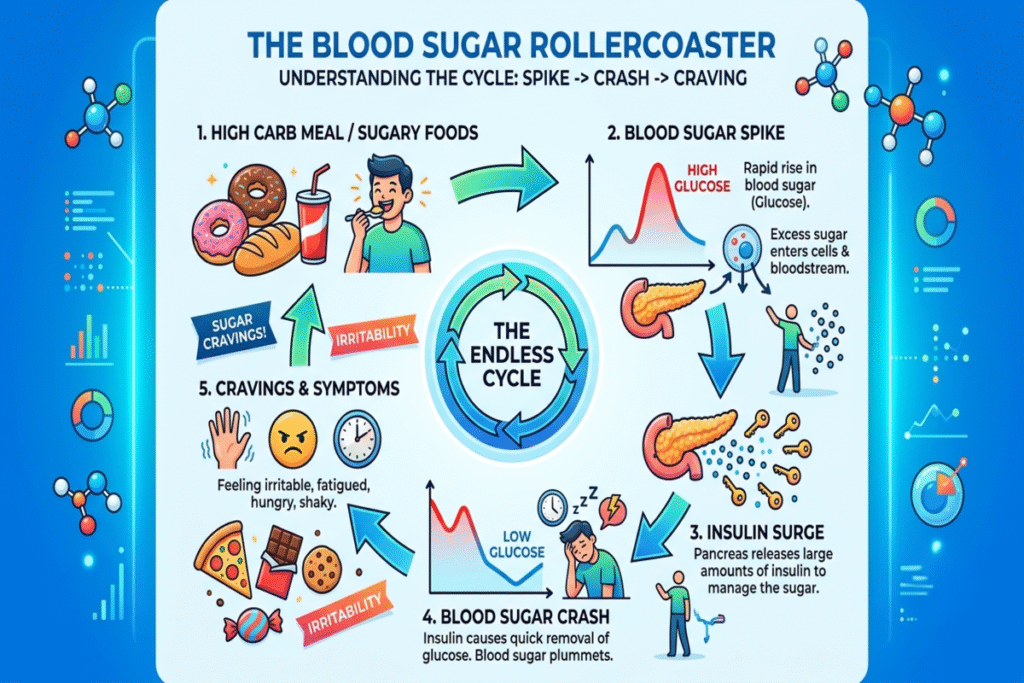
The typical cycle looks like this:
Step 1: Rapid Glucose Spike
A meal high in refined carbohydrates or sugar causes blood glucose to rise quickly.
Step 2: Large Insulin Response
The pancreas releases insulin to lower blood sugar.
Step 3: Blood Sugar Crash
Glucose levels drop rapidly, sometimes below optimal levels.
Step 4: Cravings and Fatigue
The brain signals hunger, often for more sugar or caffeine.
Step 5: Repeat Cycle
Another spike occurs, continuing the rollercoaster.
This cycle can happen multiple times daily without a person realizing it.
Signs Your Blood Sugar Is Less Stable Than You Think
Many symptoms associated with blood sugar instability are surprisingly common.
Common Warning Signs
- Afternoon energy crashes
- Intense sugar cravings
- Feeling hungry shortly after meals
- Brain fog
- Difficulty concentrating
- Irritability
- Mood swings
- Dependence on caffeine
- Poor workout recovery
- Waking up during the night
While these symptoms can have multiple causes, unstable glucose patterns are often an overlooked contributor.
Why Glycemic Variability Matters Beyond Diabetes
Blood sugar fluctuations affect nearly every major system in the body.
Brain Function
Frequent glucose swings can reduce mental clarity and concentration.
Metabolic Health
Repeated spikes may contribute to insulin resistance over time.
Energy Production
Cells function more efficiently when glucose delivery is steady.
Cardiovascular Health
Research suggests excessive variability may increase oxidative stress and vascular damage.
Sleep Quality
Blood sugar crashes during the night can trigger cortisol release and disrupt sleep.
| Body System | Potential Impact |
|---|---|
| Brain | Brain fog, poor focus |
| Metabolism | Fat storage, insulin resistance |
| Heart | Increased oxidative stress |
| Energy | Fatigue and crashes |
| Sleep | Nighttime awakenings |
Foods That Commonly Trigger Glucose Spikes
Some foods produce larger glucose responses than many people realize.
Common Culprits
- Sugary breakfast cereals
- White bread
- Bagels
- Pastries
- Sweetened coffee drinks
- Fruit juice
- Soda
- Candy
- Highly processed snack foods
Better Alternatives
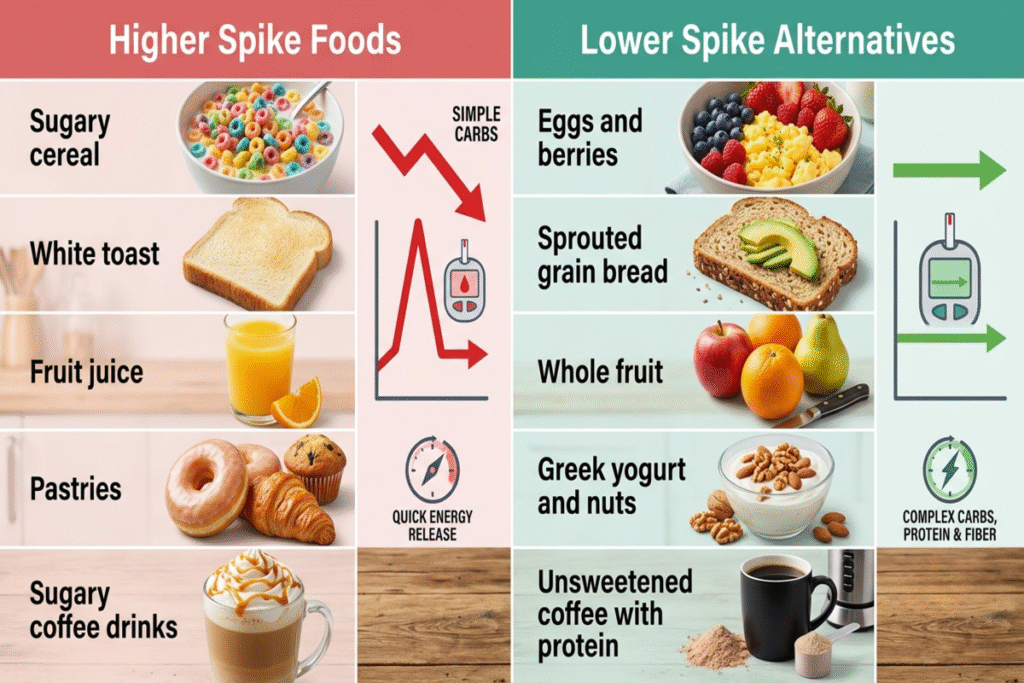
| Higher Spike Foods | Lower Spike Alternatives |
|---|---|
| Sugary cereal | Eggs and berries |
| White toast | Sprouted grain bread |
| Fruit juice | Whole fruit |
| Pastries | Greek yogurt and nuts |
| Sugary coffee drinks | Unsweetened coffee with protein |
How Exercise Improves Blood Sugar Stability
Physical activity is one of the most effective tools for reducing glycemic variability.
Muscles act as powerful glucose sinks, pulling sugar from the bloodstream and using it for energy.
Most Effective Strategies
Walking After Meals
A 10–15 minute walk after eating can significantly reduce post-meal glucose spikes.
Resistance Training
Strength training improves insulin sensitivity and increases muscle glucose uptake.
Consistent Daily Movement
Even light activity throughout the day supports healthier glucose regulation.
Science-Backed Ways to Reduce Glycemic Variability
1. Prioritize Protein at Meals
Protein slows digestion and reduces rapid glucose spikes.
2. Increase Fiber Intake
Fiber slows carbohydrate absorption and improves blood sugar stability.
3. Walk After Eating
Even brief movement can improve glucose control.
4. Strength Train Regularly
More muscle tissue improves glucose disposal.
5. Improve Sleep Quality
Poor sleep increases insulin resistance and glucose variability.
6. Manage Stress
Chronic stress elevates cortisol, which can raise blood sugar.
7. Reduce Ultra-Processed Foods
Whole foods generally create more stable glucose responses.
Benefits of Stable Blood Sugar
Improving glycemic variability can produce noticeable benefits within weeks.
Potential Benefits
- More consistent energy
- Reduced cravings
- Better focus and productivity
- Improved metabolic flexibility
- Easier weight management
- Better workout recovery
- Improved sleep quality
- Lower inflammation
- Enhanced insulin sensitivity
- Better long-term metabolic health
Expert Insights
“The quality of calories matters because it influences hormonal responses that regulate hunger, metabolism, and body weight.”
— Dr. David Ludwig, Harvard T.H. Chan School of Public Health
Researchers increasingly recognize that maintaining blood sugar stability is not simply a diabetes strategy—it is a foundational component of overall metabolic health.
Practical Blood Sugar Stability Checklist
Daily Habits
✅ Eat protein with every meal
✅ Include fiber-rich vegetables daily
✅ Walk for 10–15 minutes after meals
✅ Strength train 2–4 times weekly
✅ Limit sugary beverages
✅ Prioritize 7–9 hours of sleep
✅ Manage stress through mindfulness or exercise
✅ Stay hydrated
FAQs
1. What is glycemic variability?
Glycemic variability refers to fluctuations in blood glucose levels throughout the day rather than average blood sugar alone.
2. Can healthy people experience high glycemic variability?
Yes. Even individuals without diabetes can experience significant blood sugar swings.
3. Are glucose spikes harmful?
Occasional spikes are normal, but frequent large fluctuations may contribute to inflammation and metabolic dysfunction over time.
4. Should non-diabetics use continuous glucose monitors?
Some people find CGMs useful for understanding how foods, exercise, and sleep affect blood sugar, though they are not necessary for everyone.
5. Which foods cause the largest blood sugar spikes?
Sugary drinks, refined grains, pastries, and ultra-processed foods are among the most common triggers.
6. Does exercise reduce glycemic variability?
Yes. Walking, resistance training, and regular movement significantly improve blood sugar stability.
7. How quickly can blood sugar stability improve?
Many people notice improvements in energy and cravings within a few weeks of making dietary and lifestyle changes.
Authoritative Resources
- Harvard T.H. Chan School of Public Health – Nutrition Source
- National Institutes of Health (NIH)
- American Diabetes Association
Other Interesting Articles
- Circadian Nutrition: Aligning Meal Timing with Hormonal Rhythms
- Ultra-Processed Foods and the Dopamine Trap: Why We Can’t Stop Eating Them
Conclusion
Blood sugar health extends far beyond diabetes. Glycemic variability offers a powerful lens into how your body responds to food, stress, sleep, and movement throughout the day.
By focusing on blood sugar stability—not just blood sugar levels—you can support more consistent energy, improved focus, healthier metabolism, and better long-term health outcomes.
Small changes such as prioritizing protein, increasing fiber, walking after meals, and improving sleep can significantly reduce glucose fluctuations and help your body perform at its best.