
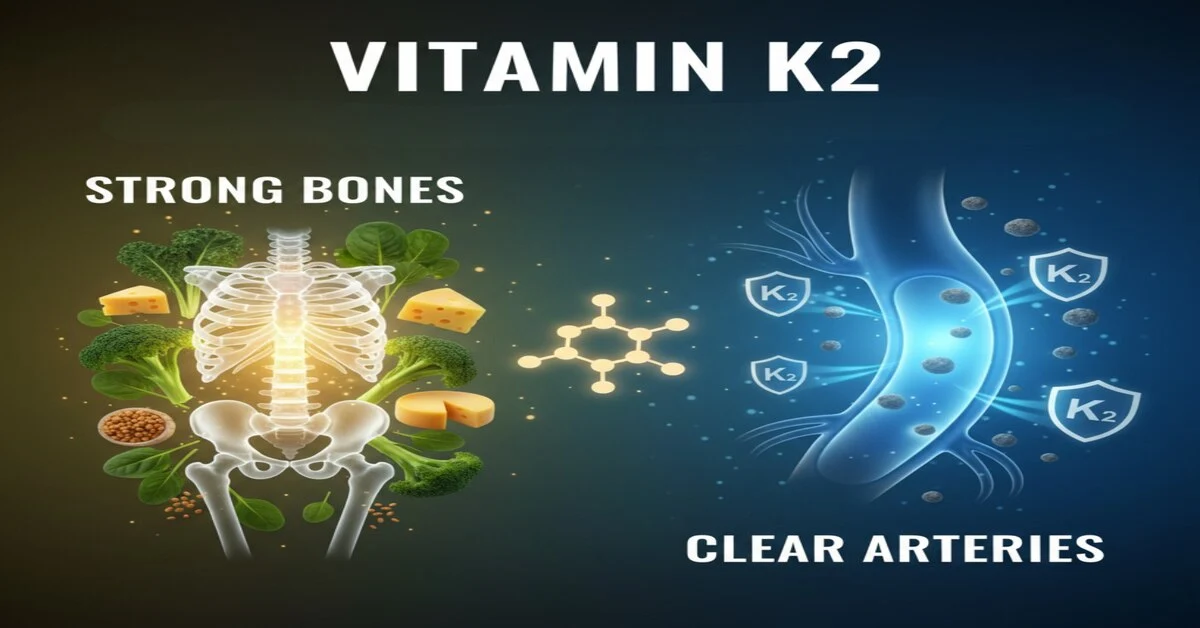
Introduction: The Forgotten Vitamin for Modern Health
In a world obsessed with calcium and vitamin D, one essential nutrient remains quietly overlooked — vitamin K2. Despite being vital for bone density, heart health, and longevity, it’s missing from most American diets. Research increasingly shows that vitamin K2 is the link between strong bones and a healthy cardiovascular system, yet awareness remains low.
In 2025, with rising concerns about osteoporosis and arterial calcification, K2 is finally gaining attention as the nutrient Americans didn’t know they were missing.
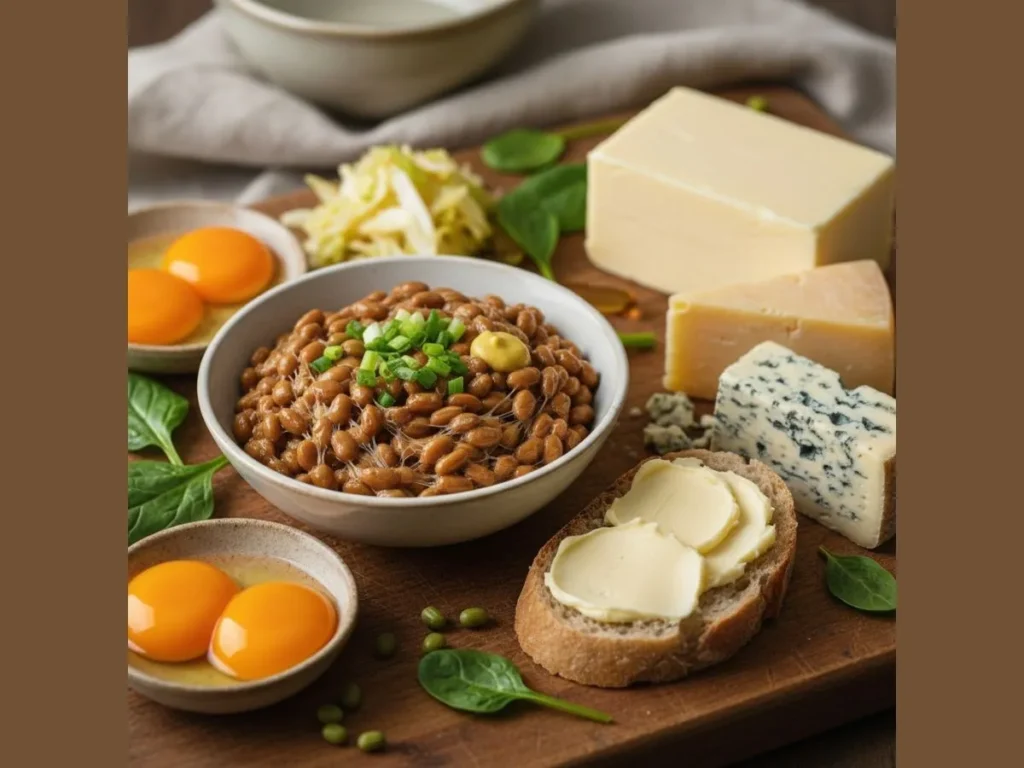
What Is Vitamin K2 & Why Americans Are Deficient
Vitamin K2 (menaquinone) is a fat-soluble vitamin responsible for directing calcium to where it belongs — bones and teeth — and keeping it out of arteries and soft tissues.
While K1 (phylloquinone) comes from leafy greens and supports blood clotting, K2 is found in animal-based and fermented foods that are less common in modern American diets.
Why Deficiency Is So Common in the US:
- Highly processed diets lacking fermented foods
- Overuse of antibiotics reducing gut K2 synthesis
- Low intake of grass-fed dairy and pastured meats
- Limited awareness among healthcare professionals
A 2024 NIH dietary survey revealed that over 80% of Americans consume less than the optimal amount of vitamin K2 needed for bone and cardiovascular support.

Vitamin K2 vs K1: The Critical Difference
| Feature | Vitamin K1 (Phylloquinone) | Vitamin K2 (Menaquinone) |
|---|---|---|
| Source | Leafy greens (spinach, kale) | Animal & fermented foods (cheese, natto, egg yolk) |
| Primary Role | Blood clotting | Calcium regulation, bone & heart health |
| Bioavailability | Low | High, especially MK-7 form |
| Half-life in body | Short | Longer (up to 72 hours) |
| Main Challenge | Easily obtained | Largely missing from modern diets |
How Vitamin K2 Impacts Bone Strength & Arterial Health
Vitamin K2 activates two critical proteins:
- Osteocalcin, which binds calcium to bones.
- Matrix GLA protein (MGP), which prevents calcium from hardening arteries.
Without sufficient K2, calcium supplements can do more harm than good—ending up in arteries instead of bones.
Evidence from Research:
- A Rotterdam Study found that people with higher K2 intake had 50% lower arterial calcification and 25% lower all-cause mortality.
- Postmenopausal women taking K2 supplements showed significant improvements in bone mineral density within 12 months.
Best Natural Food Sources of Vitamin K2
| Food | Serving Size | K2 Content (mcg) |
|---|---|---|
| Natto (fermented soy) | 1 tbsp | 1000+ |
| Gouda/Cheddar Cheese | 1 oz | 75–80 |
| Egg Yolk (pastured) | 1 large | 30–40 |
| Grass-Fed Butter | 1 tbsp | 15–20 |
| Chicken Thigh (dark meat) | 3 oz | 15 |
| Sauerkraut | ½ cup | 5–10 |
How Much K2 Do You Need Daily?
While there’s no official RDA for vitamin K2, most experts suggest:
- 120–200 mcg/day for adults seeking bone and heart support
- Higher amounts may benefit those taking calcium or vitamin D supplements
Expert Quote:
“Vitamin K2 is the missing link between calcium and bone strength — it ensures calcium ends up in the right places,” says Dr. Susan Reynolds, Functional Nutrition Specialist, New York.
Vitamin K2 + D3 + Magnesium: The Synergistic Trio
These nutrients work in harmony:
- Vitamin D3 increases calcium absorption.
- Vitamin K2 directs calcium to bones.
- Magnesium activates both D3 and K2 enzymes.
This trio forms the “calcium utilization network”, crucial for bone density, heart rhythm, and metabolic function.
Common Myths About Vitamin K2
| Myth | Reality |
|---|---|
| “Vitamin K1 and K2 are the same.” | They play distinct biological roles. |
| “K2 is only for bone health.” | It also protects arteries and supports brain and skin health. |
| “You can get enough K2 from greens.” | Leafy greens contain K1, not K2. |
| “Calcium supplements are enough for bones.” | Without K2, calcium may deposit in arteries. |
Who Should Be Careful With K2?
People on blood-thinning medications (like Warfarin) should consult a doctor before supplementing, as K2 can affect clotting regulation.
Pregnant and breastfeeding women can usually obtain sufficient K2 from natural food sources.
Checklist: How to Optimize Your K2 Intake Naturally
- ✅ Add fermented foods like natto or sauerkraut weekly
- ✅ Choose grass-fed dairy and eggs
- ✅ Pair with vitamin D3 and magnesium
- ✅ Reduce ultra-processed foods
- ✅ Discuss with a doctor before supplementing if on medication
Frequently Asked Questions (FAQ)
Q1: Can I take vitamin K2 and D3 together?
Yes, they work synergistically for calcium balance and bone strength.
Q2: Is K2 supplement safe for long-term use?
Most studies show no adverse effects even with daily use up to 300 mcg.
Q3: What’s better — MK-4 or MK-7?
MK-7 (from natto) has a longer half-life, making it more effective for sustained benefits.
Authoritative Resources
- National Institutes of Health – Vitamin K Fact Sheet
- American Heart Association – Calcium & Heart Health
- Harvard School of Public Health – Micronutrient Guide
Other Interesting Articles on Fitoast
- Hormetic Stress: Using Cold, Heat, and Fasting to Build Cellular Resilience
- Measles Resurgence in the U.S.: What You Must Know & How to Stay Safe
Conclusion & Call-to-Action
Vitamin K2 might just be the missing puzzle piece of modern nutrition — silently determining whether calcium strengthens your skeleton or clogs your arteries. For Americans striving for longevity, focusing on whole-food K2 sources and pairing them with vitamin D3 and magnesium is a simple yet powerful health upgrade.
Next Step:
Start by adding fermented foods and grass-fed dairy to your meals, and discuss K2 testing or supplementation with your healthcare provider. Protect your bones, clear your arteries, and fortify your long-term wellness — one nutrient at a time.
Fantastic Knowledge Given