
Introduction
Even though typhoid fever isn’t common in the United States, thousands of Americans contract it each year—mostly after international travel. With global travel increasing again and new vaccine developments emerging, understanding the typhoid vaccine has never been more important.
This guide covers everything U.S. residents should know: how the vaccine works, who needs it, where to get it, and what’s new in 2025 research. Whether you’re planning an overseas trip or simply want to stay informed about global health protection, this article provides a complete, fact-based overview without unnecessary jargon.
What Is Typhoid and Why It Matters
Typhoid fever is a serious bacterial infection caused by Salmonella enterica serotype Typhi. It spreads through contaminated food or water and can cause high fever, fatigue, stomach pain, headache, and loss of appetite.
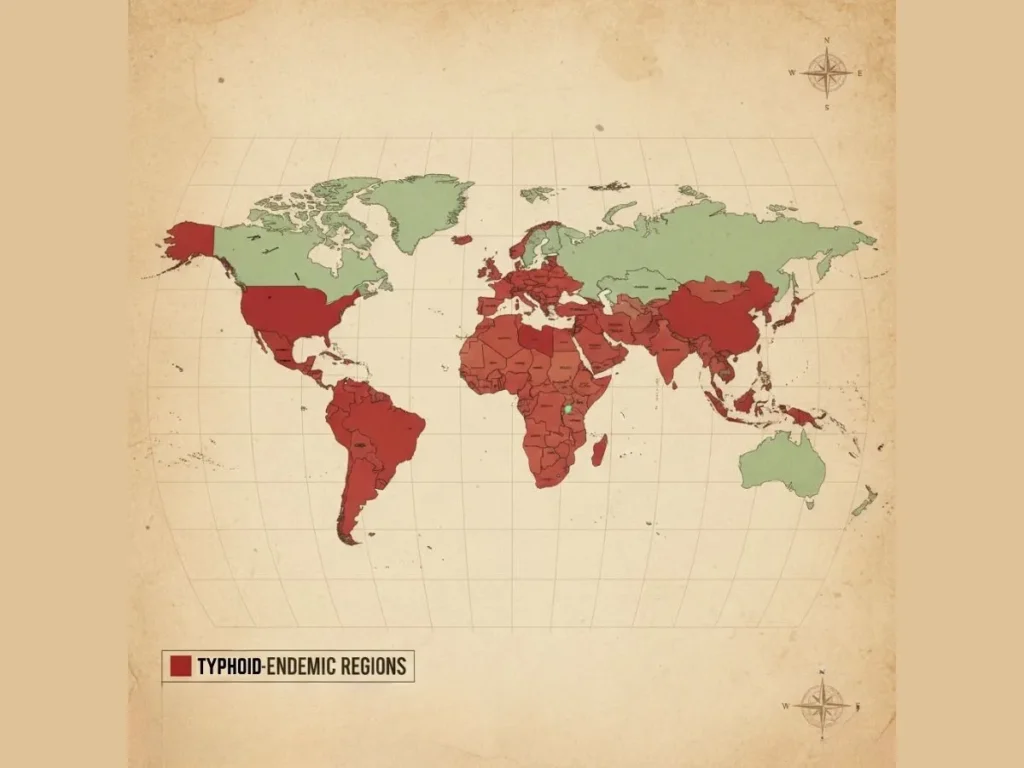
While sanitation has reduced domestic transmission in the U.S., about 5,000–6,000 Americans each year are diagnosed after visiting countries where typhoid remains endemic—particularly India, Pakistan, Bangladesh, parts of Africa, and Latin America.
Without treatment, typhoid can be fatal in 10–20% of cases. Prevention through vaccination and hygiene remains the best defense.
Types of Typhoid Vaccines
Today, there are three main typhoid vaccines, each working differently and suited to specific needs.
| Vaccine Type | Example | How It’s Given | Age Group | Protection Duration |
|---|---|---|---|---|
| Polysaccharide (ViCPS) | Typhim Vi® | Single injection | 2 years+ | ~2 years (needs booster) |
| Live Oral (Ty21a) | Vivotif® | 4 capsules, every other day | 6 years+ | ~5 years (needs booster) |
| Conjugate Vaccine (TCV) | Typbar TCV® / SKYTyphoid™ | Single injection | 6 months+ | 4–5 years (longer protection) |
The New Standard: Conjugate Typhoid Vaccines (TCV)
Recent studies show TCVs offer longer-lasting immunity, even for infants as young as six months. In 2024, The Lancet published data showing 78% protection lasting at least four years after one dose of Typbar TCV.
The World Health Organization (WHO) has also prequalified newer conjugate vaccines, such as SKYTyphoid™, making them widely accessible in 2025. These vaccines are considered the gold standard for most travelers and children.
Who Should Get the Typhoid Vaccine in the U.S.
According to the CDC’s travel health guidelines, the vaccine is recommended for:
- International Travelers: Anyone visiting or staying in countries where typhoid is common.
- Children Visiting Family Abroad: Kids visiting endemic regions should be vaccinated well before travel.
- Healthcare & Lab Workers: People exposed to Salmonella Typhi in laboratories.
- Humanitarian Workers: Aid workers or military personnel deployed to high-risk areas.

Even if you’re careful with food and water, you can still be exposed in ways you can’t control—like contaminated ice, raw produce, or street food.
When and How to Get Vaccinated
Timing is key. The vaccine should be given at least 2–3 weeks before travel to allow immunity to develop.
| Vaccine Type | Schedule |
|---|---|
| ViCPS (injection) | One dose, 2 weeks before travel |
| Ty21a (oral) | Four capsules taken over 7 days, completed 1 week before travel |
| TCV (conjugate) | Single dose, protection develops in about 2 weeks |
You can get vaccinated at:
- Travel health clinics (often within pharmacies like CVS or Walgreens)
- County health departments
- Primary care or pediatric offices (by request)
Efficacy and Duration of Protection
Studies show TCVs maintain high efficacy for at least 4 years, compared to 2 years for older polysaccharide versions.
- Typbar TCV: 78% efficacy in children (Lancet, 2024)
- ViCPS: ~65% efficacy, shorter duration
- Ty21a: 50–70% efficacy, depends on adherence to capsule schedule
Immunity may wane over time, so booster shots every 3–5 years are recommended for those who continue traveling to high-risk areas.
Side Effects and Safety
Typhoid vaccines are considered very safe. Side effects, when they occur, are typically mild and short-lived.
Common side effects include:
- Soreness or redness at the injection site
- Low-grade fever
- Headache or fatigue
Severe allergic reactions are extremely rare. The conjugate vaccines (TCV) have undergone large safety trials with no significant adverse effects reported.
If you have an existing illness or immune condition, consult your doctor before vaccination.
Typhoid Vaccine Cost and Availability in the U.S.
Most travel clinics and pharmacies offer typhoid vaccines. Prices can vary depending on the vaccine type and provider:
| Vaccine Type | Average Cost (USD) | Insurance Coverage |
|---|---|---|
| ViCPS (Typhim Vi) | $100–$150 | Often not covered (travel-related) |
| Ty21a (Vivotif) | $80–$120 | Sometimes covered |
| TCV (Typbar TCV / SKYTyphoid) | $130–$180 | Coverage depends on plan |
You can check with your insurance provider or travel clinic about reimbursement options.

Common Myths and Misconceptions
| Myth | Fact |
|---|---|
| “I don’t need the vaccine; I’ll just eat clean.” | Typhoid bacteria can contaminate food or water even in high-end restaurants. |
| “One shot protects me for life.” | Immunity fades—boosters are necessary for continued protection. |
| “Only children need the vaccine.” | Adults traveling to endemic areas are equally at risk. |
| “The vaccine causes typhoid.” | Vaccines use inactivated or non-infectious components; they cannot cause typhoid. |
The Future of Typhoid Vaccination
Recent advances suggest a new era in typhoid prevention:
- Combination vaccines (e.g., Typhoid + Paratyphoid) are under development.
- Adjuvanted vaccines like Typhax show promise for stronger, longer immunity.
- WHO is working with manufacturers to increase global vaccine access, helping prevent antibiotic-resistant strains from spreading internationally.
These innovations could help make typhoid prevention simpler and more cost-effective worldwide.
Frequently Asked Questions (FAQ)
1. How long before travel should I get the vaccine?
At least 2 weeks before departure to ensure immunity develops.
2. Can children under 2 get the vaccine?
Yes—TCV vaccines can be given from 6 months of age.
3. Is the vaccine safe during pregnancy?
The ViCPS injection is considered safe; oral Ty21a is not recommended.
4. Do I still need to be careful with food and water?
Yes. No vaccine provides 100% protection. Hygiene and safe food practices remain essential.
5. Where can I find a travel clinic?
Use the CDC’s Traveler’s Health locator or major pharmacy travel service websites.
Actionable Checklist Before Travel
- Consult your doctor or travel clinic at least 4 weeks before travel.
- Check which vaccine type is recommended for your region.
- Get vaccinated at least 2 weeks prior to departure.
- Carry vaccination proof if required for travel.
- Continue practicing safe eating and drinking habits abroad.
Trusted Resources
- CDC – Typhoid Vaccination Guidelines
- World Health Organization – Typhoid Vaccine Position Paper
- The Lancet – Typhoid Vaccine Efficacy Study
- Travel Clinics Directory – U.S. Locations
Conclusion
The typhoid vaccine remains one of the most important and underappreciated tools for American travelers and families. With new, longer-lasting conjugate vaccines and expanding access across U.S. clinics, staying protected is easier than ever.
If you’re planning international travel or have family abroad, schedule your typhoid vaccination early. A small precaution today can prevent a life-threatening illness tomorrow.