
The thyroid is the metabolic thermostat of your body — quietly controlling how much energy you burn, how sharp your focus is, and how balanced your hormones feel.
But here’s what’s alarming: millions of Americans are living with sluggish thyroids that don’t show up on routine lab tests.
This condition, called subclinical hypothyroidism, represents the “gray zone” of thyroid health — a state where your thyroid is underperforming, but not enough to trigger a full-blown medical diagnosis.
In 2025, this underdiagnosed condition has become a silent epidemic — often misinterpreted as fatigue, brain fog, or stress.
What Is Subclinical Hypothyroidism?
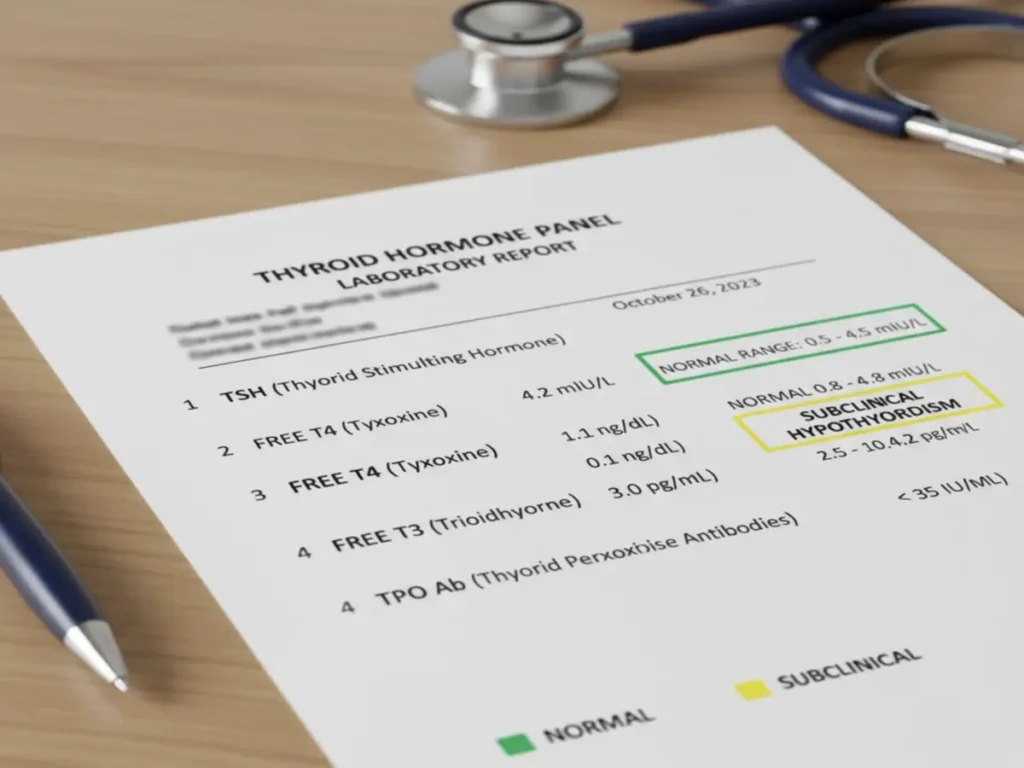
Subclinical hypothyroidism occurs when your thyroid-stimulating hormone (TSH) levels are slightly elevated, but your T3 and T4 thyroid hormones remain within the “normal” laboratory range.
It means your brain is asking your thyroid to work harder, yet your metabolism hasn’t fully crashed — not yet.
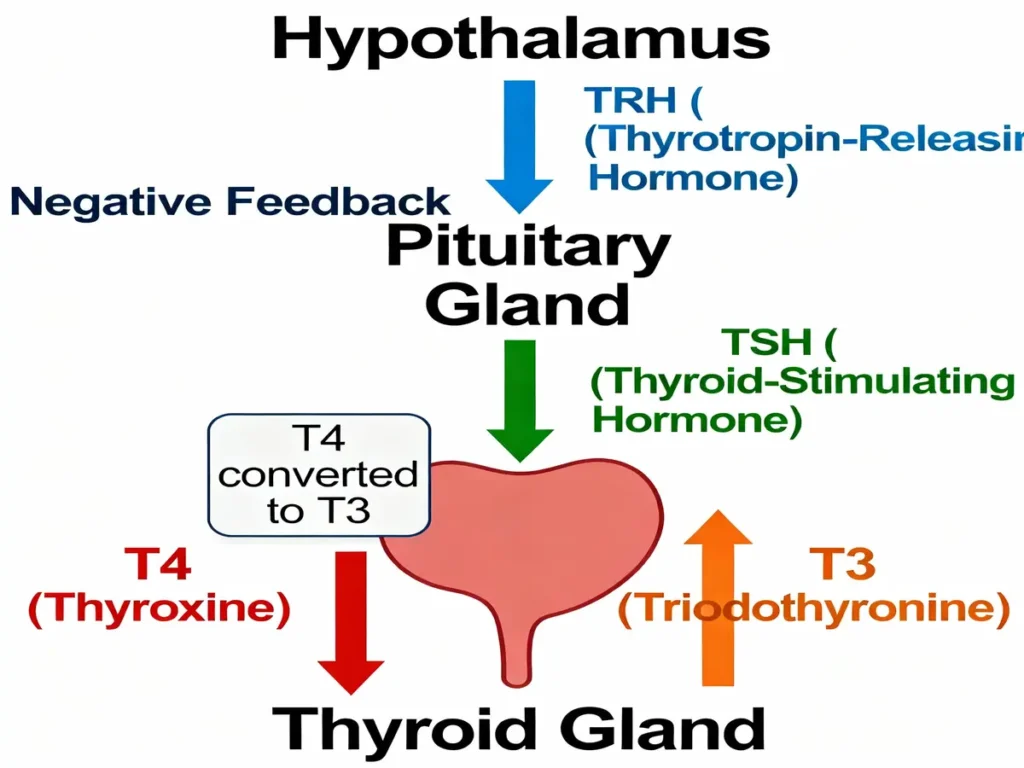
| Marker | Normal Range | Subclinical Range | Implication |
|---|---|---|---|
| TSH | 0.5–2.5 mIU/L | 2.5–4.5 mIU/L | Thyroid struggling to keep up |
| Free T4 | Normal | Normal | Adequate production |
| Free T3 | Normal or low | Often low-normal | Reduced conversion efficiency |
Why It Often Goes Undiagnosed
Most doctors rely on TSH alone to diagnose thyroid disorders. Unfortunately, this single test misses the nuances of thyroid function.
- The reference range is too broad: A “normal” TSH of 4.0 may still signal sluggish thyroid activity for some individuals.
- No evaluation of Free T3: The active hormone (T3) drives metabolism and energy — but is rarely tested.
- No consideration of symptoms: Lab numbers may look “fine,” but fatigue, weight gain, and brain fog tell a different story.
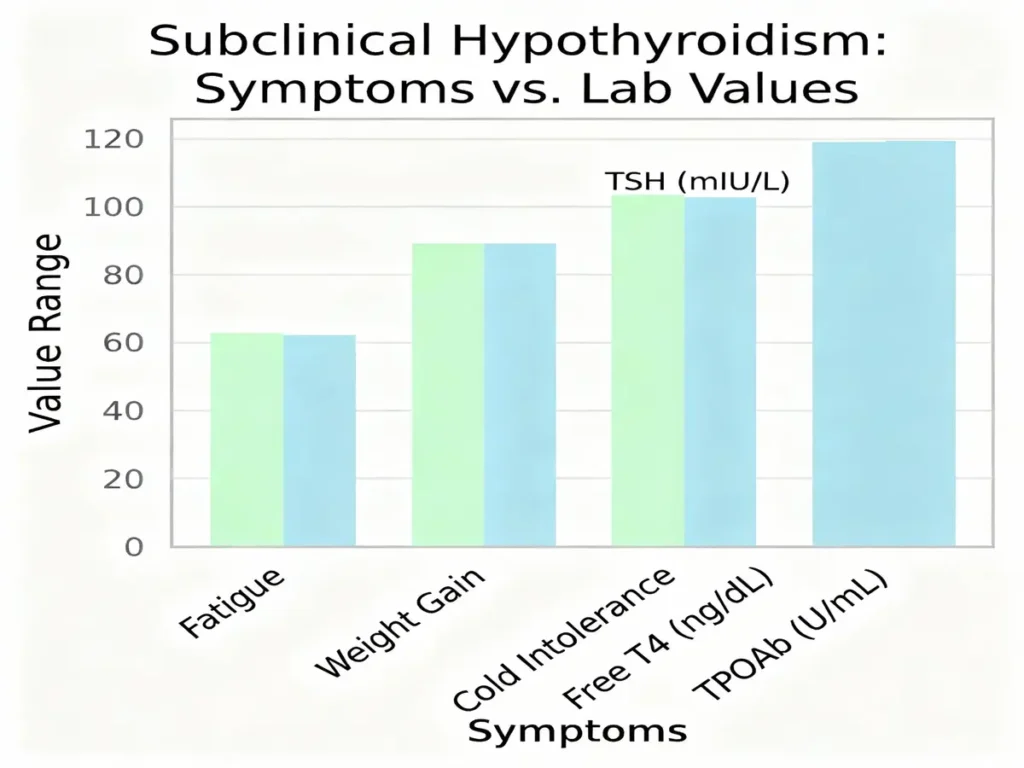
Common Symptoms of Subclinical Hypothyroidism
Even mild thyroid underactivity can slow down every system in your body.
Most commonly reported symptoms include:
- Constant fatigue despite enough sleep
- Cold hands and feet
- Hair thinning or dry, brittle hair
- Unexplained weight gain or difficulty losing fat
- Brain fog and poor memory
- Irregular or heavy menstrual cycles
- Low mood or anxiety
- Slow digestion and bloating
These subtle changes are often dismissed as “normal aging” or stress — but they may actually be your body’s cry for thyroid support.
Root Causes Behind Subclinical Hypothyroidism
Thyroid underload doesn’t appear overnight. It often stems from a combination of nutrient deficiencies, immune imbalances, and environmental stressors that gradually weaken thyroid efficiency.
| Root Cause | Description | Example |
|---|---|---|
| Iodine & Selenium Deficiency | Essential minerals for thyroid hormone production and conversion | Low seafood, soil-depleted crops |
| Autoimmunity (Hashimoto’s) | Immune attack on thyroid tissue | Triggered by gluten, stress, infections |
| Chronic Stress | Elevated cortisol suppresses T3 conversion | Overwork, poor sleep |
| Environmental Toxins | Fluoride, BPA, pesticides disrupt thyroid enzymes | Tap water, plastics |
| Nutrient Gaps | Low zinc, iron, or vitamin D reduce hormone activation | Processed diet or anemia |
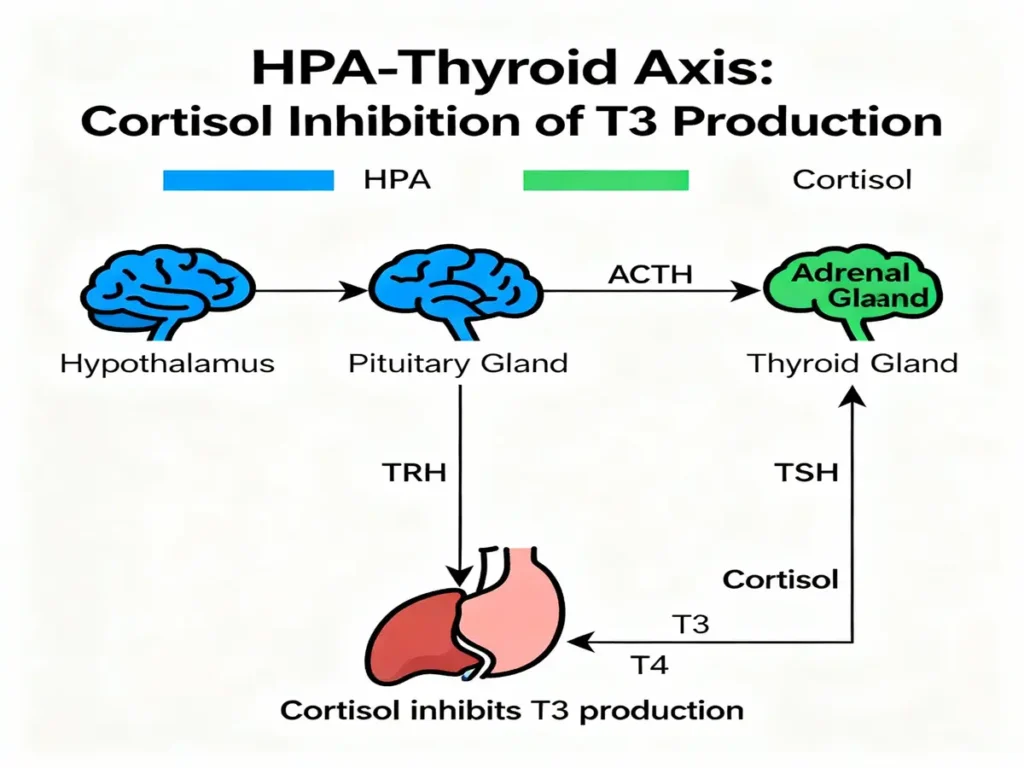
How Stress and Cortisol Suppress Thyroid Function
Chronic stress increases cortisol, which interferes with the conversion of T4 to T3 — your body’s usable thyroid hormone.
The result? Your blood tests might look “normal,” but your cells are starved for thyroid energy.
Over time, this hormonal imbalance can affect everything from blood sugar regulation to reproductive health.
The Role of Gut Health in Thyroid Conversion
Nearly 20% of T4-to-T3 conversion happens in the gut.
If your microbiome is inflamed or imbalanced, your thyroid activation suffers.
Improving gut diversity and fiber intake can directly enhance thyroid performance.
Tips to support thyroid-gut synergy:
- Add prebiotics (onions, garlic, asparagus).
- Use probiotics with Lactobacillus and Bifidobacterium strains.
- Reduce refined sugar and alcohol.
- Address leaky gut and inflammation.
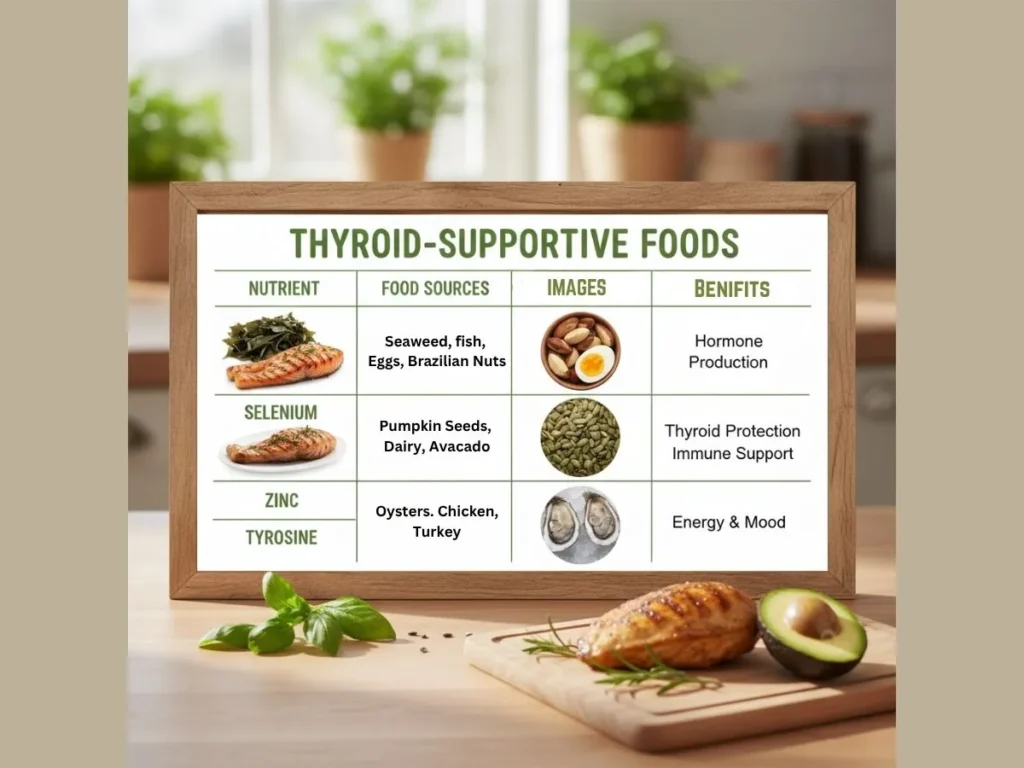
Key Nutrients for Thyroid Optimization
| Nutrient | Function | Food Sources |
|---|---|---|
| Iodine | Builds thyroid hormones | Seaweed, iodized salt, eggs |
| Selenium | Converts T4 to T3 | Brazil nuts, tuna, turkey |
| Zinc | Supports T3 receptor sensitivity | Pumpkin seeds, beef, oysters |
| Iron | Necessary for thyroid enzyme activity | Grass-fed beef, spinach |
| Vitamin D | Regulates thyroid autoimmunity | Sunlight, salmon |
| Magnesium | Assists T4 conversion | Nuts, avocados, leafy greens |
Testing Beyond TSH
If you suspect subclinical hypothyroidism, request a comprehensive thyroid panel that includes:
- TSH
- Free T4 and Free T3
- Reverse T3 (indicates blocked conversion)
- Thyroid antibodies (TPOAb, TgAb)
- Vitamin D and ferritin
Lifestyle Strategies to Rebalance a Sluggish Thyroid
| Strategy | Benefit | Practical Example |
|---|---|---|
| Prioritize sleep | Reduces cortisol, supports hormone conversion | 7–9 hours of consistent rest |
| Eat protein at every meal | Provides tyrosine, a thyroid hormone precursor | Eggs, fish, legumes |
| Use adaptogens | Balance cortisol and thyroid interaction | Ashwagandha, Rhodiola |
| Support liver detox | Improves T4-to-T3 conversion | Cruciferous vegetables, hydration |
| Exercise moderately | Stimulates metabolism without over-stressing adrenals | Brisk walking, yoga |
Expert Quote
“Subclinical hypothyroidism is often missed because medicine chases lab numbers, not energy levels. Listening to symptoms is the first step to real thyroid healing.”
— Dr. Alan Christianson, NMD, Integrative Endocrinologist
Authoritative Resources
- American Thyroid Association – Subclinical Hypothyroidism Guidelines
- National Institute of Diabetes and Digestive and Kidney Diseases (NIDDK) – Hypothyroidism (Underactive Thyroid)
- Harvard Health – When to Treat Mild Thyroid Problems
Other Interesting Article
FAQs: Subclinical Hypothyroidism
Q1. Can subclinical hypothyroidism reverse naturally?
Yes. By addressing nutrient deficiencies, stress, and gut health, many people normalize thyroid function without medication.
Q2. When should treatment begin?
If TSH consistently stays above 4.0 mIU/L with symptoms, or antibodies are positive, functional intervention is recommended.
Q3. Is levothyroxine necessary for mild cases?
Not always. Nutrition, selenium, and stress management often restore normal function before medication is needed.
Q4. Does caffeine affect thyroid hormones?
Yes — excess caffeine may reduce thyroid hormone absorption and worsen cortisol imbalance.
Q5. Can intermittent fasting harm thyroid health?
Prolonged fasting can suppress T3 conversion, especially in women. Moderate fasting windows (12–14 hours) are generally safer.
Conclusion
Subclinical hypothyroidism is the silent metabolic drag behind countless cases of low energy, stubborn fat, and brain fog.
It’s not just about fixing your thyroid — it’s about restoring cellular energy flow.
By supporting your nutrients, gut, liver, and stress response, you can give your thyroid the oxygen it needs to thrive.
Don’t settle for “normal” labs — strive for optimal function.