

In today’s modern lifestyle, testosterone decline is no longer an issue limited to aging men — it’s affecting younger adults at an alarming rate.
From constant screen time to hidden toxins in everyday products, small, seemingly harmless habits are silently lowering your hormone balance.
This is what experts call the “Testosterone Sink” — a slow, cumulative drain on male hormone health caused by modern living.
Let’s uncover what’s really behind this hormonal collapse — and how you can rebuild your testosterone naturally.
What Is the Testosterone Sink?
The Testosterone Sink refers to the subtle, daily behaviors and environmental exposures that reduce testosterone production and disrupt hormone signaling.
These aren’t medical conditions — they’re modern habits that erode your biological foundation.
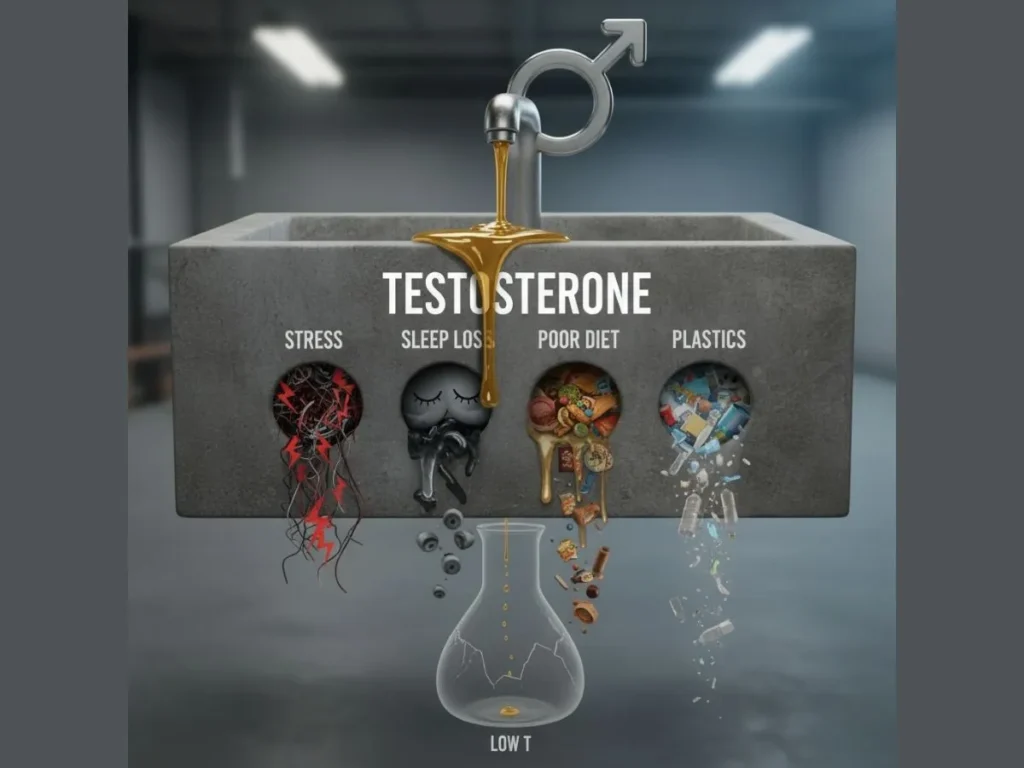
According to the U.S. National Library of Medicine (2024), average testosterone levels in American men have dropped 20–25% over the past two decades, independent of age.
1. Chronic Sleep Deprivation
Sleep is when testosterone production peaks — particularly during REM cycles.
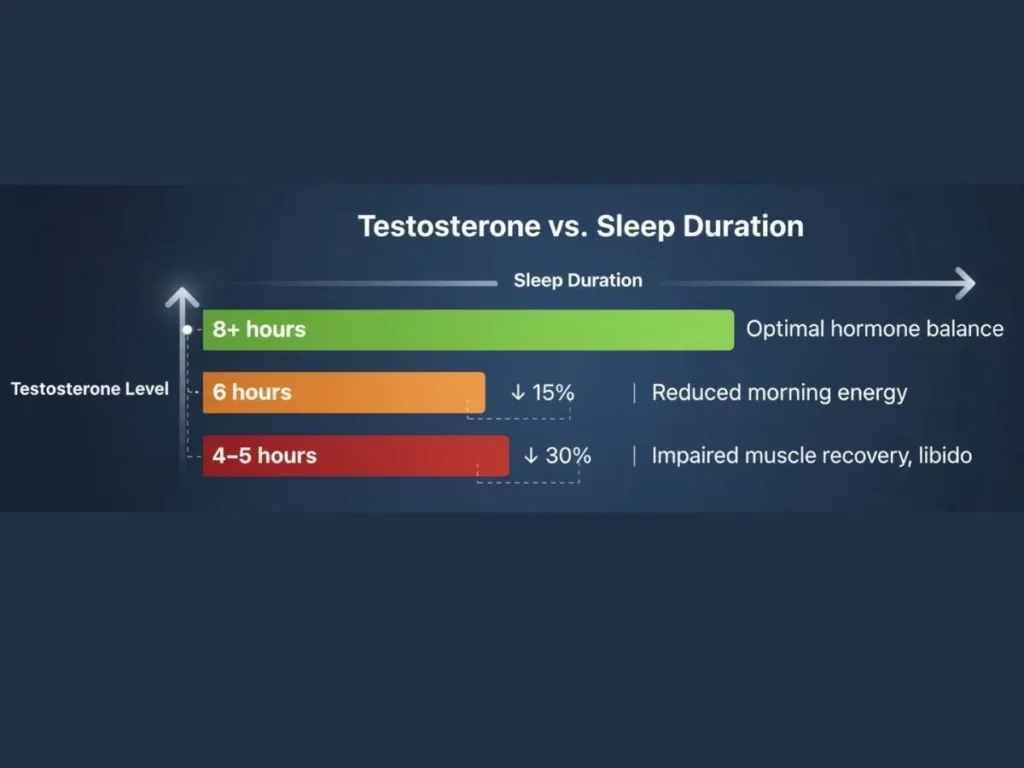
Losing even one night of quality sleep can reduce testosterone levels by up to 10–15%, according to the University of Chicago Sleep Research Center.
| Hours of Sleep | Testosterone Change | Effect |
|---|---|---|
| 8+ hours | Normal | Optimal hormone balance |
| 6 hours | ↓ 15% | Reduced morning energy |
| 4–5 hours | ↓ 30% | Impaired muscle recovery, libido |
2. Excess Screen Time and Blue Light Exposure
Blue light from screens suppresses melatonin, which interferes with REM sleep — directly disrupting testosterone synthesis.
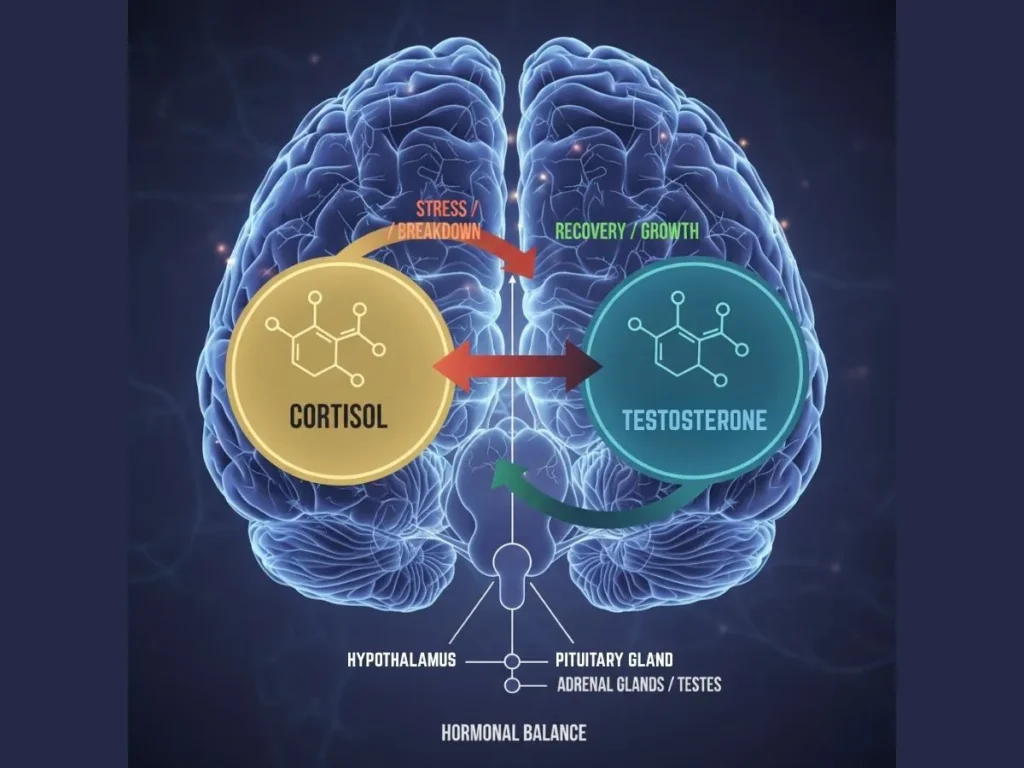
Evening exposure also spikes cortisol, the stress hormone that counteracts testosterone’s effects.
“Cortisol and testosterone are like a seesaw — when one rises, the other falls.”
— Dr. Andrew Huberman, Stanford University Neurobiologist
3. Hidden Endocrine Disruptors (EDCs)
Common household plastics, grooming products, and cleaning agents contain xenoestrogens — chemicals that mimic estrogen and reduce testosterone receptor activity.
| Source | Common Chemicals | Effect on Hormones |
|---|---|---|
| Plastic bottles | BPA, BPS | Mimic estrogen, lower T |
| Grooming products | Parabens, phthalates | Suppress androgen receptors |
| Food packaging | PFAS | Disrupt testicular signaling |
Action Step: Switch to glass containers, fragrance-free personal care, and stainless steel bottles.
4. Sedentary Lifestyle
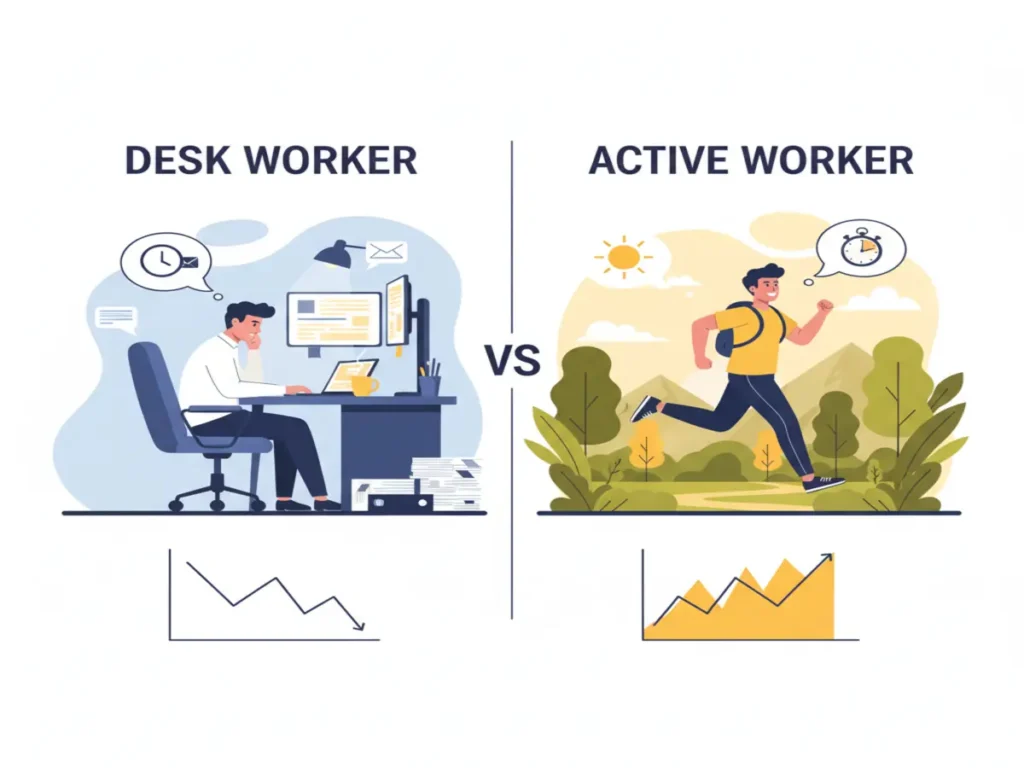
Modern office work leads to prolonged sitting, which decreases circulation to the testes and reduces LH (luteinizing hormone) signaling — a key testosterone trigger.
Regular strength training and short activity bursts every hour can raise testosterone by up to 25% within 6 weeks (Journal of Strength and Conditioning Research, 2023).
5. Low-Fat Diets and Nutrient Deficiency
Dietary fats are the raw materials for testosterone synthesis — especially cholesterol and omega-3 fatty acids.
Men on low-fat or vegan diets often see reduced testosterone levels due to insufficient zinc, magnesium, and vitamin D.
| Nutrient | Role | Food Source |
|---|---|---|
| Zinc | Testosterone synthesis | Oysters, pumpkin seeds |
| Magnesium | LH production | Spinach, almonds |
| Vitamin D | Hormone precursor | Sunlight, salmon |
| Healthy fats | Cholesterol base | Eggs, olive oil, avocado |
“Testosterone is built from dietary cholesterol — not fear of it.”
— Dr. Eric Serrano, Functional Endocrinologist
6. Chronic Stress and Elevated Cortisol
Long-term stress keeps cortisol high, which blocks testosterone release and reduces its anabolic effects.
This imbalance affects muscle gain, mood, libido, and recovery.
Fix: Incorporate stress-resilience habits like deep breathing, walking outdoors, and mindful digital breaks — they naturally lower cortisol within minutes.
7. Alcohol and Processed Foods
Alcohol interferes with Leydig cell function in the testes, lowering natural testosterone synthesis.
Add to that the modern American diet high in ultra-processed foods, and you have a metabolic storm that amplifies insulin resistance and suppresses hormones.
Key fact:
Men consuming high-sugar diets have 25% lower testosterone on average (Endocrine Reviews, 2024).
8. Environmental Estrogens from Water and Food
Trace estrogens from livestock hormones, plastics, and contaminated water act as silent hormone disruptors.
Even small, consistent exposures compound over time — creating an estrogen-dominant environment.
Solution:
Use a reverse osmosis filter and buy grass-fed or organic animal products whenever possible.
9. Overtraining and Caloric Restriction
Excessive endurance training or prolonged fasting can reduce testosterone by increasing SHBG (sex hormone-binding globulin), which binds free testosterone.
Balance is key — recovery days are as crucial as workouts.
10. Constant Dopamine Stimulation
Digital overstimulation — scrolling, gaming, porn — overactivates the dopamine reward system, desensitizing the brain’s motivation circuitry and lowering testosterone output.
Action Step: Implement dopamine detox hours — avoid digital input 1 hour after waking and before sleep.
This simple habit can recalibrate your hormonal rhythm within days.
Science Snapshot: Average U.S. Male Testosterone
| Year | Average U.S. Male Testosterone (ng/dL) | Decline % |
|---|---|---|
| 2000 | 605 | — |
| 2010 | 545 | -10% |
| 2020 | 482 | -20% |
| 2025 | 460 (projected) | -24% |
Checklist: Testosterone-Boosting Daily Routine
| Time | Action | Benefit |
|---|---|---|
| Morning | Sunlight + hydration | Vitamin D activation |
| Mid-day | Resistance training | Boosts LH + T |
| Afternoon | High-protein meal with healthy fats | Sustains hormone synthesis |
| Evening | Blue light off 2 hours before bed | Improves sleep-based testosterone |
| Night | 7–9 hours deep sleep | Peak hormone restoration |
Expert Quote
“Your hormones respond to your lifestyle more than your age. The Testosterone Sink isn’t inevitable — it’s reversible.”
— Dr. Kyle Gillett, MD, Men’s Health Hormone Specialist
Authoritative Resources
- Endocrine Society – Male Hormone Research & Updates
- NIH – Testosterone and Aging Study (2024)
- Harvard Health – Natural Testosterone Optimization
Other Interesting Article by Fitoast
The Polyphenol Paradox: Why Plant Compounds Work Better in Whole Foods
FAQ’s
Q1. Can testosterone levels recover naturally?
Yes — through sleep, nutrition, exercise, and removing endocrine disruptors, most men can see significant recovery in 3–6 months.
Q2. Do testosterone boosters work?
Most commercial boosters are ineffective; focus on real nutrients like zinc, magnesium, and vitamin D.
Q3. How much does stress affect testosterone?
Even short bursts of stress elevate cortisol and suppress testosterone temporarily. Chronic stress is far more damaging.
Q4. What’s the ideal testosterone range?
Healthy adult males should aim for 600–900 ng/dL with optimal free testosterone ratios.
Q5. Is low testosterone only a men’s issue?
No — women also need healthy testosterone for energy, metabolism, and libido, though in smaller amounts.
Conclusion
Testosterone decline isn’t just an age-related issue — it’s a lifestyle epidemic.
Everyday habits like poor sleep, stress, and processed food exposure quietly drain your hormones, leaving you tired, foggy, and unmotivated.
But the solution is simple: rebuild your rhythm.
By optimizing sleep, nutrition, light exposure, and movement, you can restore your body’s natural testosterone flow — and reclaim the drive modern life tries to suppress.