Post-Pandemic Stress Adaptation: How Everyday Stress Hormones Still Impact Health

Post-Pandemic Stress Adaptation

Introduction While the pandemic may feel like a distant memory for many Americans, its physiological and psychological footprints remain etched in our biology. The chronic activation of stress hormones such as cortisol, adrenaline, and norepinephrine has left the body’s stress-adaptation system — known as the HPA (hypothalamic-pituitary-adrenal) axis — dysregulated for millions. Even in 2025, … Read more
Collagen Decline After 35: The Science of Maintaining Tissue Elasticity

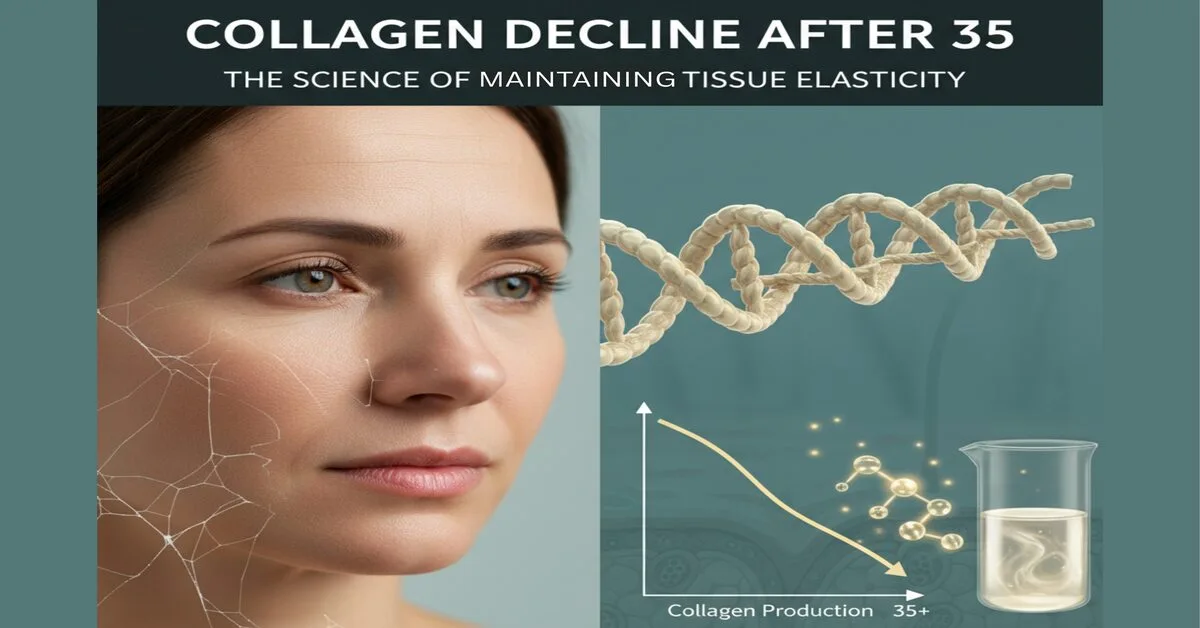
Collagen Decline After 35

Most people think wrinkles, joint stiffness, and sagging skin are just signs of aging — but underneath those changes lies a single, powerful biological shift: collagen decline. After age 35, your body’s collagen production begins to drop by 1–2% per year, leading to slower tissue repair, weaker joints, and visible skin aging.But here’s the surprising … Read more

Estrogen Detox Pathways: Supporting Hormone Balance Through Liver Function

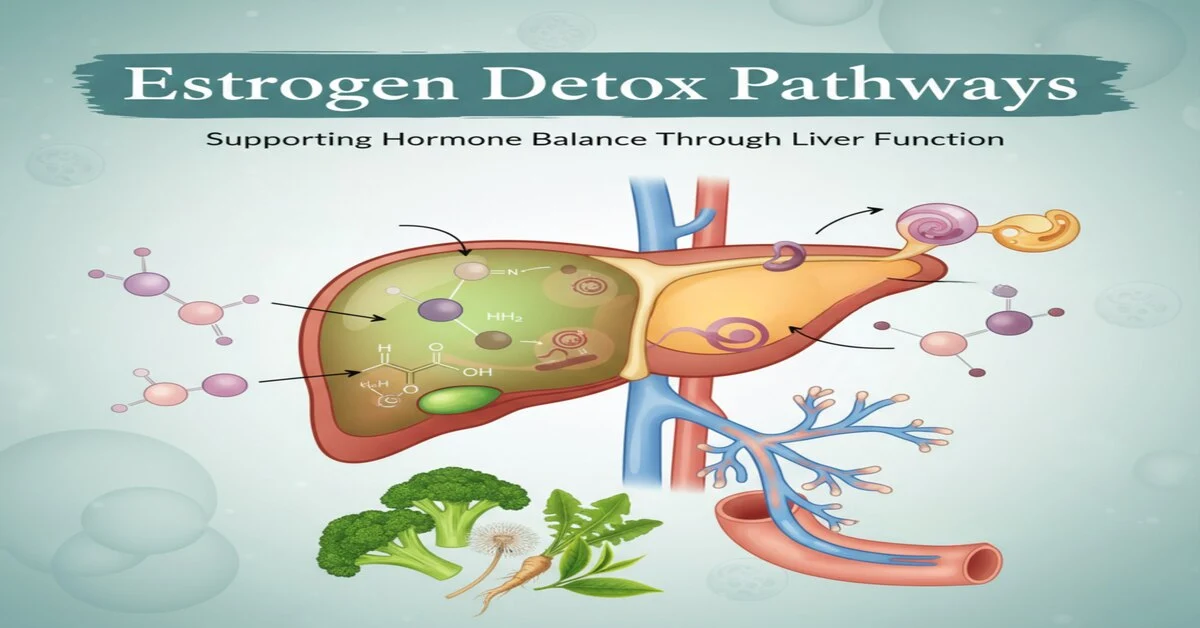
Estrogen Detox Pathways

Hormonal balance isn’t just about how much estrogen your body makes — it’s about how efficiently you can detoxify and eliminate it. When estrogen builds up faster than your liver can clear it, the result is estrogen dominance — a condition linked to weight gain, mood swings, fatigue, PMS, and even hormone-related cancers. In 2025, … Read more

Testosterone Sink: Everyday Habits That Quietly Suppress Hormone Health

Testosterone Sink

In today’s modern lifestyle, testosterone decline is no longer an issue limited to aging men — it’s affecting younger adults at an alarming rate.From constant screen time to hidden toxins in everyday products, small, seemingly harmless habits are silently lowering your hormone balance. This is what experts call the “Testosterone Sink” — a slow, cumulative … Read more

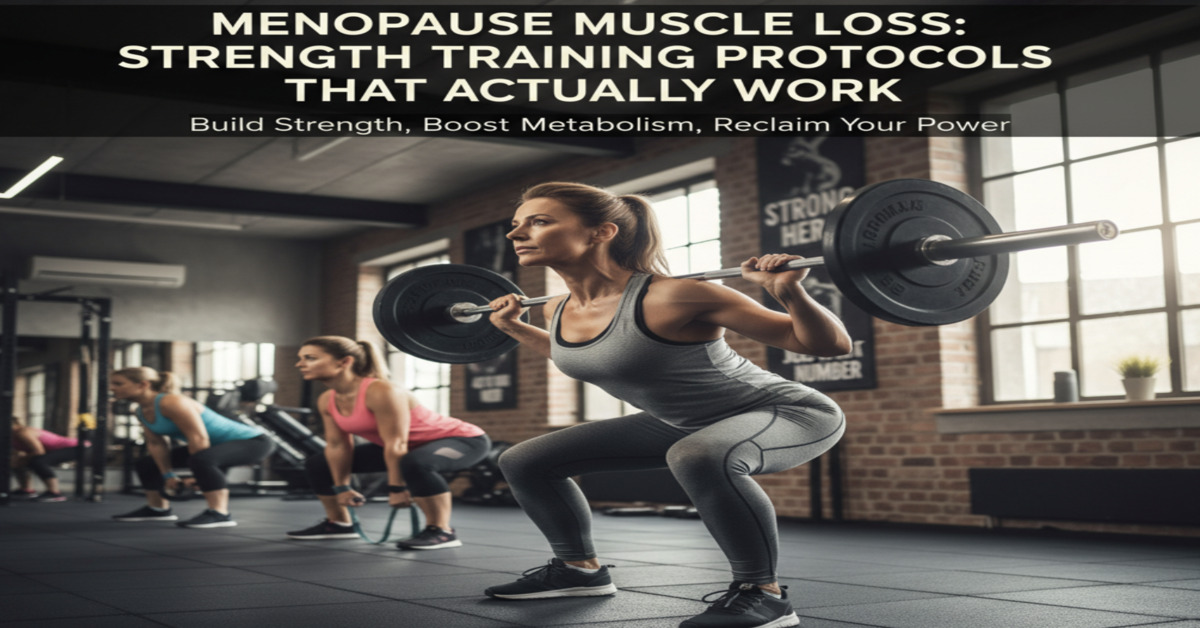
Menopause Muscle Loss: Strength Training Protocols That Actually Work

Menopause Muscle Loss

Introduction Menopause marks a powerful biological transition, but it also triggers a frustrating challenge for millions of women — muscle loss. Research shows that women can lose up to 8% of muscle mass every decade after 40, accelerating rapidly after menopause due to declining estrogen levels. This gradual loss, known as sarcopenia, not only affects … Read more