Collagen Decline After 35: The Science of Maintaining Tissue Elasticity
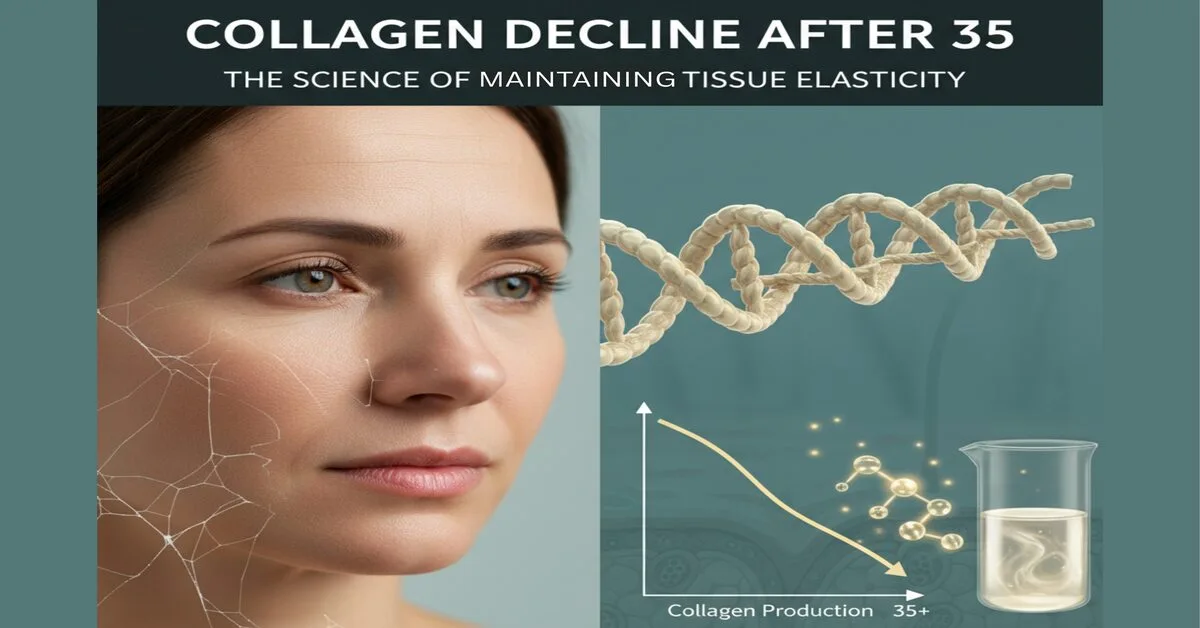
Collagen Decline After 35

Most people think wrinkles, joint stiffness, and sagging skin are just signs of aging — but underneath those changes lies a single, powerful biological shift: collagen decline. After age 35, your body’s collagen production begins to drop by 1–2% per year, leading to slower tissue repair, weaker joints, and visible skin aging.But here’s the surprising … Read more

Circadian Nutrition: Aligning Meal Timing with Hormonal Rhythms

Circadian Nutrition

Your metabolism doesn’t just care what you eat — it deeply cares when you eat. Modern research shows that aligning your meals with your body’s circadian rhythms — the internal clock that regulates hormones, sleep, and energy — can dramatically improve weight control, digestion, mood, and even longevity. Yet, most Americans eat out of sync … Read more

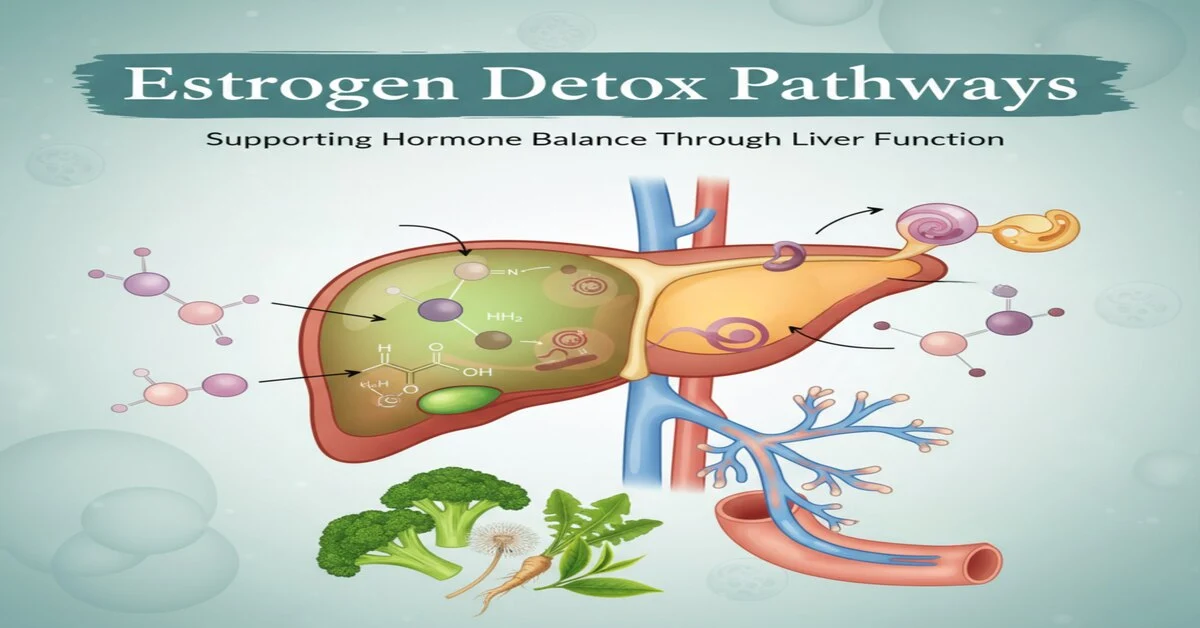
Estrogen Detox Pathways: Supporting Hormone Balance Through Liver Function

Estrogen Detox Pathways

Hormonal balance isn’t just about how much estrogen your body makes — it’s about how efficiently you can detoxify and eliminate it. When estrogen builds up faster than your liver can clear it, the result is estrogen dominance — a condition linked to weight gain, mood swings, fatigue, PMS, and even hormone-related cancers. In 2025, … Read more

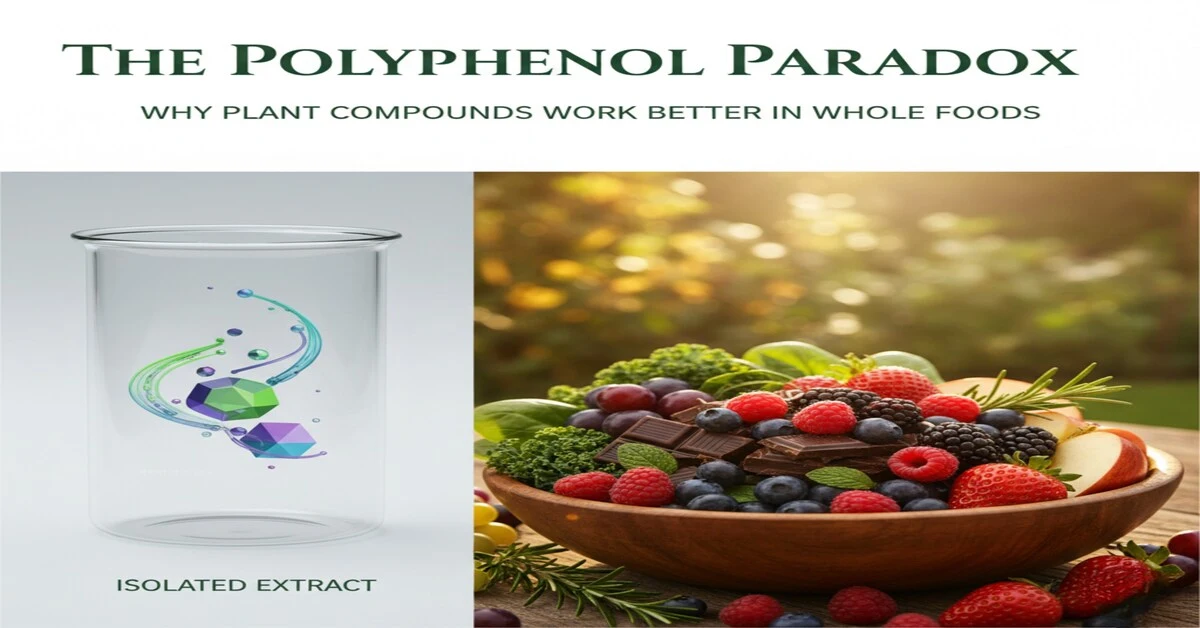
The Polyphenol Paradox: Why Plant Compounds Work Better in Whole Foods

The Polyphenol Paradox

In recent years, polyphenol supplements — from green tea extracts to resveratrol capsules — have flooded the wellness market, promising longevity, better heart health, and anti-aging effects. But emerging research in 2025 reveals a surprising truth: polyphenols work best when consumed in their natural, whole-food form, not as isolates. Welcome to the Polyphenol Paradox — … Read more