
Introduction: The Overlooked Role of Sulfate
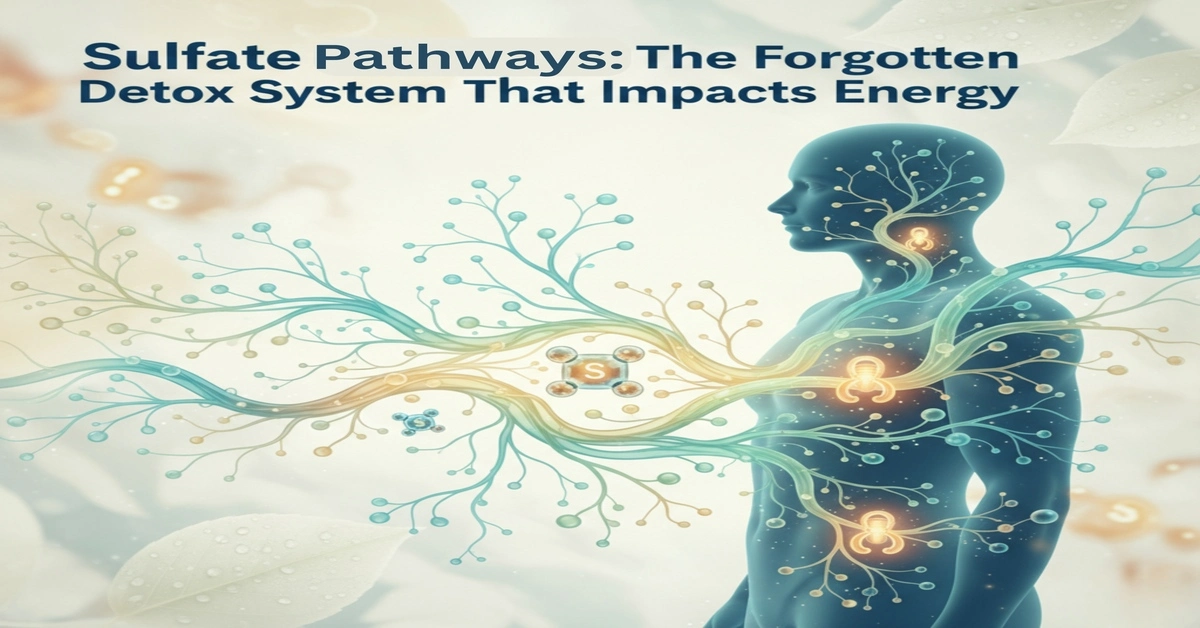
Most Americans understand detox in terms of liver cleanses or juice fasts — but there’s a biochemical detox system far more fundamental: the sulfate pathway. This crucial process governs how your body neutralizes toxins, regulates hormones, and produces clean cellular energy.
Yet, despite its importance, sulfate metabolism remains one of the most overlooked systems in wellness science. Dysfunction here can quietly drive fatigue, hormonal imbalance, and sluggish recovery — especially in adults exposed to processed diets and environmental toxins.
The Science Behind Sulfation and Cellular Detox
Sulfation is a biochemical process where the body attaches sulfur groups (from sulfate) to molecules like hormones, neurotransmitters, and toxins to make them water-soluble and excretable.
This process relies on the sulfotransferase enzymes, which convert harmful compounds into forms the liver and kidneys can eliminate.
When sulfate supply or enzyme activity drops, detox slows — leading to toxic buildup, mitochondrial stress, and reduced ATP (energy) production.
Statistic: Studies from the National Institutes of Health (NIH) show that impaired sulfation can lower mitochondrial efficiency by up to 20%, contributing to chronic fatigue and poor liver clearance.
How Sulfate Pathways Influence Energy and Metabolism
The sulfate pathway directly impacts how efficiently your cells produce energy.
When toxins or hormones aren’t properly “sulfated,” they recirculate, overloading mitochondria and reducing energy generation. Additionally, sulfation regulates:
- Neurotransmitter balance (dopamine and serotonin)
- Thyroid hormone activation (conversion of T4 to T3)
- Estrogen detoxification
- Cellular antioxidant protection
Low sulfate levels can therefore manifest as fatigue, brain fog, hormonal imbalance, or reduced recovery after workouts.
Signs of Sulfation Imbalance
| Symptom | Possible Mechanism |
|---|---|
| Chronic fatigue | Mitochondrial overload due to toxin buildup |
| Brain fog | Impaired neurotransmitter sulfation |
| Hormonal acne or PMS | Poor estrogen clearance |
| Chemical sensitivity | Detox bottleneck in sulfation |
| Slow recovery | Inflammation from oxidative stress |
Expert Quote:
“Many patients with unexplained fatigue or hormone imbalance have underlying sulfation issues that conventional tests miss,” explains Dr. Hannah Levine, ND, functional detoxification specialist.
Modern Lifestyle Factors That Disrupt Sulfate Pathways
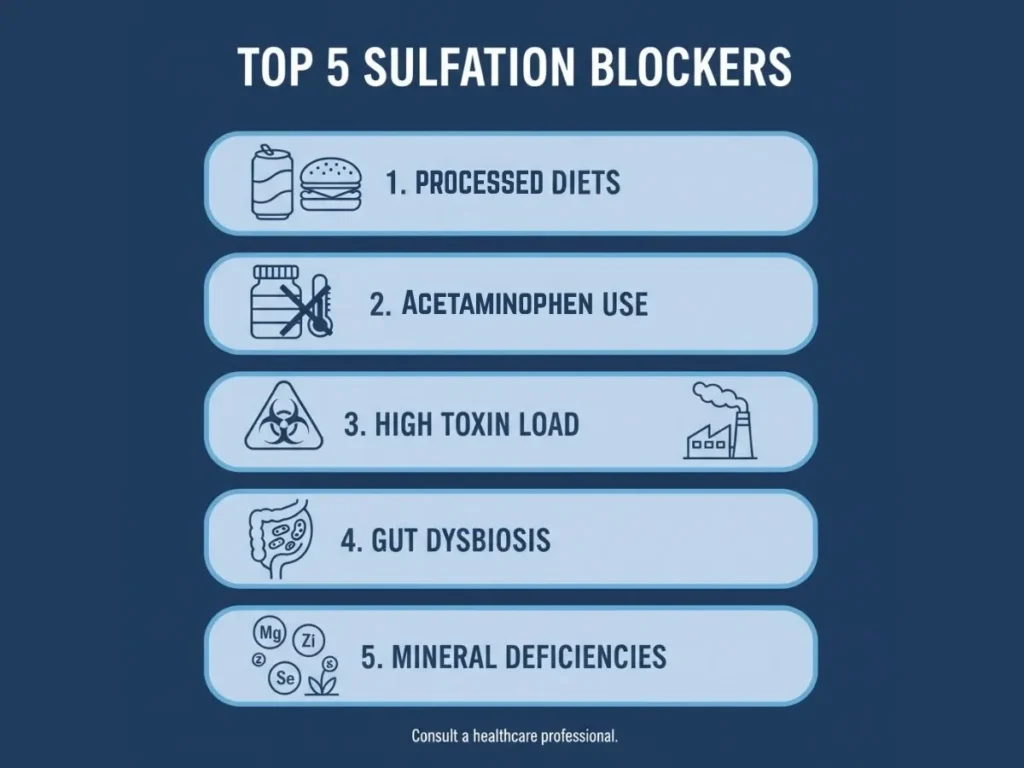
- Processed Diets: Low in sulfur-containing amino acids (like cysteine and methionine).
- Acetaminophen Use: Depletes sulfate reserves through heavy detox demand.
- High Toxin Load: Pesticides, plastics, and pollution overwhelm sulfation enzymes.
- Gut Dysbiosis: Reduces production of hydrogen sulfide (needed for sulfate conversion).
- Mineral Deficiencies: Lack of magnesium and molybdenum can block sulfation enzymes.
Optimizing Sulfate Metabolism Naturally
The good news: your sulfate pathway is highly responsive to nutrition and lifestyle changes.
1. Eat Sulfur-Rich Foods
Include eggs, garlic, onions, and cruciferous vegetables (broccoli, kale, cabbage).
2. Support Gut Health
Fermented foods and probiotics enhance microbial sulfur metabolism.
3. Stay Hydrated with Electrolytes
Sulfate is water-soluble; dehydration slows its clearance.
4. Use Epsom Salt Baths
Magnesium sulfate absorbed through the skin boosts sulfate stores.
5. Limit Acetaminophen and Alcohol
Both deplete sulfate rapidly during detoxification.
Foods That Support Sulfation
| Food | Key Compound | Function |
|---|---|---|
| Eggs | Cysteine | Precursor for sulfate and glutathione |
| Garlic & Onions | Allicin, Sulfur | Enhances detox enzymes |
| Broccoli & Kale | Glucosinolates | Activates phase II detox |
| Legumes | Methionine | Provides sulfur backbone |
| Epsom Salt (MgSO₄) | Sulfate | Direct source for metabolism |

Practical Checklist for Sulfate Pathway Support
- Eat sulfur-rich foods daily (eggs, onions, crucifers)
- Stay hydrated (2–3 liters/day)
- Take Epsom salt baths 2–3 times weekly
- Avoid frequent acetaminophen use
- Include probiotic or fermented foods
- Ensure adequate magnesium and molybdenum intake
Expert Insights on Sulfate and Energy
“Restoring sulfate balance is one of the most underrated ways to support mitochondrial health,” says Dr. Paul Ramsey, PhD, metabolic biochemist.
“When sulfation runs smoothly, everything from neurotransmitter function to hormone clearance improves, resulting in better mood and energy.”
Common Myths & FAQ
Q1: Is sulfate the same as sulfur?
A: Not exactly — sulfate is the oxidized form of sulfur that the body uses for detox and metabolism.
Q2: Can I get enough sulfate from food alone?
A: In most cases yes, but individuals with chronic fatigue or liver burden may need supplemental support.
Q3: Are sulfates harmful?
A: Industrial sulfates in water differ from biological sulfate — dietary sulfate is essential, not toxic.
Q4: What’s the best test for sulfate status?
A: Currently, there’s no direct test; functional markers like low taurine or high oxidative stress may indicate deficiency.
Q5: Can sulfate pathways affect skin and joints?
A: Yes, sulfation supports collagen formation and detox, influencing both joint and skin health.
Authoritative Resources
- National Center for Biotechnology Information
- Harvard Health Publishing – The dubious practice of detox
- Linus Pauling Institute
Other Interesting Articles
Conclusion & Call-to-Action
The sulfate pathway is more than a detox process — it’s a hidden driver of energy, hormone balance, and cellular resilience. By supporting it through whole foods, hydration, and mineral balance, you strengthen the body’s innate ability to clear toxins and generate sustainable vitality.
Next Step: Add sulfur-rich foods to your meals this week, reduce toxin exposure, and consider simple Epsom salt soaks. Small, consistent actions can dramatically improve sulfate metabolism — and your daily energy levels.