
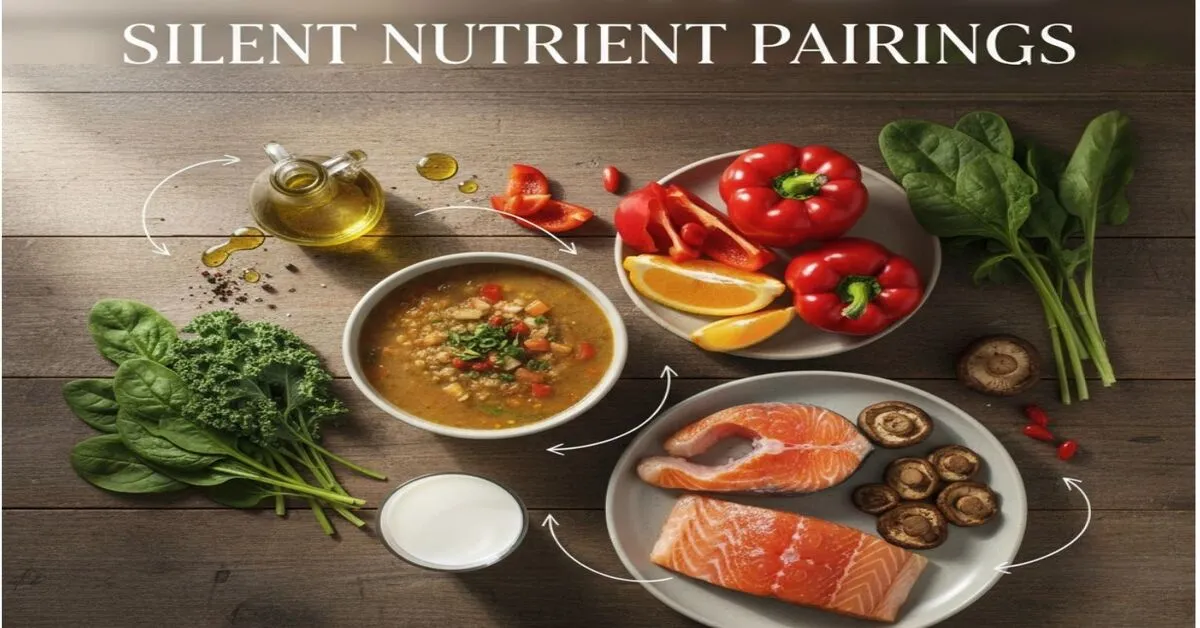
1. Introduction: Why Nutrient Pairings Matter More Than You Think
Many people focus on what they eat — macronutrients, counts, calories — but one unsung factor often limits results: absorption. You could eat all the spinach, fish, and leafy greens in the world, but if your body fails to absorb the key vitamins and minerals from those foods, they can’t do their work.
In 2025, with rising rates of micronutrient deficiencies even in well-fed populations, maximizing absorption through smart nutrient pairings is one of the most underutilized health hacks. The goal isn’t just intake — it’s usability.
2. Science of Absorption: Basics You Need to Know
To understand why pairings help, here are the key mechanisms:
- Chemical form matters: Mineral ions (e.g., iron in its ferrous form) versus less absorbable forms.
- Co-factors: Some nutrients enable transport or activation of others (for example, magnesium helps convert vitamin D to its active form).
- Inhibitors: Phytates (in legumes, whole grains), oxalates (in spinach), tannins (in tea), or calcium competing with iron — these reduce absorption.
- Fat-soluble vs water-soluble: Vitamins A, D, E, K need fats to be absorbed effectively; water-soluble vitamins (e.g., vitamin C, B complex) have different pathways.
3. Key Nutrient Synergies Backed by Research
Vitamin C + Iron
- Consuming vitamin C (ascorbic acid) alongside nonheme iron (plants) converts ferric iron (Fe³⁺) to the ferrous (Fe²⁺) form, which is more absorbable. Evidence: systematic reviews show ascorbic acid added to test meals increases iron absorption significantly. Cambridge University Press & Assessment+2Healthline+2
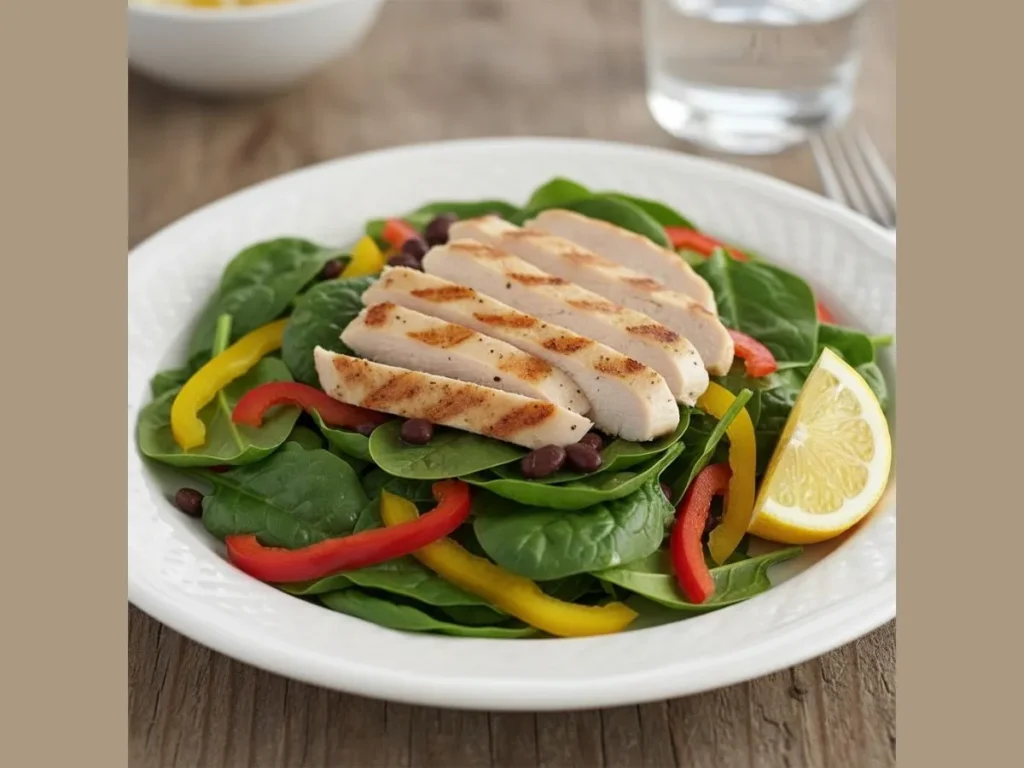
- Even 50–100 mg of vitamin C with a meal can boost nonheme iron uptake; drinking orange juice or eating bell peppers with spinach is effective. Cambridge University Press & Assessment+1
Vitamin D + Magnesium
- Magnesium is required for enzymes that convert vitamin D into its biologically active form (1,25-dihydroxyvitamin D). Without enough magnesium, vitamin D supplementation may register high intake but low activity.
- Also, vitamin D helps with absorption of minerals like calcium and magnesium itself. This synergy is especially important in U.S. populations with low sun exposure and magnesium intake.
Fats + Fat-Soluble Vitamins (A, D, E, K)
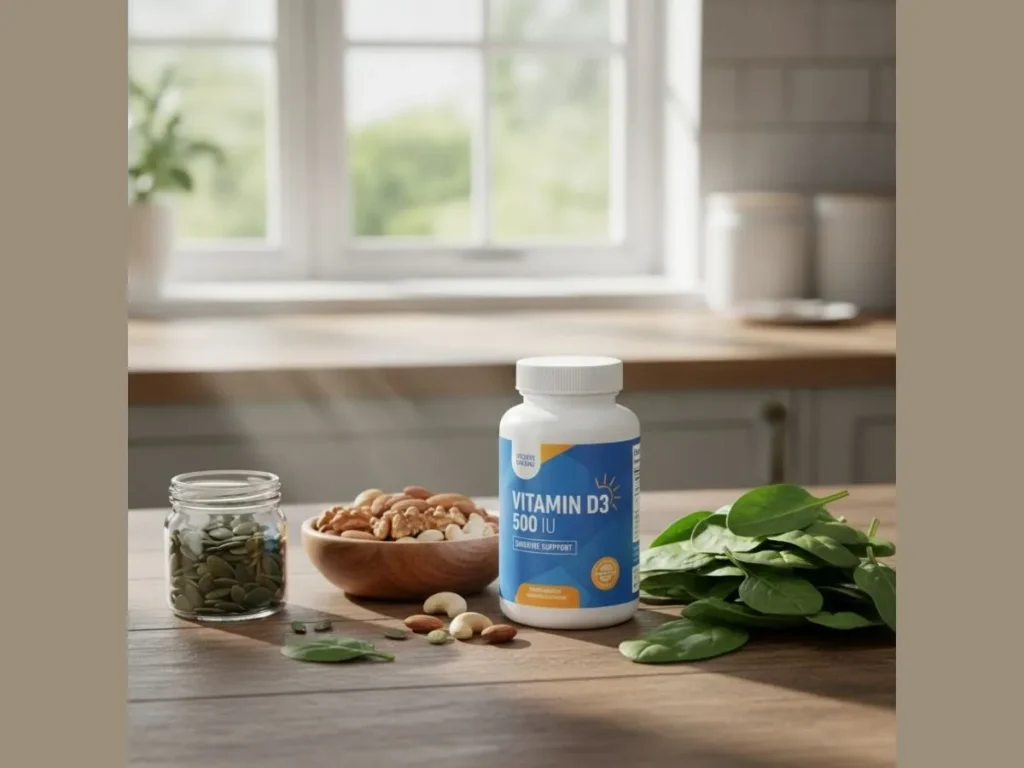
- Vitamins A, D, E, K dissolve in fats and require dietary fat (even small amounts) to be absorbed. Pairing fat with these vitamins (e.g., leafy greens with olive oil, or vitamin D supplement with a fatty meal) significantly enhances uptake.
- Example: absorption of vitamin D increases when taken with meals containing fat rather than on an empty stomach.

Zinc + Copper (Balancing Act)
- Zinc and copper compete for absorption via the same transport pathways in the gut. Too much of one can impair absorption of the other. Balanced intake is essential.
- For example, high supplemental zinc without enough copper may lead to copper deficiency, which can impair immune function and neurological health.
Beta-Carotene + Healthy Fat
- Beta-carotene (provitamin A) from vegetables like carrots, sweet potatoes, and dark leafy greens is better converted into vitamin A in presence of dietary fat.
- The fat increases solubility and uptake across the gut barrier.
4. How to Apply These Pairings in Everyday U.S. Meals
Here’s how to put these synergies into practice:
- Pair your iron-rich plants (spinach, beans, lentils) with vitamin C sources (citrus, bell pepper, tomatoes).
- Take vitamin D supplements with your largest (fat-containing) meal of the day (e.g., dinner with fatty fish, avocado).
- Use healthy oils or fats when preparing fat-soluble vitamin rich foods: sauté greens in olive oil or add nuts/seeds to meals.
- Monitor zinc and copper ratios if supplementing; don’t take high doses of one alone for long.
- Incorporate beta-carotene richly colored vegetables with small amounts of fat (oil, dairy, nuts) so your body can convert it well.
5. Food Combinations That Boost Absorption (Table)
| Food Combination | What’s Being Enhanced | Tip for Best Absorption |
|---|---|---|
| Spinach + Lemon/Bell Pepper | Non-heme iron absorption | Fresh citrus at time of meal |
| Salmon (or oily fish) + Greens + Olive Oil | Vitamin D, K, A absorption | Use mixed salad with fat-rich dressing |
| Sweet potato + Butter or Coconut Oil | Beta-carotene conversion | Light cooking with fat helps |
| Oysters + Nuts / Seeds | Zinc + moderated copper ratio | Avoid combining supplemental high-dose zinc without copper |
| Beans + Tomato Sauce | Iron conversion + flavor + absorption boost | Slow cook with tomato to enhance effect |
6. Optimal Timing & Habits to Maximize Absorption
- Take mineral/vitamin supplements with meals rather than on empty stomach (for fat-solubles or minerals requiring co-factors).
- Space out conflicting nutrients (e.g., avoid calcium with iron; avoid high doses of zinc without copper).
- Avoid drinking coffee or high-tannin tea with iron-rich meals. These inhibit iron absorption.
- Consider pairing vitamin C with every plant-based meal.
- Choose whole, minimally processed foods — they tend to have better nutrient bioavailability.
7. Potential Pitfalls & When It Goes Wrong
- Over-supplementing one nutrient may inhibit others. Example: excessive zinc suppressing copper; too much fat interfering with balanced meals.
- Some pairings may interact with medications (e.g., high vitamin K with warfarin).
- Supplement quality matters — poor forms or low potency reduce effectiveness.
- Individual variation (gut health, enzyme levels, genetic differences) can affect absorption significantly.
8. Expert Insights on Nutrient Bioavailability
“It’s not just what you eat — it’s what your body can absorb. Co-factors like vitamin C or magnesium are like the unlock keys to nutrients you already consume,”
says Dr. Alison Moore, Registered Dietitian & Bioavailability Researcher.
“We often see vitamin D levels remain suboptimal because magnesium isn’t considered. Pairing matters almost as much as dosage,”
notes Dr. Jason Lin, Endocrinologist, UCLA Health.
9. Checklist: Build Your Absorption-Boosting Diet
- Include a source of vitamin C with every plant-based iron meal
- Eat fat with meals containing vitamins A, D, E, K
- Ensure adequate magnesium intake (diet or supplement) when using vitamin D
- Monitor zinc & copper balance if supplementing minerals
- Avoid inhibitors during key nutrient meals (e.g., tea, coffee, calcium with iron)
- Use whole foods over processed where possible
10. FAQs
Q1: Can supplements replace these pairings?
Supplements help but are most effective when your diet uses absorbing pairings. Without co-factors, extra pills often get wasted.
Q2: Is there a risk of overdoing absorption?
Yes — especially with minerals like iron or zinc. High iron without need may lead to oxidative stress; dosing should consider blood status.
Q3: How fast can I see improvements?
Often within weeks for energy, digestion, iron status (if deficient), or vitamin D levels—especially when changing meal combinations.
Q4: What about people with digestive issues (IBS, low stomach acid)?
They may need additional strategies — enzyme support, probiotics, smaller meals, possibly testing stomach acid, etc.
11. Authoritative Resources
- Proceedings of the Nutrition Society — systematic reviews on vitamin C and iron absorption. Cambridge University Press & Assessment
- PubMed articles on vitamin D and magnesium’s joint role in absorption. PubMed
- National Institutes of Health – Vitamin C, Iron Fact Sheets.
12. Other Interesting Articles on Fitoast
- What Joe Biden’s Cancer Diagnosis Teaches Us About Men’s Health at 80+
- Vitamin K2: The Overlooked Nutrient That Keeps Bones Strong & Arteries Clear
13. Conclusion & Call to Action
Silent nutrient pairings are the hidden multiplier in your health plan. They turn good diets into great ones by ensuring what you eat actually gets used by your body. Implementing even a few of these combinations daily can boost your energy, improve blood markers (like iron or vitamin D), and support long-term strength and health.
Your next move: Identify 2 meals a day to upgrade — for example, add citrus to your leafy greens and eat fats with vitamin D sources. Track how you feel, and after a month consider getting nutrient labs (iron, vitamin D, magnesium) to see real change.