

Introduction
Gut health has become one of the biggest wellness conversations in the U.S. over the past decade. From kombucha to probiotics, Americans have embraced foods and supplements that claim to balance the microbiome. But in 2025, the spotlight is shifting to something new: postbiotics.
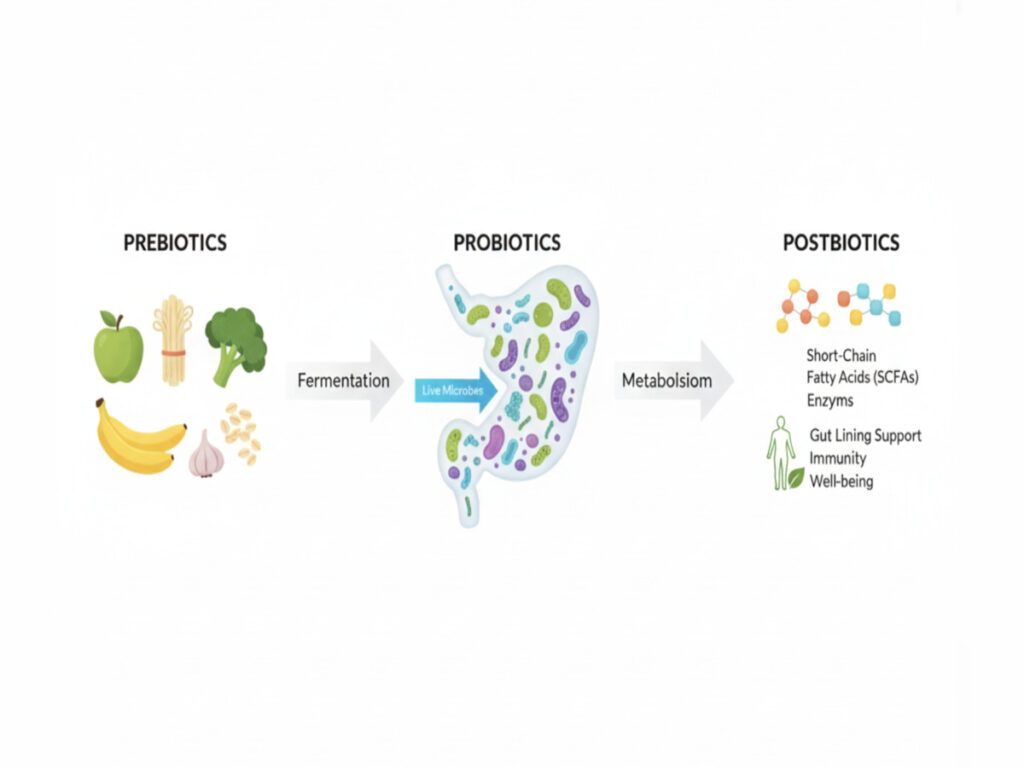
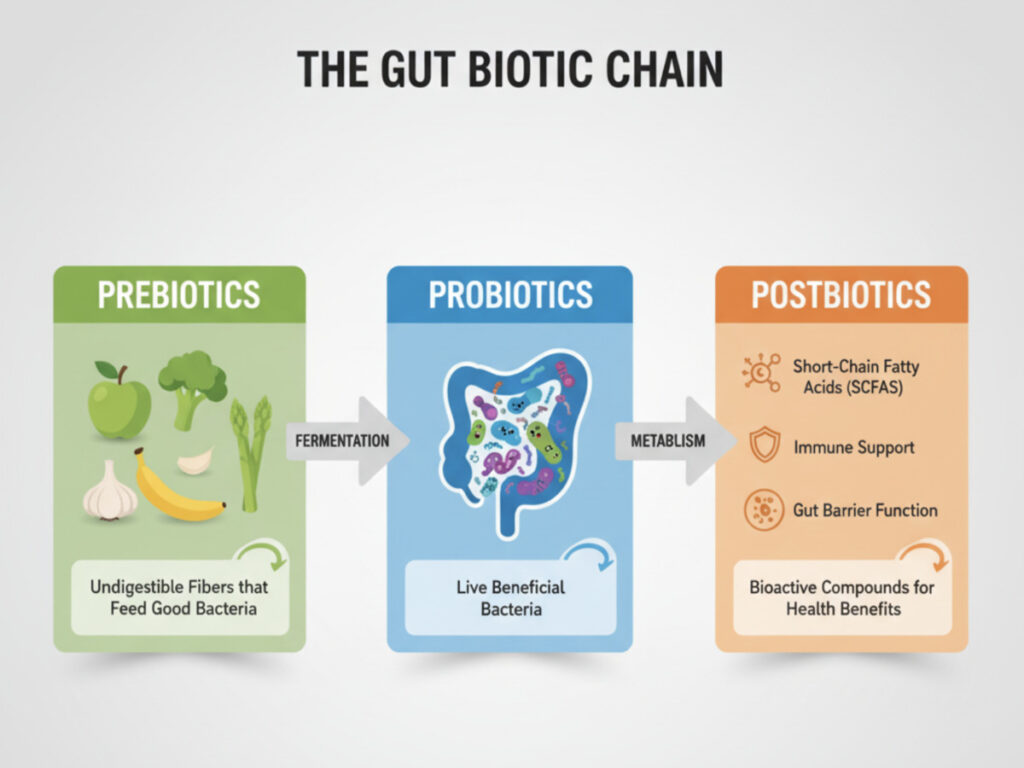
Unlike probiotics (live bacteria) and prebiotics (the fibers that feed them), postbiotics are the beneficial compounds created when probiotics ferment prebiotics inside the gut. They represent the final step in this chain — and research shows they may hold the key to stronger immunity, reduced inflammation, and better energy levels.
This guide explains what postbiotics are, how they differ from pre- and probiotics, and how Americans can use them to build a healthier lifestyle.
What Are Postbiotics?
Definition: Postbiotics are the bioactive compounds produced when gut bacteria break down fiber-rich foods. These include:
- Short-chain fatty acids (SCFAs): like butyrate, acetate, and propionate.
- Enzymes and peptides: proteins that improve gut lining health.
- Vitamins and organic acids: like vitamin K and lactic acid.
- Cell wall fragments from bacteria: that trigger immune benefits.
In short: postbiotics are the “end product” of healthy digestion — and they may be even more important than probiotics themselves.
Postbiotics vs. Prebiotics vs. Probiotics
| Type | What It Is | Sources | Key Role |
|---|---|---|---|
| Prebiotics | Fibers that feed good bacteria | Onions, garlic, oats, bananas | Fuel for probiotics |
| Probiotics | Live beneficial bacteria | Yogurt, kefir, kombucha, supplements | Digest and balance gut flora |
| Postbiotics | Compounds made after fermentation | Produced in gut + new supplements | Reduce inflammation, boost immunity |
Why Postbiotics Matter for Americans
1. Stronger Immunity
Up to 70% of the immune system resides in the gut. Postbiotics like butyrate have been shown to strengthen the gut lining, making it harder for harmful bacteria to pass into the bloodstream.
2. Reduced Inflammation
Chronic inflammation is linked to obesity, diabetes, and heart disease — conditions affecting millions of Americans. Postbiotics have anti-inflammatory effects that may help lower long-term risk.
3. Better Digestive Health
Unlike probiotics, postbiotics are not alive, which makes them more stable and less likely to be destroyed by stomach acid. This means they may work more reliably across different individuals.
4. Mental Well-Being
The gut-brain axis is a hot area of research. Early findings suggest postbiotics may improve mood and reduce anxiety by producing neurotransmitter-supporting compounds.
Expert Insight: Dr. Emily Ventura, gut health researcher, explains:
“Postbiotics could bridge the gap between gut and whole-body health. Their stability makes them especially promising for clinical use.”
Natural Sources of Postbiotics
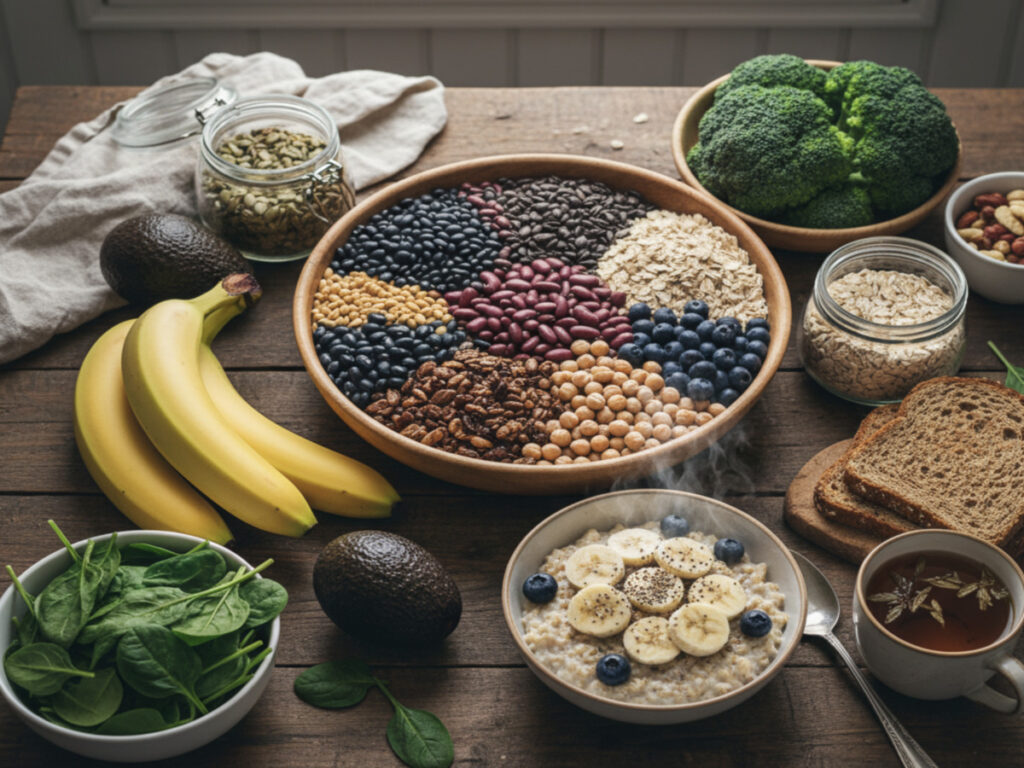
While supplements exist, Americans can boost postbiotic production naturally by eating more fiber-rich foods:
| Food | Fiber Type | Postbiotic Produced |
|---|---|---|
| Oats | Beta-glucan | Butyrate, propionate |
| Beans & Lentils | Resistant starch | Acetate, SCFAs |
| Bananas | Inulin & fructooligosaccharides | Butyrate |
| Garlic & Onions | Prebiotic fibers | Acetate, lactic acid |
| Fermented Foods | Already contain compounds | SCFAs, peptides |
Postbiotic Supplements
With interest growing, supplement companies are releasing postbiotic capsules and powders. Key things to know:
- Stability: Unlike probiotics, they don’t require refrigeration.
- Evidence: Some studies show benefits for IBS, allergies, and immune support.
- Limitations: Research is still new — not all products are backed by clinical trials.
Tip: Look for supplements with clear labeling of compounds (like butyrate) instead of vague “postbiotic blend” claims.
Safety and Considerations
- Safe for most people: Since they aren’t live organisms, postbiotics are less risky for people with compromised immunity than probiotics.
- Not a replacement: They should complement a fiber-rich diet, not replace it.
- Consultation: Always check with a healthcare provider before starting supplements, especially if managing chronic illness.
Actionable Checklist for Starting with Postbiotics
✅ Increase daily fiber intake (beans, oats, bananas, vegetables)
✅ Add one serving of fermented foods daily (yogurt, kimchi, sauerkraut)
✅ Consider stable postbiotic supplements with clinical backing
✅ Track improvements in digestion, energy, and mood
✅ Reassess with your doctor after 6–8 weeks
Key U.S. Statistics
- Only 5% of Americans meet the recommended daily fiber intake (CDC, 2024).
- The global postbiotics market is projected to grow by 10.4% annually through 2030.
- In surveys, 62% of Americans said they are interested in trying new gut health solutions beyond probiotics.
FAQ: Postbiotics for Americans
Q1: Are postbiotics better than probiotics?
Not necessarily “better” — but more stable, and may work more consistently.
Q2: Can I get enough postbiotics from food?
Yes, if you eat high-fiber and fermented foods daily. Supplements are optional.
Q3: Are there side effects?
Generally safe; some people may notice mild bloating at first.
Q4: Who should try postbiotics?
Anyone seeking better digestion, immunity, or inflammation control — especially if probiotics haven’t worked well.
Authoritative Resources
- National Institutes of Health – Gut Microbiome Research
- American Gastroenterological Association
- Harvard T.H. Chan School of Public Health
Conclusion
Gut health science is evolving, and postbiotics are at the center of the next wave. By embracing fiber-rich diets, fermented foods, and potentially supplements, Americans can take advantage of these stable, beneficial compounds.
In the coming years, postbiotics may transform from a little-known term to a household wellness essential — and getting ahead of the trend now could mean better health for decades to come.