

When it comes to post-workout nutrition, carbohydrates have always been a controversial topic. Some fitness enthusiasts fear carbs will ruin their fat loss progress, while others swear they’re essential for muscle recovery. In truth, both camps are partially right — and understanding the timing, type, and quantity of carbs can make all the difference between rebuilding stronger muscles or storing unnecessary fat.
Why Carbs Matter After a Workout
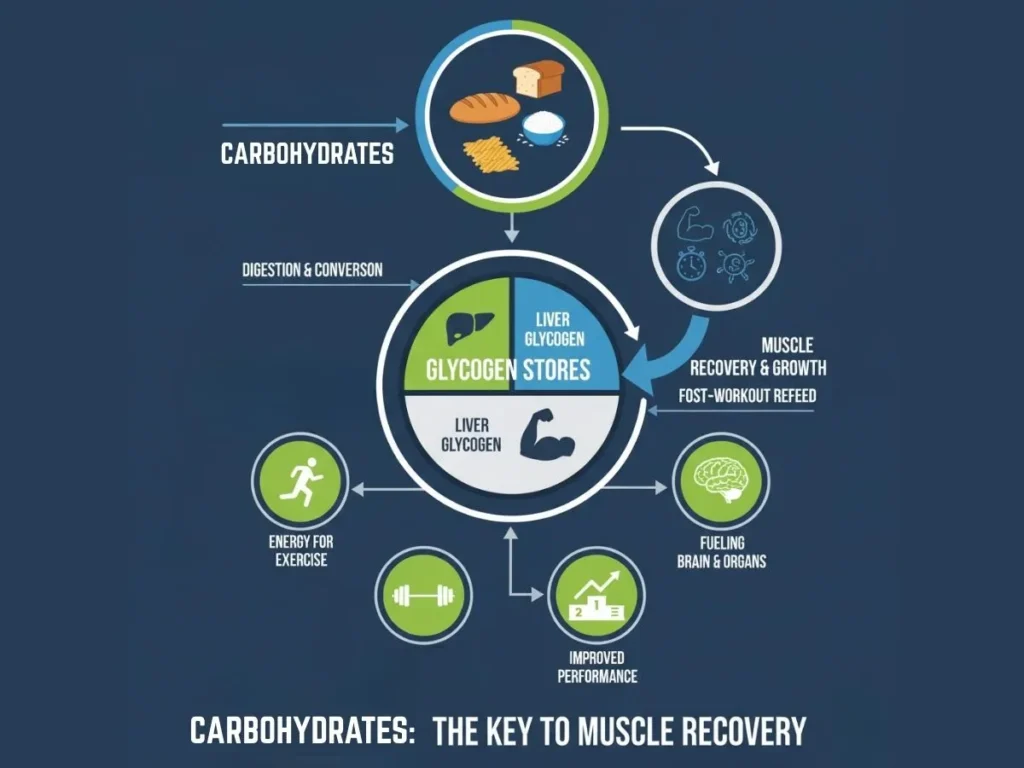
After exercise, your muscle glycogen stores — the body’s main fuel during training — are depleted. Carbs are essential for replenishing these stores. If you skip them, your body may begin breaking down muscle for energy, slowing recovery and increasing fatigue.
However, post-workout carbs aren’t just about replenishment — they also work synergistically with protein to boost muscle protein synthesis. When consumed together, insulin from carbs helps shuttle amino acids into muscle tissue for faster repair.
The Post-Workout Carb Paradox
Many people mistakenly eat a high-carb meal right after exercise, assuming “the more, the better.” But in today’s world — where most workouts aren’t long endurance sessions — this can backfire.
Excessive carbs can trigger insulin spikes, pushing the body to store glucose as fat if glycogen levels are already replenished. The key lies in personalized refueling based on workout intensity and goals.
| Workout Type | Recommended Carb Range | Examples |
|---|---|---|
| Light activity (yoga, walking) | 15–25g | Berries, half banana |
| Strength training | 30–60g | Oats, quinoa, sweet potato |
| High-intensity training | 60–100g | Rice, whole grain pasta, honey |
How to Refuel Without Storing Fat
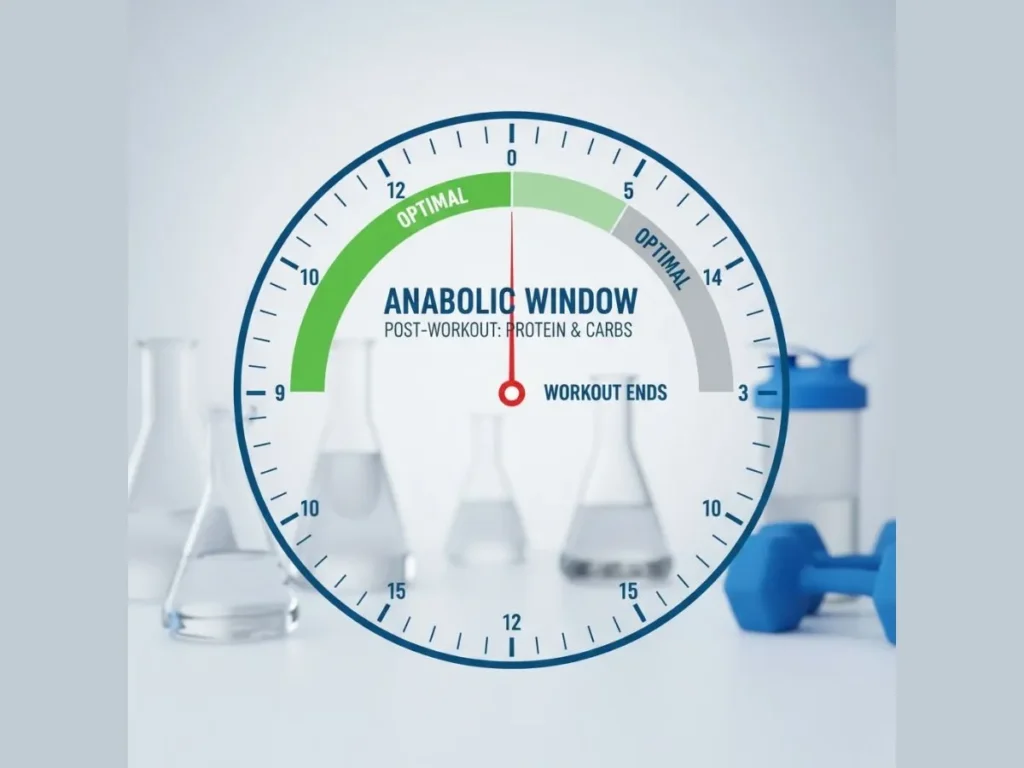
1. Time It Right: The 45-Minute Window
Within 30–45 minutes post-workout, your muscles are primed to absorb nutrients efficiently. This is when insulin sensitivity is at its peak — meaning carbs are more likely to be stored as glycogen, not fat.
2. Pair Carbs with Protein
Research shows that combining carbs and protein in a 3:1 ratio enhances recovery and minimizes fat storage. For instance:
- 30g protein + 90g carbs after a tough session
- 20g protein + 60g carbs for moderate intensity
This combination promotes lean muscle growth and stable energy.
3. Choose Smart Carbs
Not all carbs are created equal. Fast-digesting sources like dextrose or white rice are beneficial after intense workouts but unnecessary after lighter ones.
For most people, moderate-GI carbs like oats, sweet potatoes, and fruit provide a steady glucose release without overshooting insulin levels.
| Fast Carbs (High GI) | Slow Carbs (Moderate GI) |
|---|---|
| White rice, honey, banana | Oats, quinoa, apple, lentils |
4. Don’t Forget Electrolytes
During training, you lose sodium, potassium, and magnesium — minerals that help regulate muscle contractions and energy metabolism. Replenishing them post-workout supports glycogen storage and reduces muscle soreness.
Pro tip: A pinch of sea salt and a banana in your recovery smoothie can restore electrolyte balance naturally.
5. Avoid the “Reward Trap”
Many gym-goers undo their progress by indulging in high-sugar “reward meals” after exercise. Remember: the body doesn’t automatically turn post-workout calories into muscle. Recovery nutrition should support your goal, not sabotage it.
Expert Insight
“Post-exercise carb intake should match your training volume — not your cravings. The real mistake isn’t eating carbs, but eating them when your glycogen isn’t depleted.”
— Dr. Eric Helms, Exercise Scientist
Sample Post-Workout Meals
| Goal | Meal Example |
|---|---|
| Fat loss | 1 scoop whey + ½ cup oats + blueberries |
| Muscle gain | Chicken + rice + vegetables + olive oil |
| Maintenance | Greek yogurt + banana + honey drizzle |

Actionable Recovery Checklist
- ✅ Eat carbs + protein within 45 minutes
- ✅ Match carb amount to workout intensity
- ✅ Use whole-food carb sources when possible
- ✅ Hydrate with electrolytes
- ✅ Avoid sugar-heavy recovery drinks unless doing endurance training
FAQs
1. Do I really need carbs after a workout?
Yes — consuming carbohydrates after a workout helps replenish glycogen stores that fuel your muscles. However, the type and amount of carbs matter. Opt for complex carbs like sweet potatoes, oats, or quinoa rather than sugary drinks or snacks.
2. Will eating carbs after exercise make me gain fat?
Not if timed correctly. After a workout, your body is more insulin-sensitive, meaning it prioritizes sending glucose to muscles for recovery instead of storing it as fat. Overeating carbs beyond your energy needs, however, can still contribute to fat gain.
3. Is it okay to drink carbs (like smoothies) instead of eating them?
Yes — liquid carbs with protein (like a fruit + whey shake) are great if you can’t eat a full meal right away. They digest faster and start muscle repair sooner.
4. Do women and men need different carb amounts post-workout?
Carb needs depend more on training intensity and body size than gender. However, women often recover better with slightly lower carb loads and balanced fats post-workout to stabilize hormones.
Authoritative Resources
- American College of Sports Medicine – Nutrient Timing Guidelines
- National Institutes of Health – Post-Exercise Glycogen Repletion Study
- Journal of the International Society of Sports Nutrition
Other Interesting Article
Conclusion: The Smart Carb Comeback
Carbs aren’t the enemy — misusing them is. When timed and balanced correctly, they can help rebuild muscle, stabilize hormones, and enhance recovery without adding body fat. For modern fitness lifestyles, the smartest approach isn’t low-carb — it’s strategic-carb.
✅ Call to Action
If you’ve been confused about post-workout fueling, start tracking your carb timing this week. Notice how your energy, recovery, and body composition respond. For more science-backed strategies, visit Fitoast.com — where performance meets precision.