
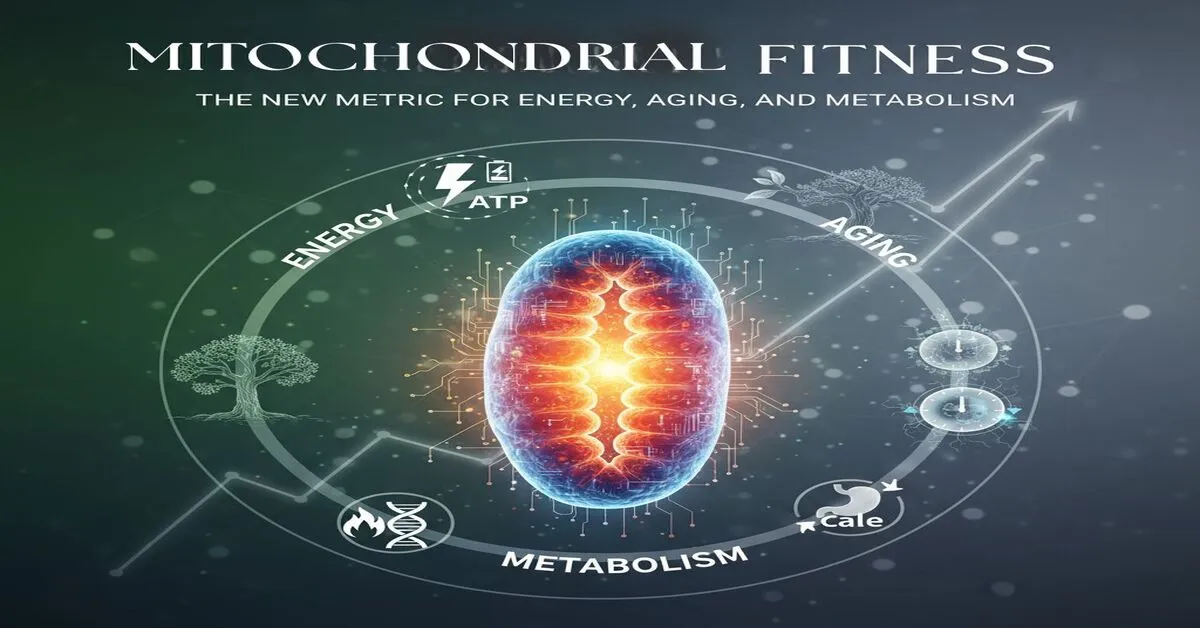
Introduction: The Cellular Powerhouses Behind Human Vitality
Most people think energy is about calories or caffeine—but real vitality begins at the microscopic level inside your cells.
That’s where mitochondria, the body’s power generators, determine how efficiently you age, recover, and metabolize nutrients.
In 2025, researchers are calling mitochondrial fitness the new biomarker of healthspan, influencing everything from metabolism and mood to disease resistance and athletic endurance.
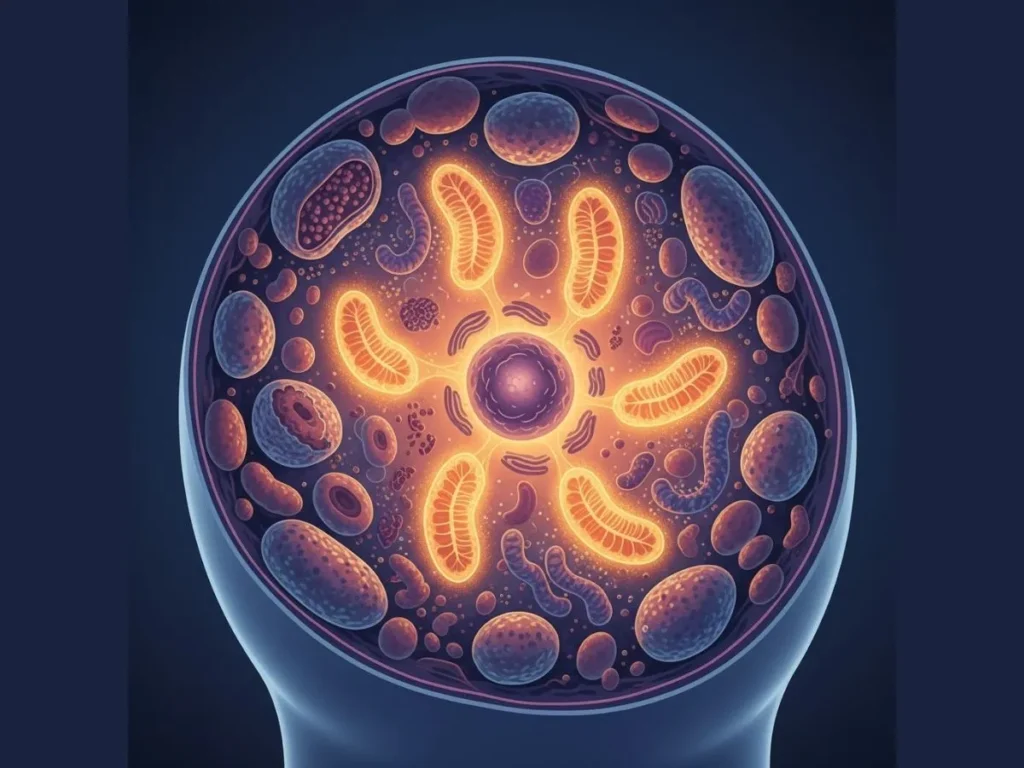
What Is Mitochondrial Fitness?
Mitochondrial fitness refers to how effectively your mitochondria convert oxygen and nutrients into adenosine triphosphate (ATP)—the energy currency of your body.
Healthy mitochondria = optimal metabolism, faster recovery, and slower cellular aging.
Damaged mitochondria = fatigue, brain fog, insulin resistance, and accelerated aging.
| Metric | Optimal Function | Dysfunctional Function |
|---|---|---|
| Energy output (ATP) | High and stable | Low and inconsistent |
| Oxidative stress | Well-regulated | Chronic inflammation |
| Fat metabolism | Efficient | Impaired, more fat storage |
| Cellular repair | Strong autophagy | Weak regeneration |
Why Mitochondrial Health Matters More Than Calories
The traditional “calories in, calories out” model is outdated. Two people can eat the same meal—but one burns clean energy, while the other feels sluggish.
The difference lies in how well their mitochondria function.
Mitochondria regulate:
- Fat oxidation (how your body uses stored fat for fuel)
- Insulin sensitivity
- Hormonal balance
- Cognitive performance
- Inflammation and cellular aging
According to a 2024 review in Nature Metabolism, mitochondrial decline begins as early as your late 20s but can be reversed with lifestyle interventions that improve energy efficiency.
🧬 “The health of your mitochondria directly reflects your biological age,”
— Dr. Martin Picard, Columbia University’s Mitochondrial Psychobiology Lab
Early Signs of Mitochondrial Dysfunction
Many Americans mistake these symptoms for stress or aging, but they often indicate low mitochondrial output:
- Persistent fatigue, even after rest
- Brain fog and slow memory recall
- Low exercise tolerance
- Blood sugar crashes
- Cold extremities or slow metabolism
- Increased inflammation or chronic pain
If these sound familiar, your body’s energy factories might be signaling distress.
Top 5 Evidence-Based Ways to Improve Mitochondrial Fitness
1. Zone 2 Training (Aerobic Base Work)
Low-intensity exercise—like brisk walking, light cycling, or incline treadmill—improves mitochondrial biogenesis (creation of new mitochondria).
Aim for 150 minutes weekly at a pace where you can still talk but feel slightly winded.

2. Cold Exposure and Sauna Contrast
Brief, controlled temperature stress activates mitochondrial uncoupling proteins, improving resilience and ATP efficiency.
Try alternating cold plunges and sauna sessions to enhance energy metabolism and recovery.
3. Intermittent Fasting & Time-Restricted Eating
Periods of fasting trigger autophagy—the cleanup of damaged mitochondria.
Start with a 14:10 eating window (fast for 14 hours, eat within 10), then adjust gradually based on comfort.
4. Nutrient Support for Mitochondria
Certain nutrients serve as mitochondrial cofactors or antioxidants:
| Nutrient | Function | Food Sources |
|---|---|---|
| CoQ10 | ATP production | Grass-fed beef, sardines |
| Alpha-lipoic acid | Recycles antioxidants | Spinach, organ meats |
| Magnesium | Energy enzyme activation | Pumpkin seeds, almonds |
| Carnitine | Fat transport into mitochondria | Chicken, lean pork |
| PQQ | Stimulates new mitochondria | Green tea, parsley |
5. Reduce Environmental Toxins
Exposure to pesticides, plastics (BPA), and heavy metals directly impairs mitochondrial DNA.
Switch to:
- Glass or stainless-steel bottles
- Organic produce when possible
- HEPA filters for indoor air
Mitochondrial Fitness and Aging
Aging is largely a story of mitochondrial decay—where energy output drops, and oxidative damage rises.
New research shows that supporting mitochondrial turnover may extend healthspan, not just lifespan.
🧪 “Longevity isn’t just about living longer—it’s about maintaining youthful mitochondrial function throughout the decades,”
— Dr. Rhonda Patrick, Biomedical Researcher
Actionable Checklist: Building Mitochondrial Fitness Daily
| Habit | Frequency | Benefit |
|---|---|---|
| Zone 2 Cardio | 3–4x/week | Builds new mitochondria |
| Strength Training | 2–3x/week | Boosts muscle ATP output |
| Intermittent Fasting | Daily or alternate days | Triggers autophagy |
| Sauna or Cold Therapy | 1–3x/week | Enhances stress adaptation |
| Antioxidant-Rich Foods | Daily | Reduces oxidative load |
| 7–8 Hours Sleep | Nightly | Mitochondrial repair |
Authoritative References
- Nature Metabolism (2024): “Mitochondrial Health as a Predictor of Biological Age”
- Journal of Physiology (2023): “Exercise-Induced Mitochondrial Biogenesis in Humans”
- Cell Metabolism (2024): “Nutrient Sensing and Mitochondrial Function in Aging”
- Harvard Health: “Metabolism and Mitochondria: The Overlooked Connection”
Other Interesting Article
Regenerative Agriculture Foods & Soil Nutrient Density: The Hidden Link to Real Nutrition
FAQ: Mitochondrial Fitness & Energy Health
Q1: Can mitochondrial function be tested?
Yes. Specialized labs offer mitochondrial efficiency panels, measuring ATP output, oxidative stress, and NAD⁺ levels.
Q2: How long does it take to improve mitochondrial health?
Noticeable changes can occur within 4–6 weeks of consistent Zone 2 training and nutrient optimization.
Q3: Are supplements necessary for mitochondrial health?
Not always. A nutrient-dense diet plus consistent exercise is foundational, but CoQ10, PQQ, and magnesium can enhance recovery for some.
Q4: Does aging automatically destroy mitochondria?
Not if you stay metabolically active. Studies show that active 70-year-olds can have mitochondrial density comparable to sedentary 30-year-olds.
Q5: What’s the biggest lifestyle factor harming mitochondria today?
Chronic stress and sedentary behavior—both deplete ATP production and increase cellular oxidative damage.
Conclusion: Energy Begins Where You Can’t See It
Your mitochondria are not just biochemical engines—they are the foundation of every heartbeat, thought, and breath.
By training them like muscles—with proper stress, rest, and nourishment—you build the true currency of vitality: cellular energy.
When your mitochondria thrive, you don’t just live longer—you live stronger.