
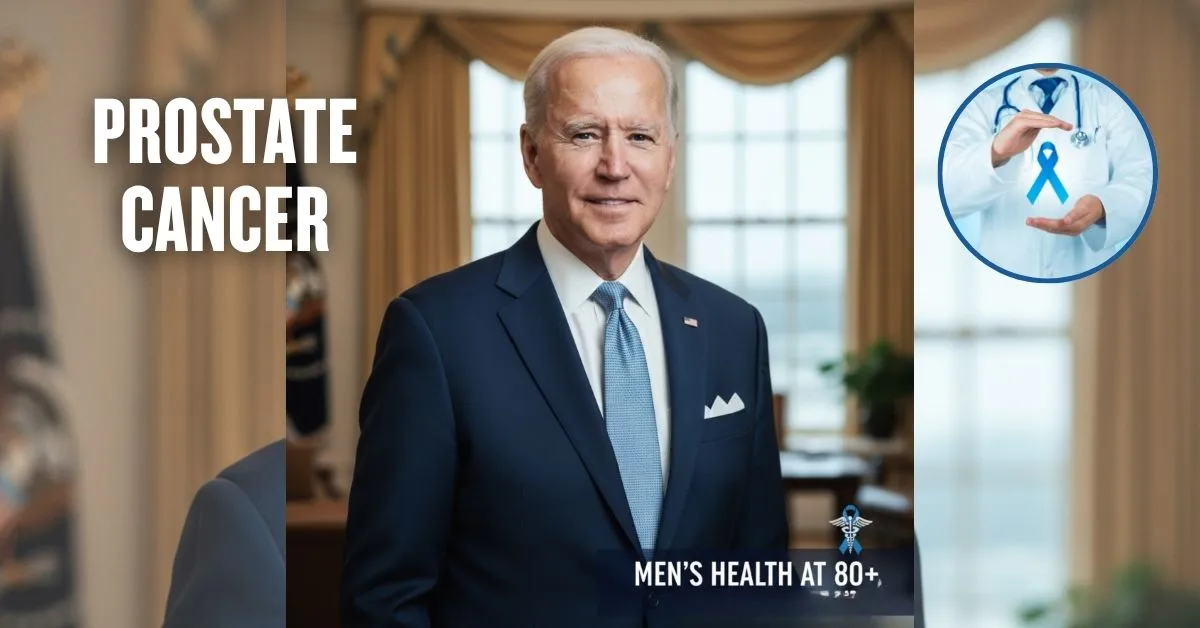
Introduction: A Wake-Up Call for Men’s Health
When news broke that Joe Biden, 82, had been diagnosed with an aggressive form of prostate cancer, it reminded millions that even the most powerful men are not immune to silent health risks. According to the American Cancer Society, prostate cancer affects nearly 1 in 8 men in the U.S., and risk rises sharply after age 65.

While headlines focus on Biden’s treatment — involving hormone therapy and radiation — the deeper message is about awareness, prevention, and lifestyle. His journey highlights what every man should know about aging healthily, staying active, and catching disease before it turns serious.
Understanding Prostate Cancer and Aging
Prostate cancer begins when cells in the prostate gland grow uncontrollably. It’s the second most common cancer among American men, and early detection dramatically improves survival rates.
| Key Risk Factors | Why It Matters |
|---|---|
| Age (50+) | Risk increases significantly after 50. |
| Family History | Genetic mutations (like BRCA1/2) raise susceptibility. |
| Diet | High intake of processed meat and low-fiber diets correlate with higher risk. |
| Lifestyle | Sedentary behavior contributes to hormonal imbalance and inflammation. |
Dr. Peter Carroll, a leading urologic oncologist at UCSF, explains:
“The real challenge isn’t just cancer detection — it’s teaching men how to manage health proactively as testosterone, muscle mass, and recovery all decline with age.”
Lessons from Biden’s Case: Awareness, Screening & Strength
Joe Biden’s diagnosis underscores a critical truth — early screening saves lives.
Most men avoid PSA (Prostate-Specific Antigen) testing or digital rectal exams until symptoms appear. By then, treatment is more aggressive and recovery harder.
Key Takeaways for Men Over 50
- Schedule annual checkups including PSA and testosterone levels.
- Monitor urinary changes, fatigue, or bone discomfort.
- Discuss family history openly with your doctor.
- Avoid “wait and see” attitudes — proactive care extends both lifespan and quality of life.

Nutrition and Diet Strategies for Prostate Health
Your plate may be your best defense. Modern research links plant-rich diets and anti-inflammatory foods to lower prostate cancer risk.
| Protective Foods | Why They Work |
|---|---|
| Tomatoes & Lycopene | Natural antioxidant that may slow cancer growth. |
| Green Tea | Polyphenols inhibit cancer cell proliferation. |
| Flaxseed | High in lignans that may balance hormones. |
| Cruciferous Vegetables | Sulforaphane supports detoxification pathways. |
“Men often overlook fiber,” says Dr. Andrew Weil. “A high-fiber diet doesn’t just improve gut health — it reduces systemic inflammation linked to cancer.”
Avoid excessive alcohol, processed meats, and high-fat dairy. Instead, follow a Mediterranean-style eating pattern emphasizing fish, olive oil, legumes, and colorful produce.
Fitness Beyond 70: Movement as Medicine
Even at 80, maintaining muscle mass and cardiovascular endurance is possible — and essential. Exercise regulates hormones, improves immune defense, and supports healthy aging.
Recommended Weekly Routine
| Activity Type | Frequency | Examples |
|---|---|---|
| Cardio | 3–4 days/week | Brisk walking, cycling, swimming |
| Strength Training | 2–3 days/week | Bodyweight, resistance bands, light weights |
| Flexibility & Balance | Daily | Stretching, yoga, tai chi |
Harvard researchers found men who performed resistance training twice a week had a 30% lower cancer mortality rate than inactive peers.

Mental Strength and Recovery
A cancer diagnosis — even when treatable — challenges mental health.
Mindfulness, community support, and a positive mindset can reduce stress hormones that worsen inflammation. Biden’s public composure reminds us that emotional resilience is as vital as physical care.
Consider practices like:
- Daily meditation or prayer (5–10 minutes)
- Journaling or gratitude lists
- Joining men’s health groups or survivor networks
Actionable Checklist: Men’s Health at 50–80+
✅ Annual medical screening (PSA, cholesterol, blood sugar)
✅ Prioritize sleep: 7–8 hours for hormonal repair
✅ Keep a 2:1 ratio of plant to animal foods
✅ Engage in moderate daily activity (30 minutes minimum)
✅ Hydrate — aim for at least 2.5 liters/day
✅ Reduce stress via social connection or hobbies
✅ Avoid smoking and excess alcohol
Frequently Asked Questions
1. Does exercise reduce prostate cancer risk?
Yes. Physical activity helps regulate hormones and improve immune surveillance, reducing risk.
2. Can prostate cancer be prevented entirely?
Not always — genetics play a role. But lifestyle, screening, and nutrition significantly lower risk.
3. Should men over 70 still lift weights?
Absolutely. Strength training supports bone density, metabolism, and hormone balance at any age.
4. Is prostate cancer a death sentence?
No. When detected early, survival exceeds 97% at five years.
Conclusion: Turning Awareness into Action
Joe Biden’s diagnosis has reignited conversations about men’s health, aging, and proactive wellness. His story is a reminder that health isn’t about avoiding disease — it’s about building habits that defend against it long before symptoms appear.
For men in their 50s, 60s, or beyond, now is the time to take charge — with fitness, nutrition, and preventive care as your foundation for strength and longevity.