
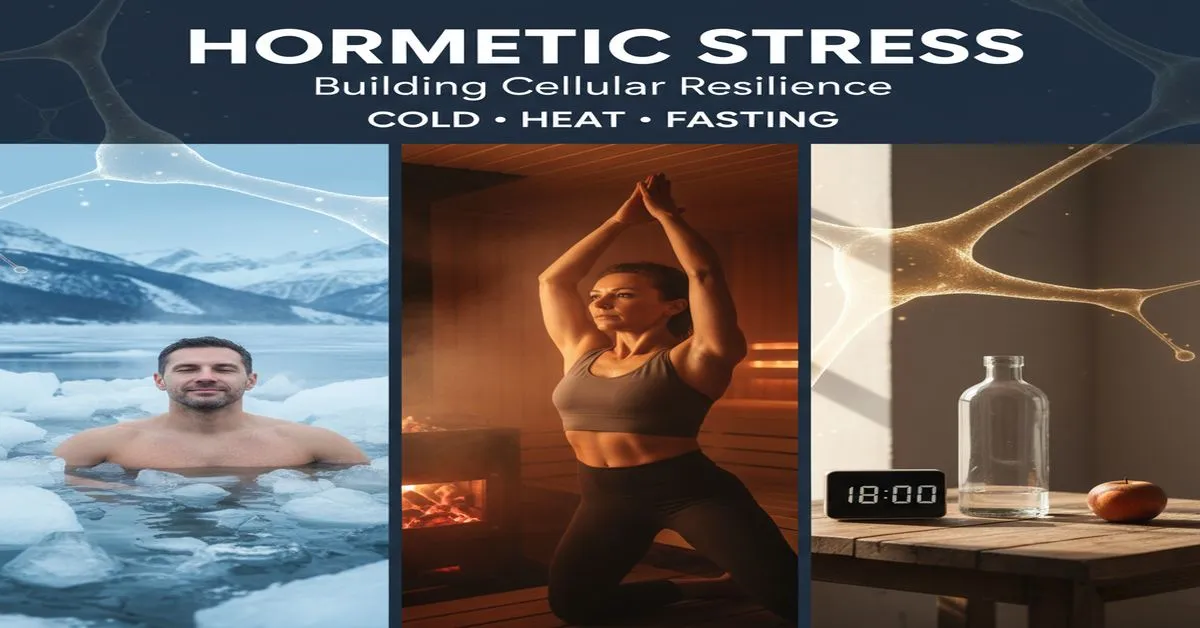
Introduction: The Power of Hormetic Stress
Hormetic stress—often called “good stress”—refers to short, controlled exposure to physical or environmental challenges that strengthen the body’s resilience. Unlike chronic stress, which damages health, hormetic stress improves recovery, energy production, immunity, and longevity.
In the U.S., more people are embracing cold plunges, saunas, and intermittent fasting to boost performance and longevity. Science supports these trends: small doses of stress stimulate cellular repair mechanisms, improving how the body adapts to future challenges.
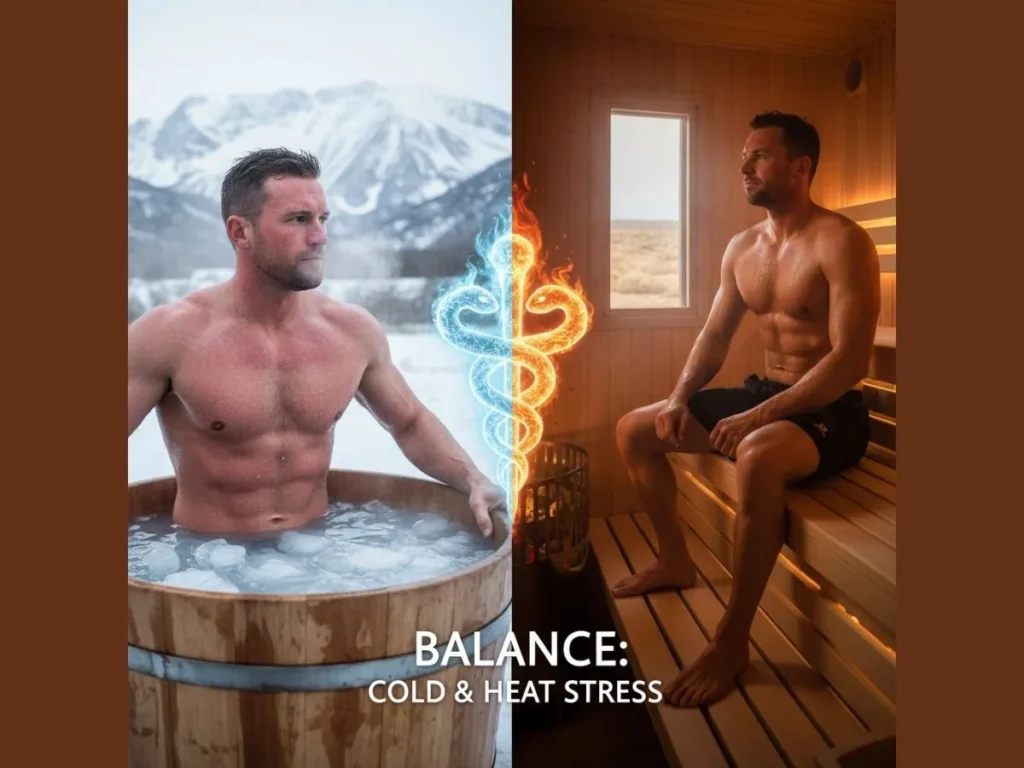
What Is Hormesis and Why It Matters
Hormesis describes the biological phenomenon where low doses of a stressor trigger beneficial adaptive responses. Think of it like exercise: muscles only grow stronger after being challenged. Similarly, mild stress activates protective pathways that enhance energy production and cellular repair.
According to research published in Nature Aging (2023), hormetic stress increases mitochondrial efficiency, DNA repair, and antioxidant defense—all critical for slowing aging.
Key takeaway: Small, intentional stress can make you biologically younger.
The Science Behind Cellular Resilience
Every cell in the human body faces oxidative stress and damage daily. Hormetic practices like fasting or cold exposure activate heat shock proteins, AMPK, and sirtuins—molecular guardians that repair damage and improve metabolic flexibility.
Statistic: Studies show a 25–35% increase in cellular NAD+ activity and antioxidant capacity after consistent hormetic stress exposure (Harvard Medical School, 2024).
Types of Hormetic Stressors
Cold Exposure
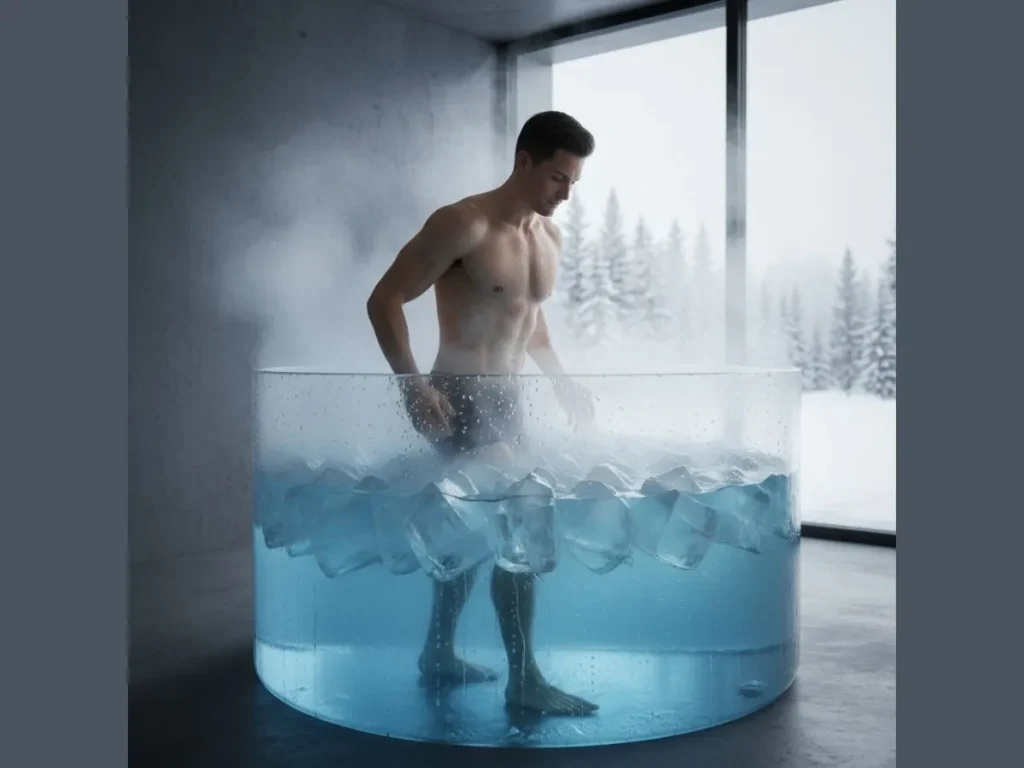
Short, repeated cold exposure—like ice baths or cold showers—triggers norepinephrine release, boosts mood, and activates brown fat for energy metabolism.
Benefits:
- Improved fat oxidation and metabolism
- Enhanced recovery and reduced inflammation
- Better mental alertness
How to Start:
Begin with 30–60 seconds of cold shower endings and gradually increase exposure.
Heat Therapy
Saunas and heat exposure mimic cardiovascular exercise by raising core temperature and improving blood flow.
Benefits:
- Improved heart health and circulation
- Detoxification through sweating
- Enhanced growth hormone levels
A Finnish longitudinal study (2018) found that regular sauna use 4–7 times per week reduced all-cause mortality by 40%.

Fasting
Intermittent fasting is one of the most researched hormetic interventions. It induces mild metabolic stress, prompting the body to recycle damaged cells through autophagy.
Benefits:
- Improved insulin sensitivity
- Reduced inflammation
- Increased longevity markers
Tip: Start with a 14–16 hour fasting window and build tolerance over time.
Benefits of Hormetic Stress for the Body and Brain
| System | Benefit | Mechanism |
|---|---|---|
| Metabolic | Improved insulin sensitivity | AMPK activation |
| Cellular | Enhanced repair & detoxification | Autophagy & sirtuins |
| Nervous System | Better focus, reduced anxiety | Norepinephrine surge |
| Muscular | Faster recovery post-workout | Reduced inflammation |
| Immune | Enhanced resistance to illness | Adaptive stress proteins |
Actionable Hormetic Strategies for Everyday Life
- Cold Shower Challenge: End your shower with 60 seconds of cold water daily.
- Infrared Sauna Routine: Use heat therapy 3–4 times weekly for 20 minutes.
- Fasting Window: Adopt a 16:8 or 18:6 eating pattern.
- Exercise Intensity Alternation: Mix strength training with low-intensity cardio.
- Sleep Optimization: Combine hormesis with proper sleep for recovery.
Practical Checklist for Hormetic Lifestyle Optimization
- Cold exposure 3–5x weekly
- Sauna or heat therapy sessions 2–4x weekly
- Fasting 2–4x per week
- Regular physical training
- Prioritize sleep (7–9 hours nightly)
- Manage stress with mindfulness
Expert Insights on Hormesis
“Short, intentional stress exposures train your biology to adapt, repair, and thrive. The future of longevity medicine is adaptive resilience, not comfort,” says Dr. Marcus Leland, Cellular Biologist, Stanford University.
“Fasting, heat, and cold are nature’s free medicines—if used wisely,” adds Dr. Ellen Rivera, Integrative Medicine Specialist.
Common Myths & FAQ
Q1: Is hormetic stress safe for everyone?
A: Generally yes, but individuals with heart conditions or metabolic disorders should consult a physician before starting cold or heat therapies.
Q2: Can overdoing it cause harm?
A: Yes. Chronic exposure (too frequent ice baths or extreme fasting) can lead to burnout or hormonal imbalances.
Q3: How soon can results appear?
A: Within weeks—users report better energy, focus, and sleep.
Q4: Is hormesis better than exercise?
A: It complements exercise. Combined, both enhance longevity and resilience.
Authoritative Resources
- Harvard Medical School – Cellular Resilience & Stress Research
- National Library of Medicine – Hormesis Against Aging and Diseases
- PubMed – Effects of Heat and Cold on Longevity
Other Interesting Article
Conclusion & Call-to-Action
Hormetic stress isn’t punishment—it’s training for your cells. Through cold, heat, and fasting, you can activate your body’s innate repair systems, enhance metabolic flexibility, and build true resilience from within.
Next Step: Start small. Introduce one hormetic habit this week—whether it’s a cold shower or a skipped breakfast—and gradually expand your resilience toolkit for lifelong vitality.