
1. Introduction: What Are Exercise Snacks?
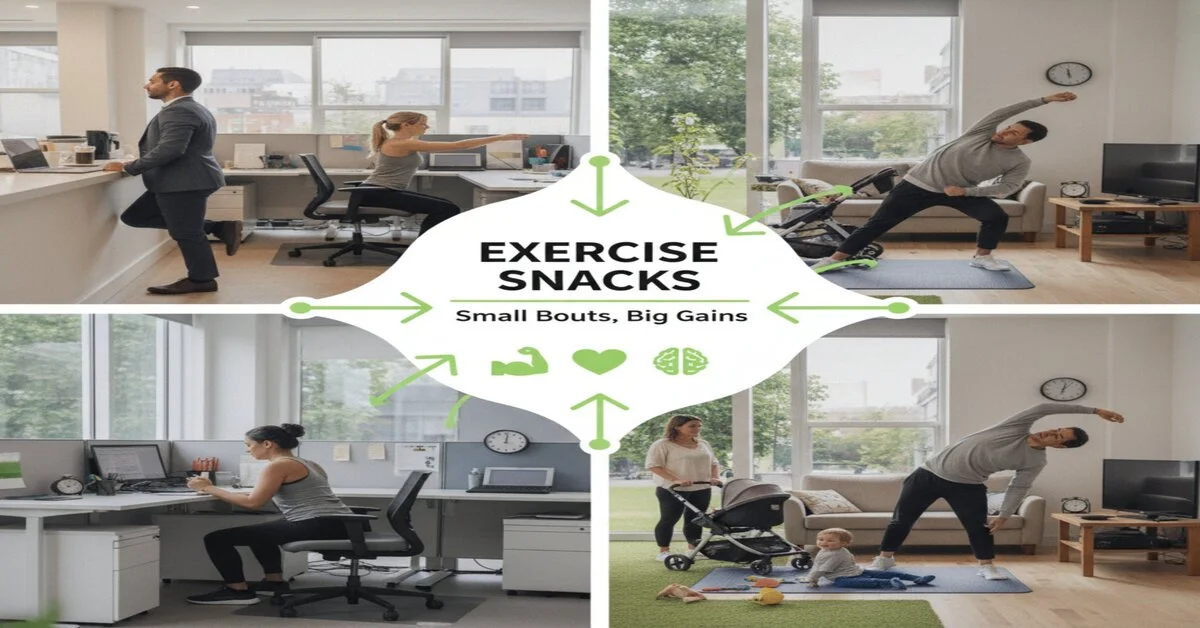
Exercise snacks are short, frequent bouts of physical activity performed throughout the day, usually lasting 5–15 minutes. Unlike traditional workouts, exercise snacks don’t require a dedicated gym session and can be incorporated into work breaks, morning routines, or household chores.
In the U.S., over 25% of adults report not meeting weekly physical activity recommendations. Exercise snacks provide an accessible, sustainable approach to increase daily movement without major schedule disruption.
2. The Science Behind Short, Frequent Movement
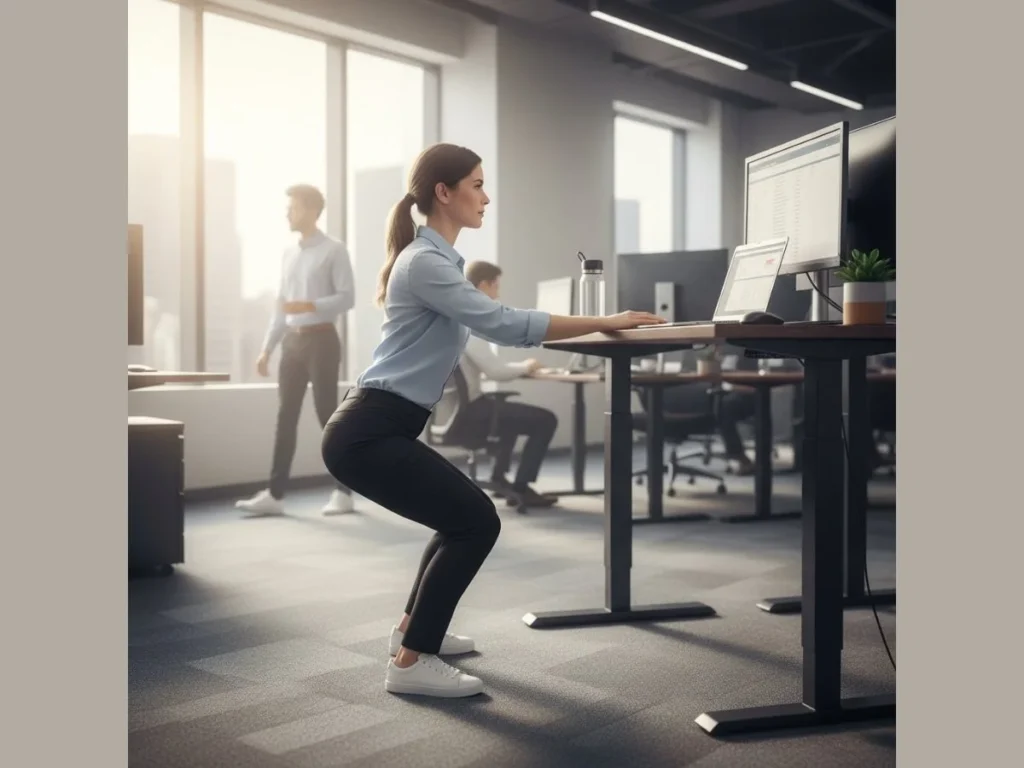
Studies show that even brief bouts of activity can significantly improve cardiovascular health, glucose metabolism, and musculoskeletal function. Key physiological mechanisms:
- Muscle Activation: Frequent contraction improves microvascular circulation.
- Insulin Sensitivity: Short bursts reduce post-meal glucose spikes.
- Energy Expenditure: Cumulative calorie burn adds up without a continuous 30–60 min session.
Statistic: Adults performing three 10-minute bouts of moderate activity daily had similar cardiovascular benefits as those completing a single 30-minute session (American Heart Association, 2022).
3. Key Benefits of Exercise Snacks
Cardiovascular Health
Regular short movement improves heart rate variability, reduces blood pressure, and supports overall vascular function.
Metabolic Boost & Weight Management
Frequent activity stimulates metabolism and increases total daily energy expenditure, helping maintain weight and reduce visceral fat.
Mental Clarity & Focus
Short activity breaks improve cognitive performance, reduce mental fatigue, and enhance mood — ideal for remote workers or long office hours.
4. How to Implement Exercise Snacks in Daily Life
- Morning Kickstart: 5–10 min of dynamic stretching or bodyweight squats before starting the day.
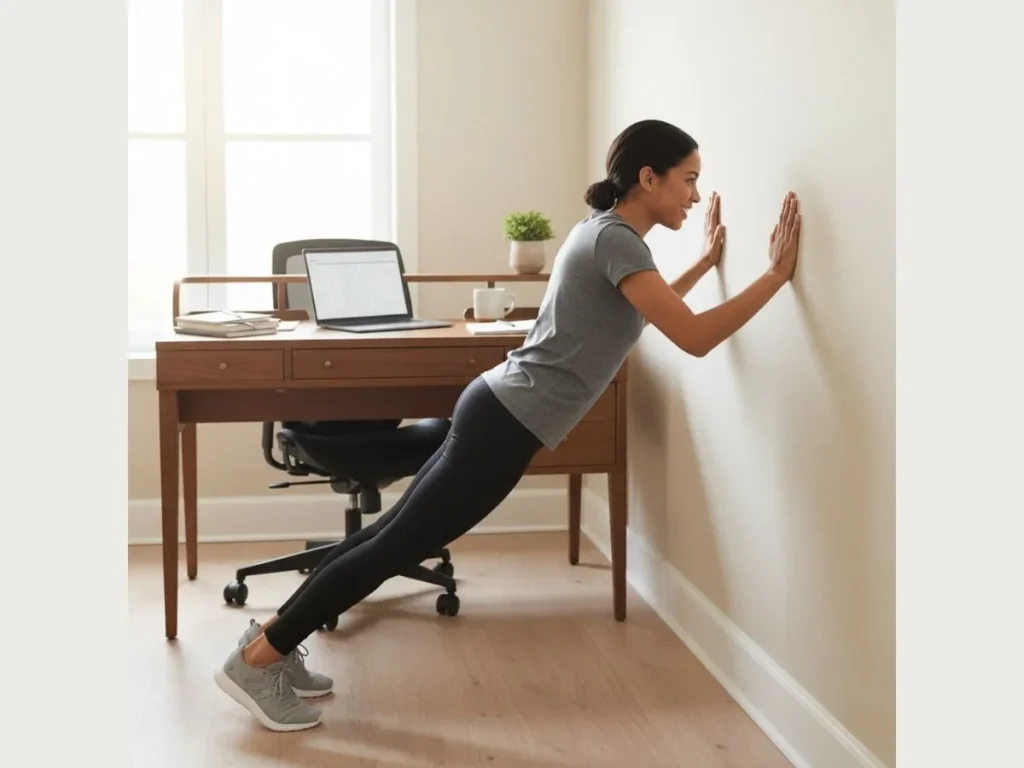
- Desk Breaks: Every 60–90 minutes, stand, march, or perform mini-lunges.
- Post-Meal Movement: Light walks or stair climbing after lunch helps control glucose spikes.
- Evening Wind-Down: Gentle mobility or yoga sequences before bed improve circulation and recovery.
5. Sample Exercise Snack Routines
5–10 Minute Routines:
| Focus | Moves | Reps/Time |
|---|---|---|
| Cardio Boost | Jumping jacks, high knees | 1 min each × 2 rounds |
| Strength | Bodyweight squats, push-ups | 10–12 reps each × 2 |
| Mobility | Cat-cow, hip circles, shoulder rolls | 5 min total |
| Core | Plank, bird-dog | 30–45 sec each × 2 rounds |
| Mixed | Stair climbs + wall sits | 5–10 min |
6. Equipment-Free vs. Gym-Based Options
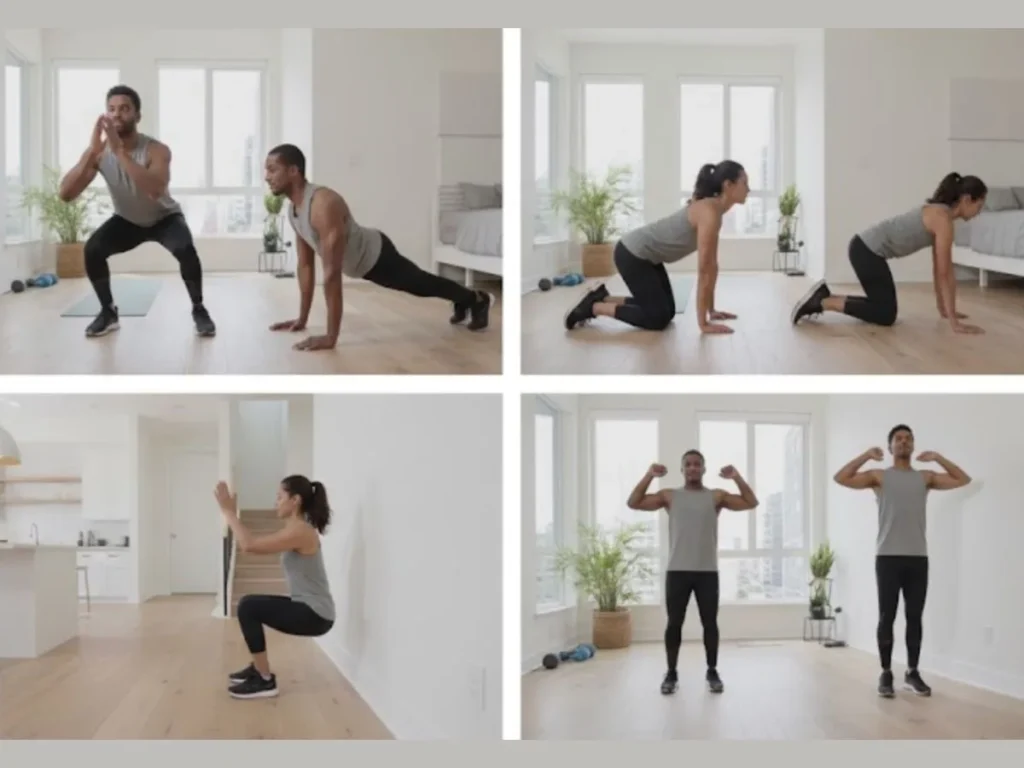
- Equipment-Free: Perfect for office, home, or travel. Includes squats, push-ups, planks, lunges, step-ups.
- Gym-Based: Incorporates kettlebells, resistance bands, rowing machines, or cycling. Can also be done in micro-sessions like 3–5 min high-intensity intervals.
7. Practical Checklist: Start Your Exercise Snack Routine
- Schedule 3–5 mini-sessions daily (5–15 minutes each)
- Use phone alarms or calendar reminders
- Track daily steps and calories burned
- Include variety: cardio, strength, mobility
- Start small and gradually increase intensity
8. Exercise Snacks Table: 5–10 Minute Moves
| Exercise | Focus | Duration |
|---|---|---|
| Jumping Jacks | Cardio | 1 min |
| Wall Sit | Lower Body Strength | 45 sec |
| Plank | Core Stability | 30 sec |
| Stair Climb | Cardio + Legs | 2 min |
| Push-Ups | Upper Body Strength | 10–12 reps |
| Cat-Cow | Mobility | 1–2 min |
9. Expert Insights on Exercise Snacks
“Short bouts of movement are underrated but extremely effective for improving metabolic health and breaking prolonged sedentary periods,” says Dr. Angela Roberts, Exercise Physiologist.
“Exercise snacks are particularly useful for busy professionals who struggle to find a 30–60 minute workout window. Even small, consistent doses add up,” adds Dr. Michael Stern, MD, Fitness Researcher.
10. Common Myths & FAQ
Q1: Can 5–10 minutes really make a difference?
A: Yes — evidence shows cumulative bouts improve cardiovascular, metabolic, and cognitive health.
Q2: Do exercise snacks replace traditional workouts?
A: They complement but don’t fully replace structured strength training or endurance sessions.
Q3: Is intensity important?
A: Moderate-to-vigorous effort provides greater metabolic and cardiovascular benefits, but low-intensity movement is better than none.
Q4: Can children benefit?
A: Absolutely. Short, fun activity bursts increase energy, coordination, and reduce sedentary time.
11. Authoritative Resources
- American Heart Association — Physical Activity Guidelines
- Mayo Clinic — Exercise and Fitness Tips
- National Institute of Health — Benefits of Short Bouts of Exercise
12. Other Interesting Article on Fitoast
- Rucking & Weighted Walks: The Ultimate Guide for Strength & Endurance — Learn how short weighted walks improve muscular endurance and cardiovascular health.
13. Conclusion & Call-to-Action
Exercise snacks are a science-backed, practical solution for busy adults looking to improve energy, metabolism, and cardiovascular health. Small, frequent movements throughout the day add up to big results — no gym required.
Call to Action: Start today by scheduling three 5–10 minute exercise snacks into your daily routine. Track your energy, strength, and mood over two weeks and notice the cumulative effect. For a 4-week progressive exercise snack plan, subscribe to Fitoast’s fitness guide and optimize your daily movement.