
Introduction: The Rise of Ear Seeding in Modern Wellness
Facial puffiness has become a growing concern among Americans who juggle stress, irregular sleep, and high-sodium diets. In 2025, a surprising traditional practice is trending on Google searches, TikTok, and wellness blogs: ear seeding.
Often associated with Traditional Chinese Medicine (TCM), ear seeding is now marketed as a non-invasive, affordable, and accessible tool for facial de-puffing, stress relief, and holistic wellness.
What Is Ear Seeding?
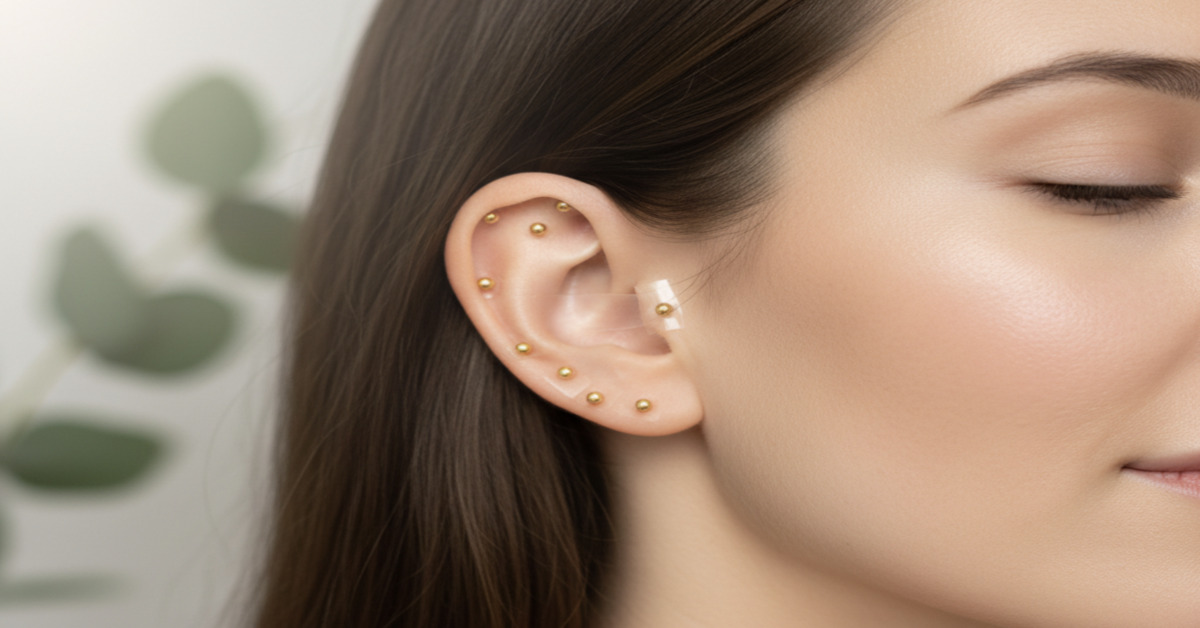
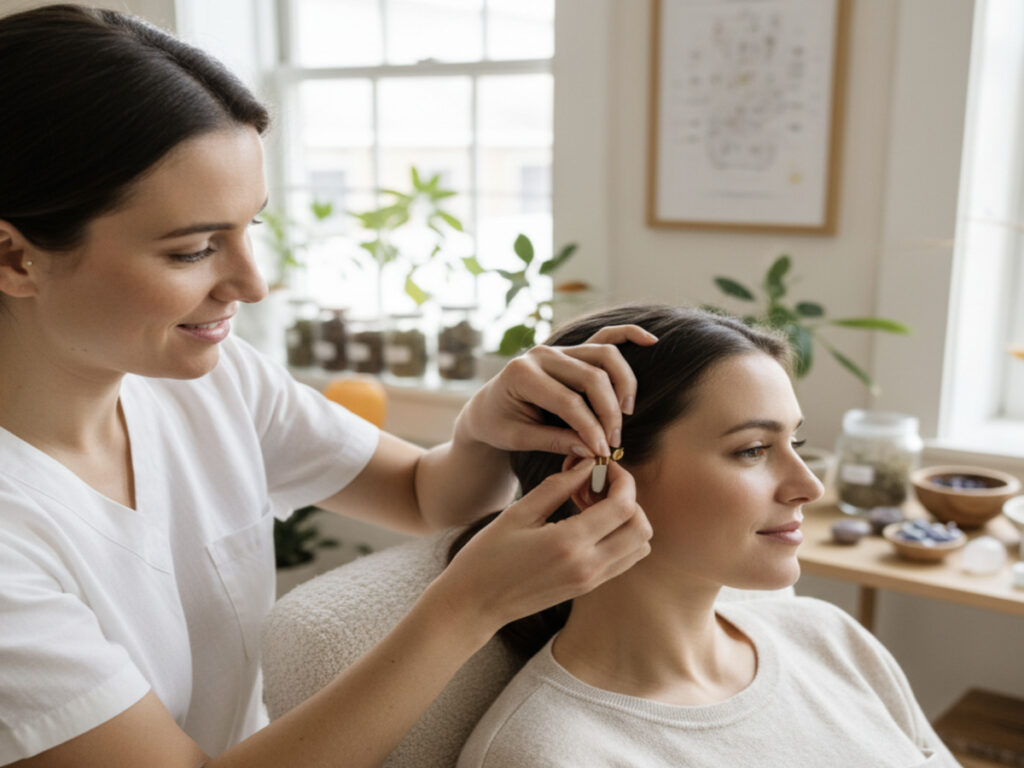
Ear seeding is a form of auriculotherapy, a practice where tiny seeds, beads, or crystals are placed on specific points of the ear. These points are believed to correspond to organs and systems in the body.
Traditionally, seeds from the vaccaria plant were used, but modern versions include gold beads, stainless steel, or Swarovski crystals for a more stylish touch.
By pressing on these seeds, users stimulate acupressure points, which can help with relaxation, energy balance, and targeted benefits like facial de-puffing.
The Traditional Roots: Auriculotherapy in Chinese Medicine
Auriculotherapy has been practiced in China for centuries. The theory is that the ear acts as a microsystem of the body, similar to how reflexology maps the feet.
- Ancient texts describe using ear stimulation to regulate energy flow (Qi) and support organ health.
- French physician Dr. Paul Nogier introduced auriculotherapy to Western medicine in the 1950s, linking ear points to neurological pathways.
How Ear Seeding Works for Facial De-Puffing
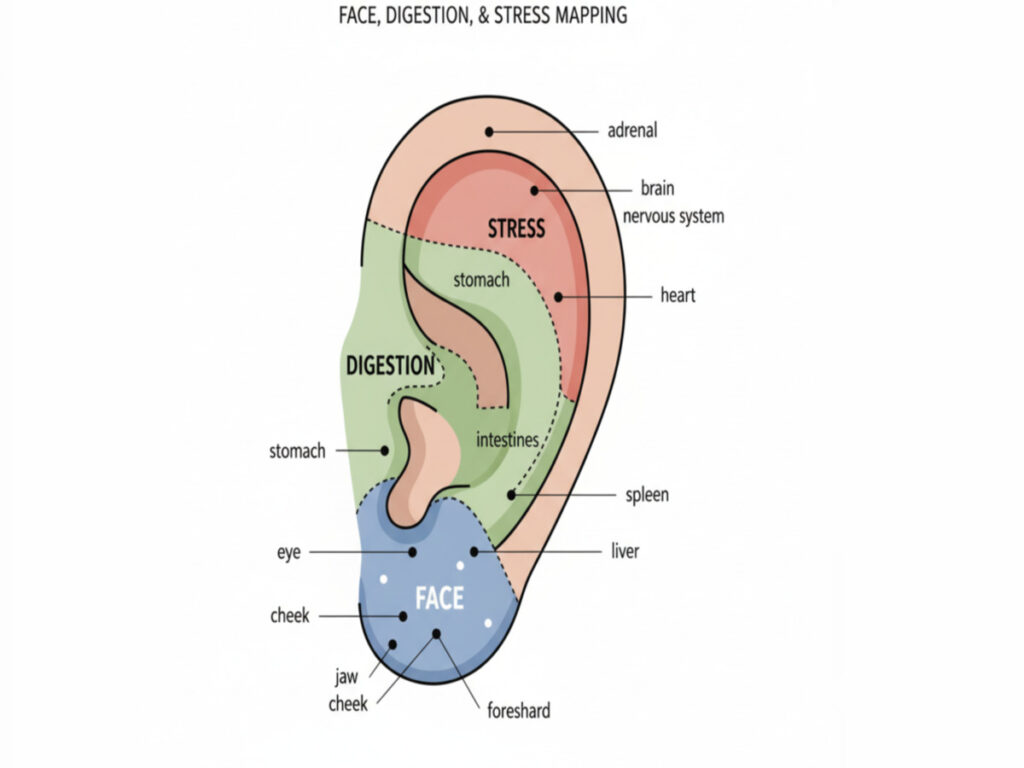
Facial puffiness often results from fluid retention and sluggish lymphatic drainage. Stimulating ear points linked to circulation and digestion may:
- Improve lymphatic flow
- Support kidney and liver function (organs tied to fluid balance in TCM)
- Reduce inflammation that contributes to swelling
Many wellness practitioners recommend pressing the seeds 2–3 times a day for 15–30 seconds to activate benefits.
Key Benefits of Ear Seeding
1. Facial De-Puffing and Lymphatic Drainage
Regular use is believed to stimulate acupressure points that support lymphatic detoxification, reducing puffiness in the face and under eyes.
2. Stress Reduction
Ear points connected to the vagus nerve may help calm the nervous system, reducing cortisol and stress-related bloating.
3. Better Sleep and Mood Balance
Stimulation of certain ear points may support melatonin release and promote deeper rest.
4. Appetite Control and Weight Support
Some points are linked to digestion and appetite suppression, making ear seeding popular in weight management programs.
Statistic: A 2024 wellness survey by Global Wellness Institute found that 32% of U.S. adults had tried ear seeding or similar acupressure-based therapies for cosmetic or stress-related benefits.
Step-by-Step: How to Try Ear Seeding at Home
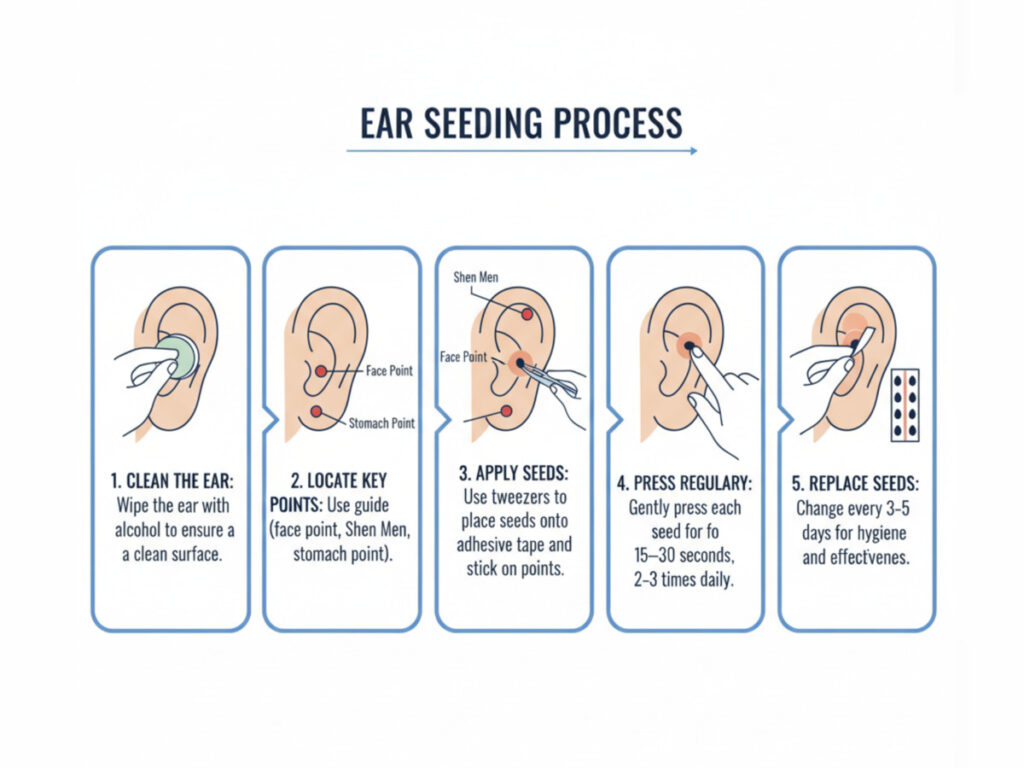
- Clean the Ear: Wipe the ear with alcohol to ensure a clean surface.
- Locate Key Points: Use a guide (face point, Shen Men, stomach point).
- Apply Seeds: Use tweezers to place seeds onto adhesive tape and stick on points.
- Press Regularly: Gently press each seed for 15–30 seconds, 2–3 times daily.
- Replace Seeds: Change every 3–5 days for hygiene and effectiveness.
Tools and Materials Required
- Vaccaria plant seeds or stainless steel beads
- Medical-grade adhesive tape
- Tweezers
- Ear map chart
- Alcohol wipes
Risks and Safety Considerations
- Skin irritation: Adhesives may cause rashes.
- Overuse: Too much pressure may lead to soreness.
- Not a medical substitute: Ear seeding should never replace diagnosis or treatment for medical conditions.
Expert Quote:
“Ear seeding is safe when practiced responsibly, but it’s a complementary tool—not a cure-all,” says Dr. Linda Wong, Licensed Acupuncturist, UCLA Center for East-West Medicine.
Ear Seeding vs. Other Facial De-Puffing Methods
| Method | How It Works | Benefits | Limitations |
|---|---|---|---|
| Ear Seeding | Acupressure stimulation | Whole-body + facial | Needs correct placement |
| Gua Sha | Facial massage | Lymphatic drainage | Requires skill, daily use |
| Ice Rollers | Cold therapy | Temporary puff reduction | Short-lasting effects |
Actionable Checklist for Beginners
- Use only sterile tools and quality seeds/beads
- Follow a verified ear map chart
- Apply seeds to 3–5 points max to avoid overstimulation
- Replace every few days
- Track improvements with before-and-after photos
Scientific Research on Ear Seeding
While evidence for facial de-puffing is still emerging, research supports auriculotherapy’s effects on stress and weight management.
- A 2023 meta-analysis in Journal of Alternative and Complementary Medicine found ear acupressure effective in reducing anxiety and insomnia.
- A Korean clinical trial (2022) reported significant reduction in facial edema among post-surgery patients using auriculotherapy points.
Expert Quotes on Auriculotherapy
- Dr. Mei Zhang, Integrative Medicine Researcher, Johns Hopkins:
“Auriculotherapy bridges traditional Chinese wisdom with modern neuroscience by engaging nerve pathways that regulate stress and inflammation.” - Sarah Kim, Licensed Acupuncturist, New York City:
“Patients using ear seeds often report subtle but consistent improvements in puffiness, mood, and sleep within two weeks.”
FAQ Section
Q1: How long should I wear ear seeds?
A: Typically 3–5 days before replacing.
Q2: Can ear seeding slim the face?
A: It may reduce puffiness, but it doesn’t alter bone structure.
Q3: Is ear seeding painful?
A: No, it’s painless. Some users feel mild pressure.
Q4: Can I combine ear seeding with facials or Gua Sha?
A: Yes, many practitioners recommend combining therapies for better results.
Authoritative Resources
- Mayo Clinic – Acupuncture and Acupressure Overview
- Cleveland Clinic – Auriculotherapy Information
- NIH – National Center for Complementary and Integrative Health
- Johns Hopkins Medicine – Integrative Medicine Resources
Conclusion & Call-to-Action
Ear seeding blends ancient wisdom with modern wellness trends, offering a non-invasive and affordable way to manage facial puffiness, stress, and mood. While it’s not a replacement for professional care, it can be a valuable self-care ritual in today’s fast-paced lifestyle.
👉 Next Step: If you’re curious, try ear seeding under the guidance of a certified acupuncturist—or experiment at home using reliable ear maps and high-quality materials.