
Introduction
If you’ve been feeling constantly distracted, unmotivated, or emotionally “flat,” you’re not alone. A growing number of Americans—especially those immersed in digital, high-stimulation lifestyles—are quietly facing dopamine deficit, a condition in which the brain’s reward system becomes desensitized due to chronic overstimulation.
From endless scrolling on TikTok to overconsumption of caffeine, dopamine burnout is becoming the hidden epidemic behind poor focus, anxiety, and lack of drive. Understanding this modern neurochemical imbalance can help reclaim motivation, energy, and genuine satisfaction.
What Is Dopamine and Why It Matters
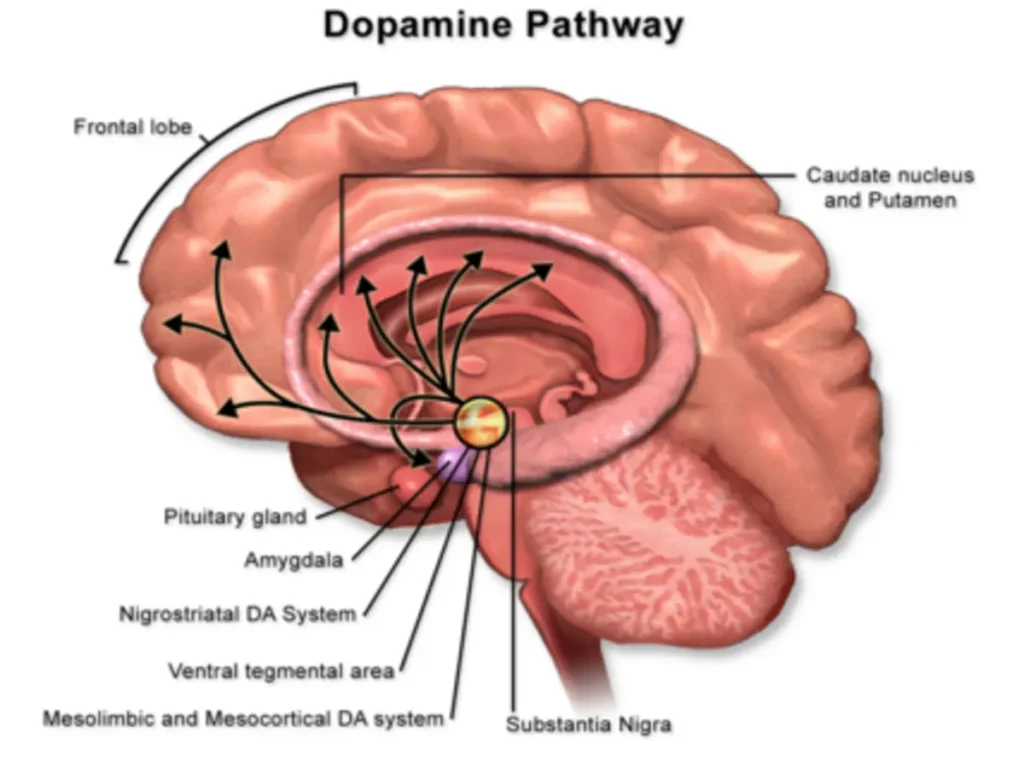
Dopamine is a neurotransmitter responsible for motivation, reward, and reinforcement learning. It helps drive us toward goals, fuels creativity, and rewards us with a sense of pleasure when we achieve something meaningful.
However, the problem arises when instant dopamine hits—from digital notifications, processed foods, or even excessive multitasking—flood the system too often. Over time, the brain downregulates dopamine receptors, meaning it takes much more stimulation to feel the same reward.
Suggested Image Placement:
The Digital Age Dopamine Trap
Modern life has rewired our brains to constantly seek novelty and instant gratification. Here’s how everyday habits create dopamine burnout:
| Habit | Dopamine Impact | Long-Term Effect |
|---|---|---|
| Constant phone checking | Frequent mini dopamine spikes | Desensitization and short attention span |
| Binge-watching or gaming | Sustained dopamine elevation | Reduced natural motivation |
| Processed sugar and caffeine | Quick dopamine boost | Crash cycles, fatigue |
| Social media likes | Artificial reward triggers | Anxiety, comparison-driven stress |
According to research from Stanford University (2024), dopamine release from social media engagement mimics the same neural pathways activated by gambling—reinforcing the addiction loop.
Symptoms of a Dopamine Deficit
Recognizing dopamine deficiency can be tricky because it mimics fatigue, burnout, or mild depression. Common symptoms include:
- Lack of motivation and interest in previously enjoyable activities
- Difficulty focusing or finishing tasks
- Feeling “flat,” emotionally unresponsive
- Reliance on stimulants (coffee, sugar, scrolling) to feel “normal”
- Low libido or lack of reward satisfaction

The Science Behind Reward System Burnout
When dopamine spikes too frequently, the brain reduces receptor sensitivity—a protective mechanism against overstimulation. This process, called dopamine downregulation, leads to reward desensitization.
In other words, what once felt exciting (a new project, exercise, socializing) now feels dull. This creates a cycle where individuals seek stronger stimuli (like sugar, caffeine, or digital media) to feel normal—worsening the imbalance.
A 2023 Harvard Medical School review linked chronic overstimulation to “hedonic fatigue,” a term describing reduced capacity for pleasure in everyday life.
How to Restore Dopamine Balance Naturally
1. Dopamine Detox (Digital Reset)
A 24–48-hour break from social media, streaming, and constant notifications allows dopamine receptors to resensitize. Start with screen-free mornings or “tech sabbaths” once a week.
2. Prioritize Deep Rewards
Replace instant gratification with effort-based satisfaction—exercise, cooking, journaling, learning. These build sustainable dopamine release and intrinsic motivation.
3. Optimize Sleep and Sunlight
Dopamine production peaks in the morning and is tied to circadian rhythm. Aim for early sunlight exposure and consistent sleep to support natural dopamine cycles.
4. Eat Dopamine-Supportive Foods
Tyrosine, an amino acid found in eggs, fish, poultry, and legumes, is a dopamine precursor. Add magnesium and vitamin B6-rich foods to support synthesis.
5. Move Daily
Exercise—especially zone 2 cardio and resistance training—boosts dopamine sensitivity and natural reward response without overstimulation.
6. Mindful Stimulation
Meditation, breathwork, and time in nature improve dopamine receptor density and emotional stability over time.
Benefits of Restoring Dopamine Balance
- Increased motivation and productivity
- Greater focus and cognitive clarity
- More stable energy throughout the day
- Improved emotional resilience
- Enhanced creativity and enjoyment of life
Expert Insight
“We’re living in an era of constant reward hijacking. True dopamine regulation is about retraining the brain to find satisfaction in sustained effort, not instant reward.”
— Dr. Andrew Huberman, Neuroscientist, Stanford University
Authoritative Resources
Other Interesting Article
Conclusion
The dopamine deficit isn’t just a personal issue—it’s a societal one. The modern reward system, driven by hyper-stimulation and instant gratification, is quietly draining motivation, creativity, and joy.
By intentionally rebalancing your dopamine—through rest, real connection, and meaningful effort—you can restore focus, drive, and the natural pleasure of being fully engaged in life again.
Call to Action
If you’ve been struggling with burnout, distraction, or low motivation, start a dopamine reset week—reduce screen exposure, prioritize effort-driven rewards, and reclaim your focus.
Read more evidence-based wellness insights at Fitoast.com for science-backed strategies to rebuild your energy, brain health, and motivation naturally.