
1. Introduction: Why Cycle Syncing Has Momentum
Cycle syncing is the practice of aligning training, nutrition, sleep and recovery with the phases of the menstrual cycle to better match physiology to behavior. It has moved from wellness trend to practical tool because it answers two simple problems many women face:
- Energy and performance fluctuate across the month.
- One-size-fits-all training and diet advice often fails women.
Used intelligently, cycle syncing is not about limiting activity; it’s about scheduling high-intensity work when your hormones support it and prioritizing recovery when they don’t. For many U.S. women — athletes and recreational exercisers alike — this approach reduces symptoms (cramps, PMS fatigue), improves training consistency and lowers injury risk.

Understanding the Menstrual Cycle Phases
The menstrual cycle typically spans 28 days and consists of four main phases—each marked by distinct hormonal fluctuations that influence metabolism, energy, mood, and recovery.
| Phase | Duration | Dominant Hormones | Physiological Focus |
|---|---|---|---|
| Menstrual | Days 1–5 | Low Estrogen & Progesterone | Fatigue, low energy, muscle recovery |
| Follicular | Days 6–14 | Rising Estrogen | Increased strength, motivation, fat metabolism |
| Ovulatory | Days 15–17 | Estrogen Peak | Best for high-intensity workouts, confidence, libido |
| Luteal | Days 18–28 | High Progesterone | Lower tolerance for heat and endurance; focus on recovery |
The Science Behind Cycle Syncing
Cycle syncing is rooted in the understanding that female physiology fluctuates weekly, unlike the male 24-hour hormonal pattern.
According to Dr. Stacy Sims, exercise physiologist and author of ROAR, “Women are not small men. Training, nutrition, and recovery should honor the female hormonal landscape.”
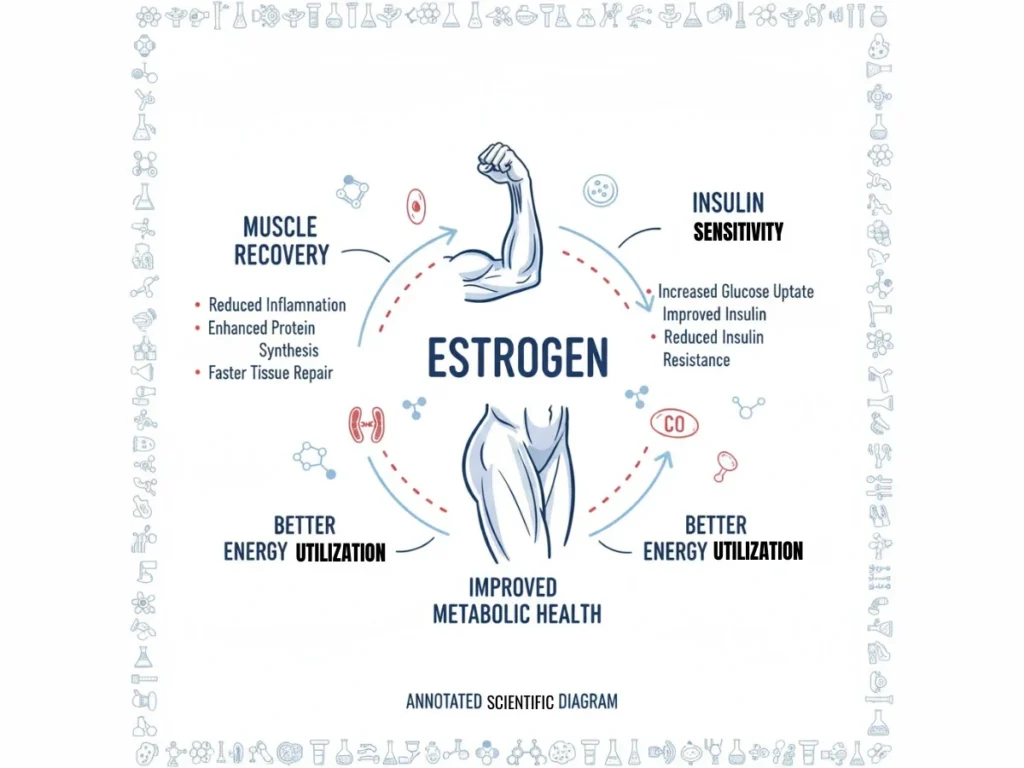
Research published in Frontiers in Physiology (2022) suggests that estrogen boosts muscle recovery and glucose uptake, while progesterone increases body temperature and fat oxidation—making specific training adjustments beneficial.
How Hormones Influence Energy and Performance
- Estrogen supports endurance, mood stability, and muscle repair.
- Progesterone increases catabolism (muscle breakdown) and water retention.
- The balance between these hormones determines how efficiently the body metabolizes carbs and fats.
When training is aligned with these shifts, women can:
- Reduce PMS symptoms
- Prevent overtraining fatigue
- Optimize nutrient utilization
- Improve sleep and recovery quality
Nutrition and Supplement Strategies by Cycle Phase
| Cycle Phase | Nutrition Focus | Key Foods & Supplements |
|---|---|---|
| Menstrual | Iron and magnesium-rich foods | Spinach, lentils, pumpkin seeds, dark chocolate |
| Follicular | Support muscle growth | Lean protein, complex carbs, creatine monohydrate |
| Ovulatory | Hydration and antioxidants | Berries, citrus fruits, omega-3s |
| Luteal | Support mood and reduce bloating | Complex carbs, vitamin B6, magnesium glycinate |
Expert Tip:
“Protein timing and omega-3 intake can reduce inflammation and improve luteal phase recovery,” says Dr. Gabrielle Lyon, a functional medicine physician.
Sample 4-Week Cycle Syncing Workout Plan
| Phase | Focus | Workout Type |
|---|---|---|
| Menstrual | Gentle movement | Yoga, walking, mobility work |
| Follicular | Strength and skill-building | Resistance training, HIIT, sprints |
| Ovulatory | Peak performance | PR testing, competitive training |
| Luteal | Active recovery | Pilates, moderate cardio, low-volume weights |
Common Myths About Cycle Syncing
- Myth: You can’t train hard during your period.
Truth: Light to moderate exercise may reduce cramps and improve mood. - Myth: Cycle syncing only matters for athletes.
Truth: Even sedentary women report better sleep and reduced bloating with phase-specific routines. - Myth: All women have a 28-day cycle.
Truth: Cycles vary from 21 to 35 days; personalization is key.
Expert Insights on Hormonal Optimization
“Tracking your cycle is as essential as tracking your macros or steps. It provides insight into recovery potential and energy peaks,”
says Dr. Lara Briden, author of The Period Repair Manual.
Modern health apps like Natural Cycles, Clue, and Wild.AI now use wearable data to help women sync training with hormonal changes for performance consistency.
Potential Risks and Limitations
Cycle syncing isn’t a magic bullet.
- Hormonal irregularities (like PCOS, endometriosis, or thyroid issues) can alter results.
- Over-focusing on “perfect syncing” may create stress or anxiety.
- Always confirm with a physician before modifying supplements or exercise routines.
Actionable Checklist for Getting Started
✅ Track your cycle using apps like Clue or Natural Cycles
✅ Log your energy, cravings, and mood daily
✅ Adjust workout intensity weekly
✅ Eat for hormonal balance (fiber, omega-3s, magnesium)
✅ Stay hydrated, especially during luteal phase
✅ Sleep 7–9 hours nightly to balance cortisol
FAQs
Q1: Can perimenopausal women benefit from cycle syncing?
Yes. Tracking patterns helps manage hormonal symptoms and tailor recovery-focused workouts.
Q2: How long before results show?
Most women notice improved energy and reduced PMS symptoms within 2–3 cycles.
Q3: Is birth control compatible with cycle syncing?
Not entirely. Synthetic hormones flatten natural fluctuations, so the syncing approach may need modification.
Authoritative Resources
- Frontiers in Physiology – “Hormonal Fluctuations and Exercise Performance”
- Dr. Stacy Sims – ROAR: How to Match Your Food and Fitness to Your Female Physiology
- American College of Sports Medicine (ACSM)
Other Interesting Article
Conclusion
Cycle syncing isn’t just a wellness buzzword—it’s an emerging, evidence-informed strategy that respects the complexity of female physiology.
By integrating training, nutrition, and recovery patterns with hormonal rhythms, women can reduce burnout, boost strength, and achieve sustainable well-being.
For long-term success: consistency, self-awareness, and listening to the body are more powerful than any app or supplement.
Call to Action
Want to start your own cycle-syncing plan?
Subscribe to Fitoast’s Wellness Insider for weekly science-backed insights, actionable checklists, and real-world fitness strategies designed for women optimizing health through awareness and smart training.