
Introduction
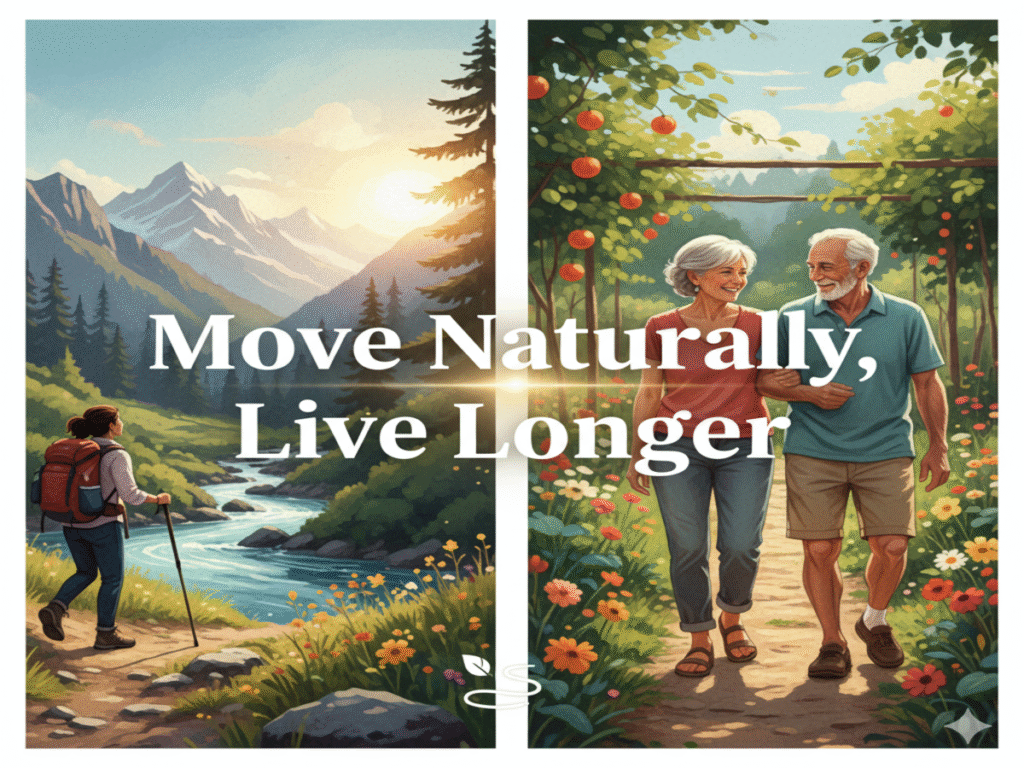
In 2025, fitness is not just about high-intensity training or gym memberships. Many Americans are looking toward the world’s Blue Zones—regions known for exceptional longevity—for lessons in sustainable, everyday fitness.
Rather than extreme exercise, Blue Zone fitness is grounded in natural movement, purposeful activity, and community engagement. This approach offers a model for a healthier, longer, and more active life for people across the U.S.
What Are Blue Zones?
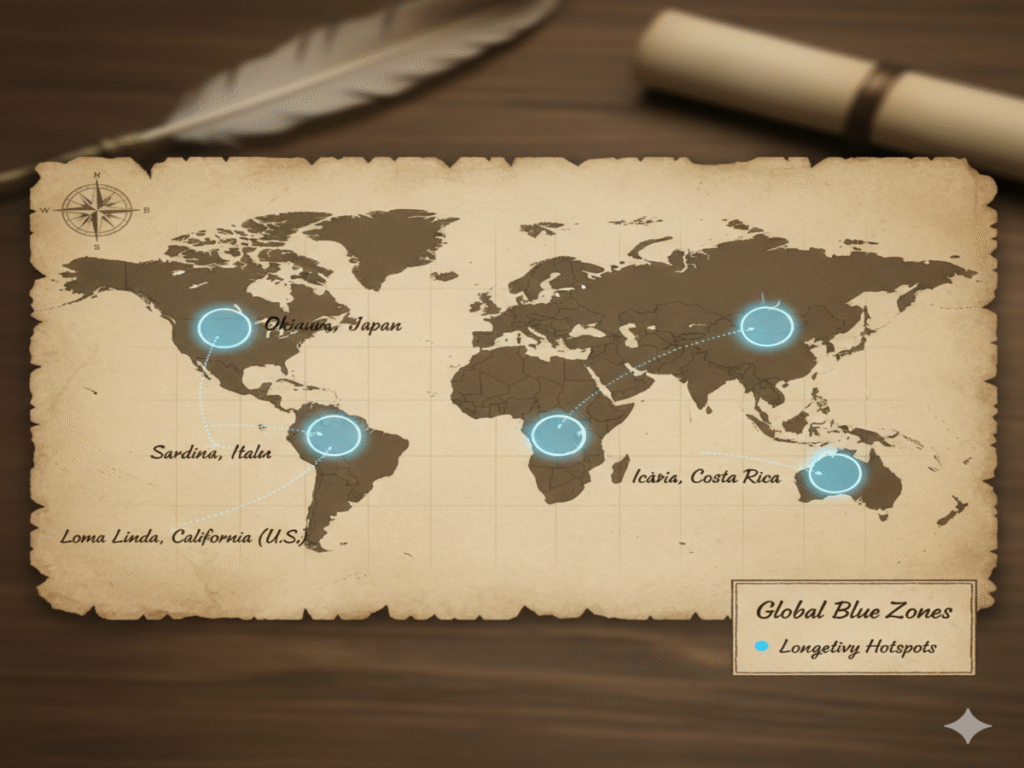
Blue Zones are five geographic regions identified by researchers where people live significantly longer and healthier lives:
- Okinawa, Japan
- Sardinia, Italy
- Nicoya, Costa Rica
- Icaria, Greece
- Loma Linda, California (U.S.)
Common traits include plant-based diets, strong social ties, daily movement, and stress reduction—all of which contribute to better longevity outcomes.
Why Americans Are Looking to Blue Zone Fitness in 2025
With chronic disease rates still high and obesity affecting more than 40% of U.S. adults (CDC, 2024), many Americans are exploring holistic ways to improve health. Blue Zone fitness resonates because:
- It emphasizes natural, everyday activity over intense gym routines.
- It promotes community and purpose, reducing loneliness and stress.
- It aligns with long-term sustainability, not short-term fitness fads.
The Science Behind Longevity and Daily Movement
Studies consistently show that:
- People who move naturally throughout the day live up to 7–10 years longer (NIH, 2023).
- Light, frequent activity reduces cardiovascular disease risk by 30%.
- Social engagement combined with physical activity lowers the risk of cognitive decline by nearly 40%.
Key Blue Zone-Inspired Fitness Habits
1. Walking as a Lifestyle
In all Blue Zones, walking is the most common form of daily exercise. Instead of treating walking as a workout, it’s built into daily routines—commuting, errands, and social visits.
How to adapt in the U.S.:
- Aim for 8,000–10,000 steps daily.
- Replace short car trips with walking.
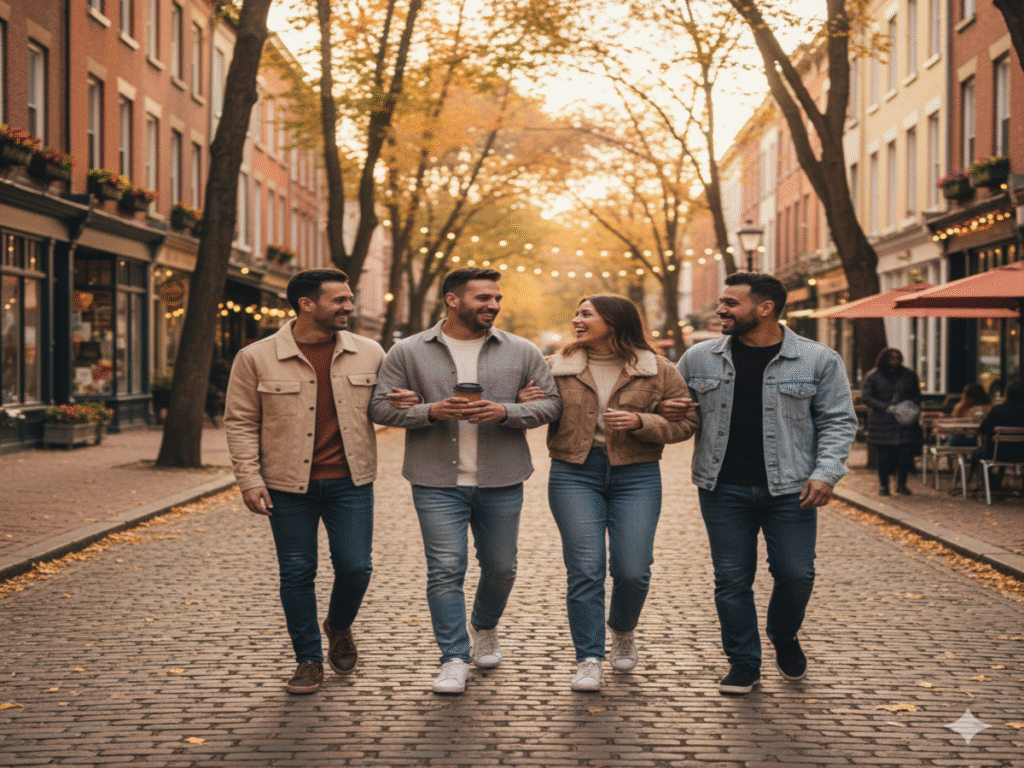
- Organize walking meetups with friends.
2. Functional Daily Movement
Blue Zone residents move throughout the day by cooking, cleaning, farming, or doing manual work. Unlike structured gym sessions, these activities build functional strength and mobility.
How to adapt in the U.S.:
- Do household chores manually (gardening, cleaning).
- Use stairs instead of elevators.
- Carry groceries as a form of strength training.
3. Community and Social Activity
Movement is often combined with social connection in Blue Zones—group walks, dancing, or community gatherings. This dual benefit supports both physical and emotional health.
How to adapt in the U.S.:
- Join group fitness classes.
- Participate in local walking clubs.
- Plan active outings with friends and family.
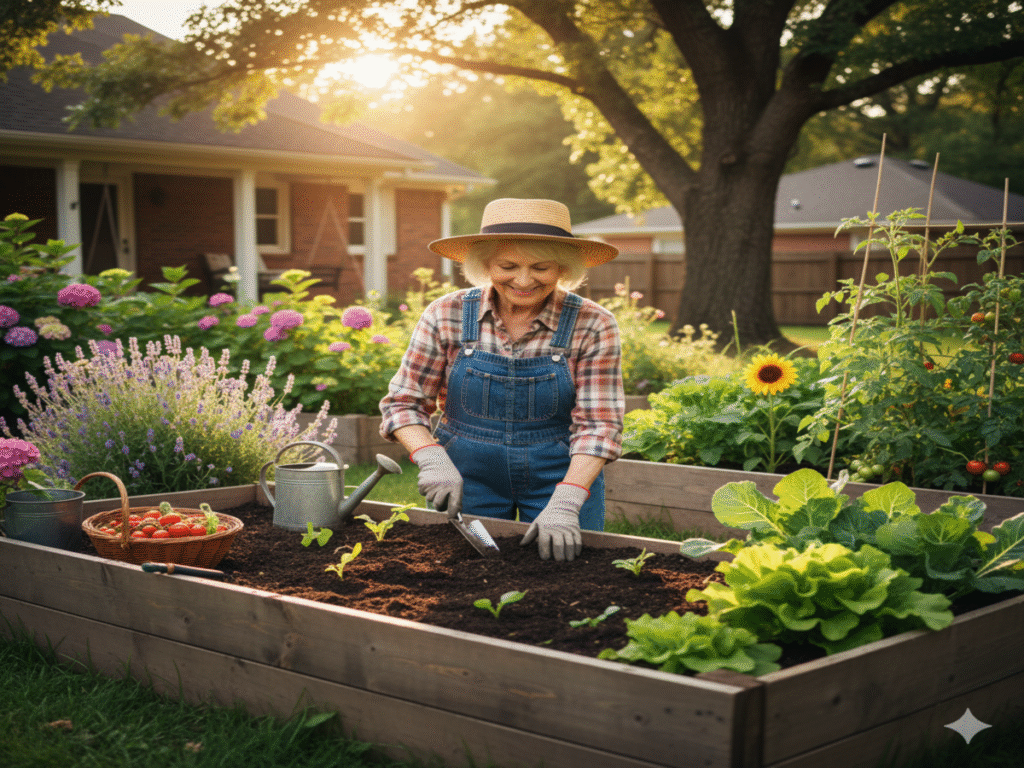
4. Gardening and Outdoor Labor
Gardening is not just about food—it keeps Blue Zone residents physically active, grounded in nature, and mentally relaxed.
How to adapt in the U.S.:
- Start a backyard or community garden.
- Try balcony container gardening if space is limited.
- Treat gardening as a natural workout combining squats, lifting, and stretching.
5. Purposeful Rest and Recovery
Blue Zone residents balance activity with rest, naps, and stress management. Recovery is crucial to maintaining long-term health.
How to adapt in the U.S.:
- Prioritize 7–8 hours of quality sleep.
- Practice mindfulness or light stretching before bed.
- Allow downtime after periods of activity.
Adapting Blue Zone Habits to American Life
| Blue Zone Habit | American Adaptation |
|---|---|
| Walking daily | Walk to work, errands, or during breaks |
| Gardening | Join local community gardens |
| Functional labor | Replace convenience tools with manual effort |
| Group activity | Participate in group classes or walking clubs |
| Rest & recovery | Adopt consistent sleep schedules and relaxation routines |
Blue Zone Fitness vs. Traditional U.S. Fitness Culture
| Aspect | Blue Zone Approach | Traditional U.S. Fitness |
|---|---|---|
| Activity | Daily natural movement | Structured gym sessions |
| Intensity | Low to moderate | Often high-intensity |
| Longevity | Designed for lifelong sustainability | Short-term performance goals |
| Community | Socially connected | Often individual-focused |
| Stress | Balanced with recovery | Sometimes ignored |
Expert Insights
Dr. Laura Simmons, Longevity Specialist:
“The lesson from Blue Zones is that fitness is not about how hard you push in the gym but how consistently you move throughout life.”
Coach Anthony Reed, Lifestyle Fitness Trainer:
“Americans can adopt Blue Zone practices without uprooting their lives. Start with walking, gardening, and adding social movement—it’s about sustainability.”
Key Statistics
- 42% of U.S. adults are obese (CDC, 2024).
- People in Blue Zones live 7–12 years longer on average compared to Americans (National Geographic Research).
- Daily walkers reduce all-cause mortality risk by 24% (Harvard Health, 2023).
FAQ Section
Q1: Do I need to move to a Blue Zone to benefit?
No, adopting the habits where you live can bring similar benefits.
Q2: Are Blue Zone workouts intense?
Not at all. They focus on steady, natural activity integrated into life.
Q3: Can younger Americans benefit from Blue Zone fitness?
Yes. Starting early builds resilience, but benefits are seen at any age.
Authoritative Resources
Actionable Checklist
- Walk at least 8,000 steps daily.
- Replace one car trip weekly with walking or biking.
- Start a home or community garden.
- Join a walking group or dance class.
- Practice daily stress reduction and aim for 7–8 hours of sleep.
Conclusion & Call to Action
Blue Zone-inspired fitness habits provide a sustainable path to health and longevity. By walking more, moving naturally, connecting socially, and balancing activity with recovery, Americans can transform their daily lives without the need for extreme programs.
👉 Start today: Take a walk after dinner, plant something in your backyard, or invite a friend to join you in an active outing. The key is consistency, not intensity.