
Introduction
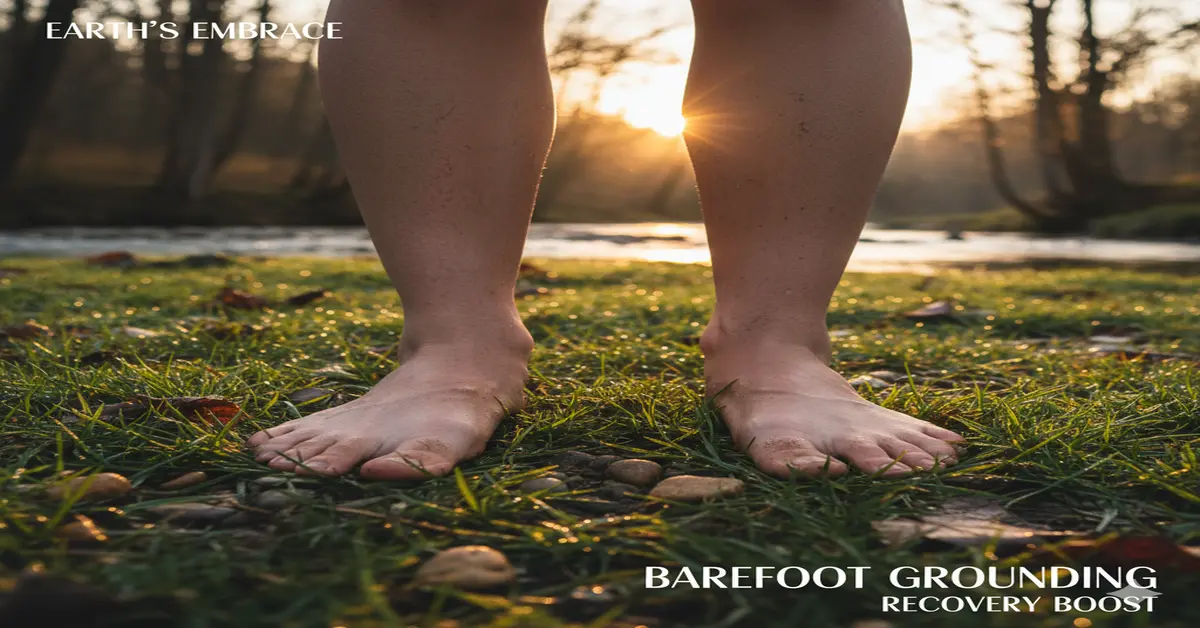
In recent years, a surprising recovery trend has resurfaced from nature itself — barefoot grounding, also known as earthing. It’s the simple act of walking or standing barefoot on natural surfaces like grass, soil, or sand. What was once dismissed as a wellness gimmick is now catching attention among athletes, biohackers, and recovery experts across the U.S.
But is grounding just a wellness fad, or does science actually support its effects on inflammation, sleep quality, and recovery? This article dives deep into the emerging research, physiology, and best practices for making grounding part of your recovery and wellness routine in 2025.
1. What Is Barefoot Grounding?
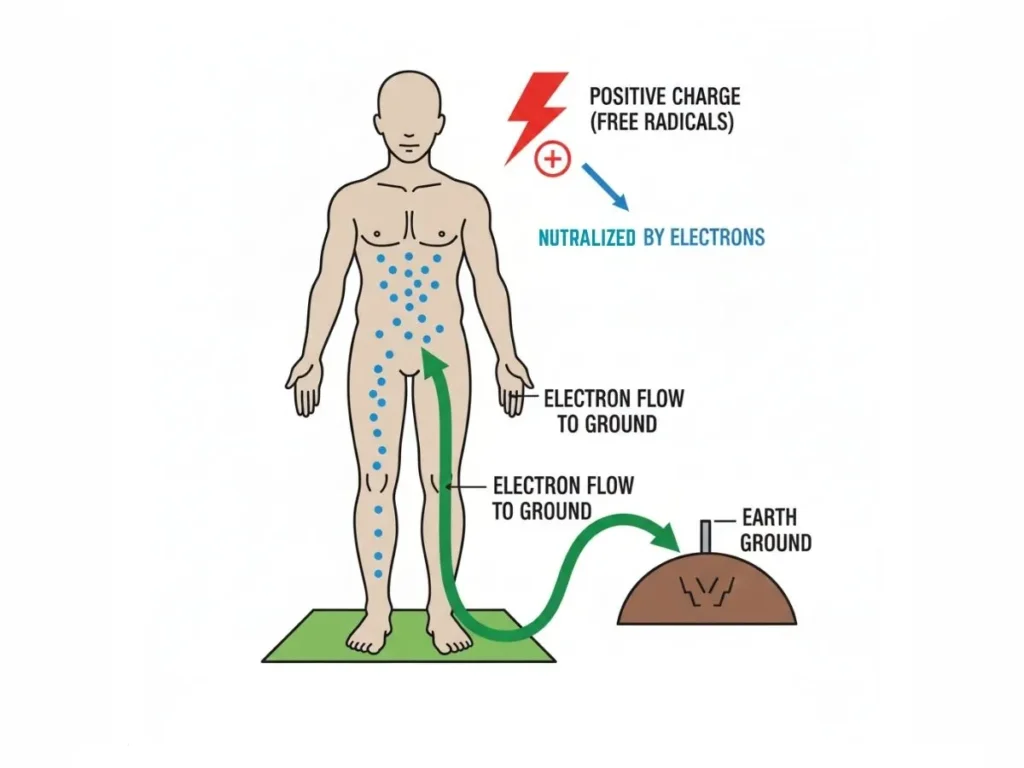
Grounding is based on the concept that the Earth’s surface carries a negative electrical charge. By physically connecting to it — barefoot or through conductive surfaces — our bodies can absorb free electrons, which may help neutralize oxidative stress and inflammation.
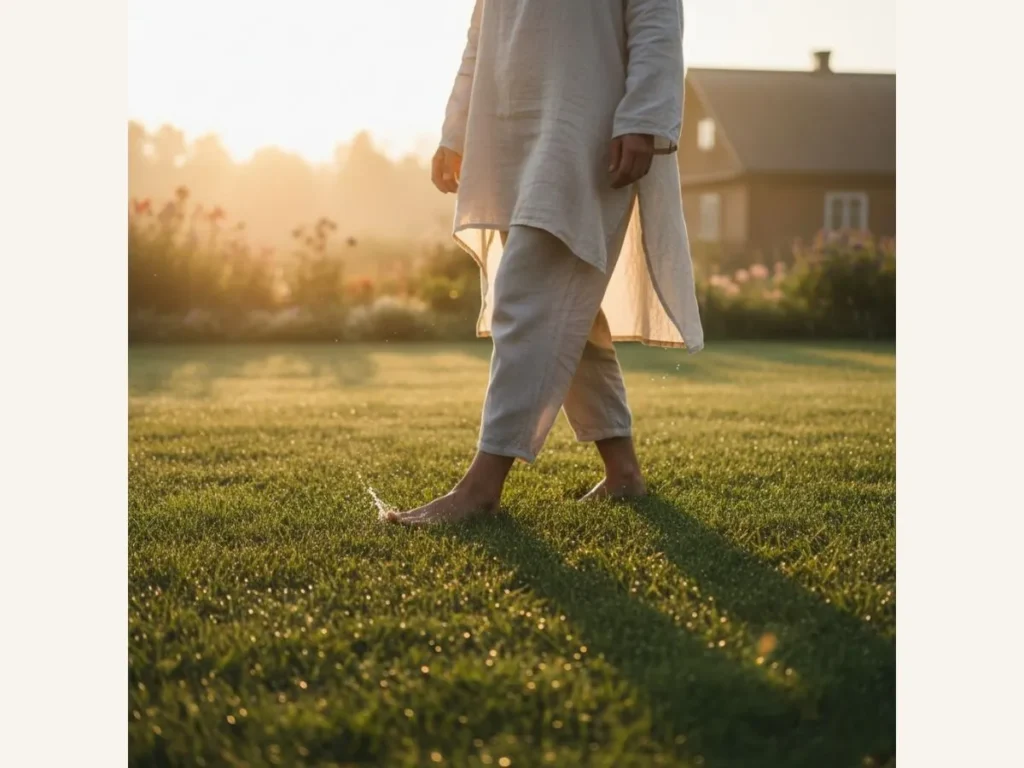
Simple examples of grounding include:
- Walking barefoot on grass, soil, or sand
- Sitting on the ground while touching it directly
- Using grounding mats or sheets designed to simulate direct Earth contact
While grounding may sound simplistic, it taps into one of biology’s most fundamental laws — electrical balance.
2. The Science: How Grounding Affects the Human Body
Modern life keeps most Americans insulated — rubber shoes, concrete flooring, synthetic bedding. This isolation disrupts natural electron flow that helps stabilize biological processes.
A 2015 review published in the Journal of Inflammation Research found that grounding reduced blood viscosity, improved heart rate variability, and enhanced autonomic nervous system balance.
Scientific takeaway:
Grounding appears to restore electrical equilibrium in the body, helping cells maintain proper voltage and reduce chronic inflammation — the root of many modern disorders.
3. Grounding and Inflammation: What Studies Reveal
Several pilot studies have shown remarkable outcomes:
| Study | Findings | Source |
|---|---|---|
| Chevalier et al., 2012 | Grounded participants had significantly reduced inflammatory markers after exercise | Journal of Alternative and Complementary Medicine |
| Brown et al., 2015 | Grounding lowered C-reactive protein (CRP) and improved blood circulation | Inflammation Research |
| Oschman et al., 2019 | Grounding improved recovery time after delayed-onset muscle soreness (DOMS) | Frontiers in Physiology |
Although more large-scale trials are needed, these studies suggest grounding can accelerate recovery by controlling inflammation naturally.
4. The Link Between Grounding, Cortisol, and Stress
Grounding may also balance cortisol rhythms — a key marker of stress and recovery.
A 2004 study in Journal of Alternative and Complementary Medicine showed that sleeping grounded normalized diurnal cortisol patterns, promoting better rest and reduced nighttime awakenings.
For individuals constantly under digital or work stress, grounding acts as a natural parasympathetic trigger, helping your body shift from fight-or-flight mode to a state of repair.
5. Can Grounding Improve Muscle Recovery and Sleep?
Athletes are now experimenting with grounding as a post-training recovery tool.
The theory: Earth’s free electrons reduce oxidative stress in muscle tissue, easing soreness and improving recovery time.
In practical terms, grounding may:
- Reduce muscle swelling post-exercise
- Enhance sleep onset latency (time it takes to fall asleep)
- Lower heart rate variability stress scores
- Support immune system balance
For shift workers and overtrained athletes, grounding provides a low-cost, zero-equipment recovery method.
6. Safe and Effective Ways to Practice Grounding
Here’s how to get started safely:
| Method | Duration | Ideal Setting |
|---|---|---|
| Barefoot walk on grass/soil | 20–30 min/day | Early morning or evening |
| Beach grounding | 15–20 min | Barefoot by shoreline |
| Gardening without gloves | 15 min | Backyard or community garden |
| Grounding mats | Overnight or 2–3 hrs/day | Indoors (if verified conductive) |
Safety tip:
Avoid grounding during lightning storms, near electrical poles, or in contaminated soil. The goal is clean, natural contact — not exposure to harmful currents.
7. Realistic Results: What You Can Expect
Most users report improvements within 1–3 weeks of daily grounding.
Common benefits include:
- Deeper sleep
- Reduced morning stiffness
- Enhanced post-exercise recovery
- Calmer mood and reduced anxiety
However, results vary based on consistency and environment quality.
8. Expert Opinions on Grounding
“Grounding is one of the few interventions that connects modern physiology with the environment that shaped it. The evidence is preliminary, but biologically plausible.”
— Dr. Gaétan Chevalier, Biophysicist, University of California
“Even short grounding sessions appear to reduce inflammation markers and promote vagal tone, which supports recovery and sleep.”
— Dr. James Oschman, Author of Energy Medicine: The Scientific Basis
10. Authoritative Resources
- National Library of Medicine – Grounding Review (2015)
- National Institutes of Health – Electrical Physiology and Health Research
11. Other Interesting Articles on Fitoast.com
- Sleepmaxxing: What Works, What’s Hype, and How to Truly Improve Sleep
- AI-Induced Psychosis: Understanding the Emerging Mental Health Crisis
12. Conclusion and Call to Action
Grounding might be one of the simplest yet most overlooked recovery practices available today. As modern life disconnects us from nature, reconnecting through bare feet could restore balance to our bodies’ electrical, inflammatory, and hormonal systems.
If you’re struggling with chronic fatigue, poor sleep, or post-workout soreness, try a 21-day grounding challenge — 20 minutes of barefoot contact daily. Combine it with hydration, mobility work, and sunlight exposure for synergistic benefits.
Want to keep exploring cutting-edge natural recovery methods?
👉 Read more science-backed wellness insights at Fitoast.com.