
Introduction: The Body’s Hidden Detox System You’ve Been Ignoring
Most Americans have heard of fasting for fat loss — but what if the real benefit isn’t about weight, but cellular renewal?
That’s where autophagy, your body’s built-in “cleanup” system, comes in.
In 2025, scientists are calling autophagy optimization the holy grail of longevity, where your body removes damaged cells, proteins, and waste — and replaces them with fresh, healthy ones.
But here’s the catch: you don’t need to starve for days to activate it. Modern research shows you can trigger autophagy naturally, through smart nutrition, movement, and recovery cycles.
What Is Autophagy and Why It Matters for Healthspan
Autophagy (from Greek “auto” = self, “phagein” = eat) literally means “self-eating.”
It’s your body’s way of recycling old or damaged cells to maintain optimal function.
Think of it as a 24/7 internal janitorial service that:
- Clears out cellular “trash”
- Repairs DNA damage
- Boosts mitochondrial performance
- Prevents buildup of toxic proteins that accelerate aging
Without proper autophagy, your body accumulates cellular waste — leading to inflammation, brain fog, sluggish metabolism, and chronic disease.
🧬 “Autophagy isn’t about deprivation; it’s about regeneration.”
— Dr. Yoshinori Ohsumi, Nobel Laureate in Physiology (2016)
The Science: How Autophagy Works
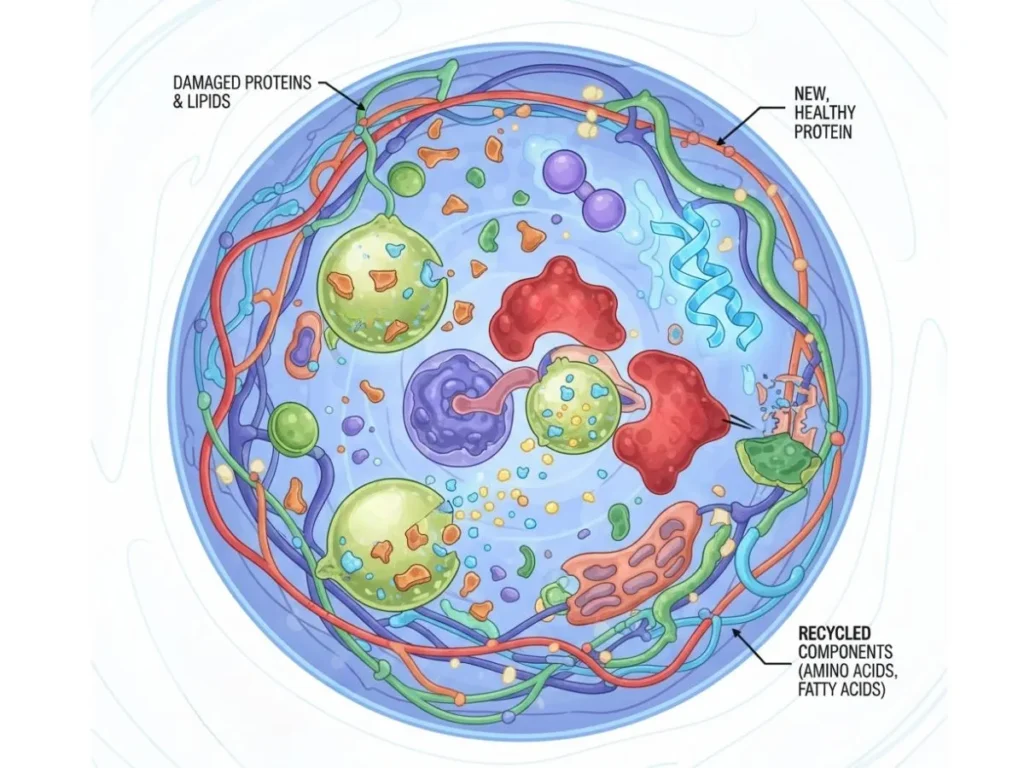
Autophagy operates like a cellular recycling program.
When energy is low or stress signals rise, cells activate a protein complex called AMPK, which inhibits mTOR — the growth signal.
This shift tells the body, “Stop building new stuff. Start cleaning up the old.”
| Process Stage | Description | What’s Happening |
|---|---|---|
| Initiation | Nutrient or energy stress | AMPK activation, mTOR suppression |
| Formation | Cell membranes wrap damaged components | Autophagosomes form |
| Fusion | Merges with lysosomes | Debris broken down |
| Reuse | Clean parts recycled for new cells | Regeneration begins |
Benefits of Autophagy Optimization
When you optimize autophagy—the body’s natural cellular cleanup system—you’re essentially improving how every cell repairs, renews, and functions. The following are the most evidence-backed benefits recognized by emerging research in metabolic and longevity science:
1. Enhanced Cellular Repair and Longevity
Autophagy removes damaged proteins and dysfunctional mitochondria, preventing the buildup of cellular “junk.” This promotes healthier cell renewal and is linked to slower aging at the cellular level.
2. Improved Metabolic Health
Optimized autophagy can improve insulin sensitivity, balance blood sugar, and enhance fat metabolism—key for maintaining a healthy weight and preventing metabolic disorders like type 2 diabetes.
3. Reduced Inflammation
By clearing damaged cellular components that trigger inflammatory pathways, autophagy helps lower chronic inflammation, which underlies many age-related diseases.
4. Brain Protection and Cognitive Clarity
Autophagy plays a vital role in removing misfolded proteins and neurotoxic waste in the brain. Studies suggest it supports memory, focus, and may reduce risk factors for Alzheimer’s and Parkinson’s disease.
5. Enhanced Immunity and Cellular Defense
Autophagy helps destroy viruses, bacteria, and damaged immune cells—improving the body’s ability to defend against infections and maintain immune balance.
6. Better Energy and Mitochondrial Function
Healthy autophagy supports mitochondrial biogenesis—the creation of new mitochondria—leading to improved cellular energy and endurance, especially during fasting or exercise.
Why Autophagy Declines with Age
By your 30s and 40s, natural autophagy efficiency begins to drop.
Chronic high-calorie intake, stress, poor sleep, and sedentary lifestyles block the body’s ability to self-clean.
This leads to:
- Slower metabolism
- Cellular aging and inflammation
- Higher disease risk (e.g., Alzheimer’s, metabolic syndrome)
The goal of autophagy optimization is to bring this process back online — without resorting to extreme fasting or starvation.
Signs Your Autophagy Is Sluggish
- Constant fatigue despite good sleep
- Bloating or poor digestion
- Joint stiffness and inflammation
- Skin dullness or slow wound healing
- Difficulty losing fat despite calorie control
These signs often indicate cellular clutter that needs to be cleared.
5 Proven Ways to Activate Autophagy Naturally
1. Practice Time-Restricted Eating (Without Extreme Fasting)
You don’t need to fast for 3 days.
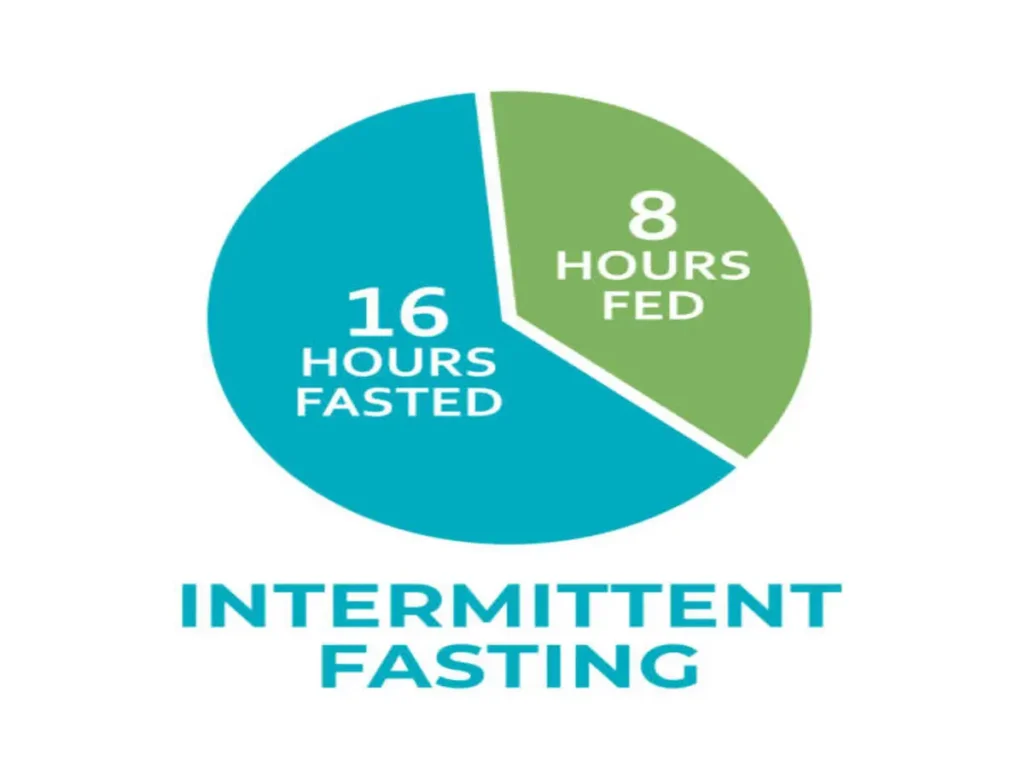
Research shows that fasting 14–16 hours is enough to trigger autophagy safely.
Example schedule:
- Eat between 10 AM – 6 PM
- Fast from 6 PM – 10 AM
This gentle window lets your body enter a cleanup mode overnight while preserving metabolic balance.
2. Exercise in the “Autophagy Zone”
Moderate-intensity workouts — like Zone 2 cardio, resistance training, or HIIT twice a week — create mild cellular stress that enhances cleanup.
In fact, studies from Cell Metabolism (2024) found that 30–45 minutes of aerobic exercise increases autophagy markers in both muscle and liver tissues.
3. Eat Autophagy-Boosting Nutrients
Certain compounds can mimic the fasting effect, even when you’re eating:
| Nutrient | Function | Best Food Sources |
|---|---|---|
| Spermidine | Triggers cellular cleanup | Wheat germ, soy, mushrooms |
| Resveratrol | Activates AMPK | Grapes, blueberries, red wine |
| EGCG | Supports mitochondrial recycling | Green tea |
| Curcumin | Anti-inflammatory cleanup enhancer | Turmeric |
| Quercetin | Protects brain cells during autophagy | Apples, onions |

4. Prioritize Sleep & Circadian Health
Autophagy peaks during deep sleep, when your body clears waste proteins and regenerates neurons.
Sleep deprivation, common among American adults, can block this entire process.
Tips:
- Sleep 7–9 hours nightly
- Keep a consistent bedtime
- Avoid blue light exposure 2 hours before bed
5. Reduce Autophagy Blockers
Avoid lifestyle factors that shut off your body’s cleanup mode:
- Overeating or late-night snacking
- Constant grazing or “mini-meals”
- High sugar intake
- Chronic stress and cortisol spikes
Even one 12-hour nightly fast can begin restoring your body’s natural rhythm.
Autophagy and Aging: More Than Just Longevity
Autophagy doesn’t just slow aging — it reverses cellular wear.
Studies show enhanced autophagy:
- Improves insulin sensitivity
- Lowers inflammation markers
- Enhances cognitive resilience
- Extends healthspan in animal and human models
🧠 “The key to longevity isn’t only adding years to life, but life to years — and autophagy is central to that goal.”
— Dr. Valter Longo, USC Longevity Institute
Actionable Checklist: Daily Autophagy Boost Plan
| Habit | Frequency | Benefit |
|---|---|---|
| 14–16 Hour Fasting Window | Daily | Triggers cleanup safely |
| Zone 2 Cardio or Strength | 4–5x/week | Cellular renewal |
| Green Tea or Polyphenol Foods | Daily | AMPK activation |
| Sleep 7–9 Hours | Nightly | Deep repair and cleanup |
| Avoid Late-Night Eating | Daily | Boosts nighttime autophagy |
Authoritative References
- FAZEB: “Exercise-Induced Autophagy in Human Skeletal Muscle”
- Nature Aging (2023): “Autophagic Flux and Longevity Mechanisms in Mammals”
- Harvard Medical School: “How Fasting and Sleep Promote Cellular Renewal”
Other Interesting Articles
- Intermittent Fasting Variations for Beginners in 2025
- Nutrient Timing for Shift Workers: Beating Circadian Disruption Naturally
FAQ: Autophagy Optimization & Cellular Health
Q1: How long do you need to fast to start autophagy?
Autophagy typically begins between 14–18 hours after your last meal, though light exercise and low-carb intake can speed it up.
Q2: Can autophagy cause muscle loss?
Not if you eat enough protein during eating windows. It helps preserve lean muscle mass while recycling old, weak cells.
Q3: Does coffee break autophagy?
Black coffee and green tea do not break autophagy — in fact, caffeine and polyphenols may enhance it slightly.
Q4: Is autophagy safe for everyone?
Yes, but those with diabetes, eating disorders, or chronic illness should consult a healthcare provider before fasting.
Q5: What’s the best way to start safely?
Begin with 12 hours of overnight fasting, prioritize whole foods, and gradually extend to 14–16 hours as your body adapts.
Conclusion: Clean Cells, Clear Mind, Renewed Energy
Autophagy isn’t a trend — it’s how your body keeps itself young, sharp, and metabolically efficient.
By optimizing daily habits instead of chasing extreme fasting fads, you can reclaim your cellular health naturally.
Start with balance, consistency, and awareness — and let your body’s intelligence do the rest.