
Introduction
For years, estrogen and testosterone have stolen the spotlight in hormonal health conversations. But there’s another crucial player working silently behind the scenes — progesterone. While it’s often thought of as a “female hormone,” both men and women rely on progesterone for mood stability, sleep quality, stress resilience, and overall hormonal harmony.
In 2025, as stress levels, poor sleep, and endocrine disruptors continue to rise, progesterone imbalance has become an under-recognized health disruptor among Americans. Let’s uncover what it really does — and why maintaining optimal levels might be one of the most underrated longevity tools for both genders.
What Exactly Is Progesterone?
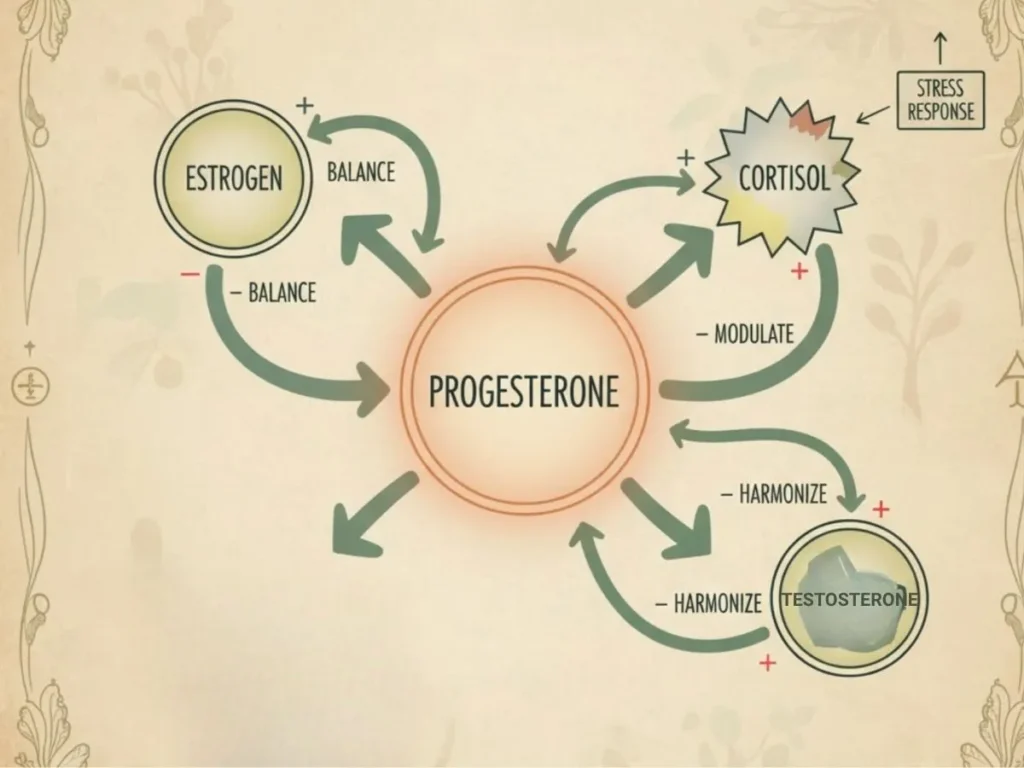
Progesterone is a steroid hormone primarily produced by the ovaries in women and the adrenal glands in both sexes. It acts as a biochemical “buffer,” balancing out estrogen, cortisol, and testosterone.
- In women, it regulates menstrual cycles, supports fertility, and prepares the body for pregnancy.
- In men, it acts as a precursor for testosterone production and helps prevent estrogen dominance — a growing issue due to environmental xenoestrogens and lifestyle stress.
Key Benefits of Balanced Progesterone Levels
Maintaining optimal progesterone isn’t just about hormone balance — it creates ripple effects throughout the entire body. Here’s how restoring healthy levels can enhance overall wellness for both men and women:
1. Improves Sleep Quality
Progesterone activates GABA receptors in the brain — the same pathways targeted by calming medications — helping the body enter deeper, restorative sleep cycles naturally.
- Reduces nighttime awakenings
- Improves REM and deep sleep phases
- Lowers restlessness caused by cortisol surges
2. Reduces Anxiety and Enhances Mood Stability
This hormone acts as a natural anti-anxiety compound. By countering high cortisol and balancing estrogen, progesterone supports a calmer, more even mood throughout the day.
- Decreases irritability and emotional swings
- Boosts resilience to daily stressors
- Helps prevent PMS-related mood changes in women
3. Supports Fertility and Reproductive Health
In women, progesterone prepares the uterine lining for implantation and maintains early pregnancy. It’s also vital for cycle regularity and hormonal rhythm.
In men, optimal progesterone helps regulate testosterone conversion, preventing estrogen dominance.
- Improves reproductive balance
- Reduces PMS and menstrual discomfort
- Aids healthy sperm production and libido
4. Enhances Metabolism and Fat Utilization
Progesterone promotes thyroid function and supports lean muscle retention by improving metabolic rate and insulin sensitivity.
- Encourages fat burning instead of storage
- Stabilizes blood sugar levels
- Reduces inflammation linked to weight gain
5. Strengthens Bone and Cardiovascular Health
Progesterone works synergistically with estrogen and testosterone to protect bone density and regulate vascular tone.
- Helps maintain bone mineralization
- Supports healthy blood pressure and circulation
- Reduces postmenopausal bone loss
6. Balances Estrogen Dominance and Cortisol Overload
One of progesterone’s most powerful benefits is its role as a hormonal buffer — keeping both estrogen and cortisol in check.
- Prevents bloating, fatigue, and irritability
- Supports adrenal health during stress
- Restores calm focus and hormonal resilience
Signs of Low Progesterone in Women and Men
| Gender | Common Symptoms of Deficiency |
|---|---|
| Women | PMS, anxiety, insomnia, irregular cycles, bloating, breast tenderness, mood swings, migraines |
| Men | Low libido, fatigue, irritability, poor sleep, weight gain (especially around the abdomen), estrogen dominance |
Low progesterone isn’t just about reproductive health — it’s a systemic imbalance that affects mood, metabolism, and even cardiovascular function.
The Stress Connection: Cortisol vs. Progesterone
Chronic stress is the biggest modern threat to progesterone balance. The body uses pregnenolone, the parent hormone, to make both cortisol and progesterone. When stress levels are high, the body prioritizes cortisol — leaving little raw material for progesterone production.
This “pregnenolone steal” creates a cascade:
- High cortisol → Low progesterone → Poor sleep, mood swings, and fatigue.
Expert Insight:
“In both men and women, stress is the number one cause of progesterone depletion. The more your body is forced to produce cortisol, the less capacity it has to maintain hormonal balance,” says Dr. Lara Briden, Naturopathic Doctor and author of Hormone Repair Manual.
Progesterone’s Role in Sleep, Mood & Metabolism
Progesterone isn’t just about reproduction — it’s a neurosteroid, meaning it directly affects the brain.
1. Sleep Quality – It enhances GABA, a calming neurotransmitter, promoting deeper sleep.
2. Mood Regulation – It helps counteract anxiety and irritability caused by estrogen and cortisol.
3. Fat Metabolism – Low levels may slow metabolism and encourage fat storage, especially under chronic stress.
According to a 2024 clinical review published in Frontiers in Endocrinology, progesterone replacement improved deep sleep and reduced anxiety symptoms in 70% of perimenopausal women studied.
Environmental Factors That Lower Progesterone
Modern living introduces numerous endocrine disruptors that quietly sabotage progesterone:
- Plastic chemicals (BPA, phthalates) – Found in bottles, containers, and receipts.
- Processed foods and refined seed oils – Promote inflammation that interferes with hormone signaling.
- Poor sleep and light exposure at night – Suppress melatonin, which affects hormonal rhythms.
- Alcohol and caffeine excess – Impair liver detoxification, where hormone metabolism occurs.
- Birth control pills (for women) – Suppress natural ovulation, the primary source of progesterone.
How to Restore and Support Progesterone Balance Naturally
1. Prioritize Stress Reduction
Incorporate yoga, meditation, and time in nature. Lowering cortisol restores the body’s natural hormone-making rhythm.
2. Optimize Nutrition
- Zinc, vitamin B6, and magnesium are essential for progesterone synthesis.
- Include foods like pumpkin seeds, leafy greens, avocado, and grass-fed meats.
3. Improve Sleep Quality
Aim for 7–9 hours of restorative sleep in darkness. Melatonin and progesterone production rise during deep sleep.
4. Limit Alcohol and Endocrine Disruptors
Switch to glass containers, avoid receipts, and reduce exposure to non-stick cookware.
5. Consider Medical Support
Bioidentical progesterone therapy, when supervised by a healthcare provider, can help restore balance.
Actionable Checklist for Hormone Balance
✅ Practice 10 minutes of deep breathing or meditation daily.
✅ Eat magnesium- and zinc-rich foods.
✅ Avoid plastic bottles and limit alcohol.
✅ Maintain regular sleep and wake times.
✅ Consult your healthcare provider about hormone testing if symptoms persist.
Authoritative Resources
Other Interesting Article
FAQ: Progesterone Balance for Men & Women
1. Can men take progesterone supplements?
Yes, but only under medical supervision. Low doses can help balance estrogen dominance and improve sleep.
2. Does progesterone help anxiety?
Progesterone enhances GABA activity, the brain’s main calming neurotransmitter, reducing stress and anxiety.
3. Can lifestyle changes alone fix low progesterone?
For mild imbalances, yes. Stress reduction, better sleep, and nutrient-dense foods can restore healthy levels.
4. What’s the difference between progesterone and progestins?
Progesterone is bioidentical and natural; progestins are synthetic and can cause side effects.
5. How is progesterone tested?
Through saliva, blood, or DUTCH urine tests — best measured in the luteal phase for women or any time for men.
Conclusion
Progesterone may not grab headlines like testosterone or estrogen, but it’s the hormonal foundation for balance, calm, and resilience. In both men and women, restoring healthy levels means better sleep, stronger stress response, and improved mood stability — all vital in today’s overstimulated world.
Understanding this often-overlooked hormone might just be the missing key to unlocking lasting wellness in 2025 and beyond.