
Introduction
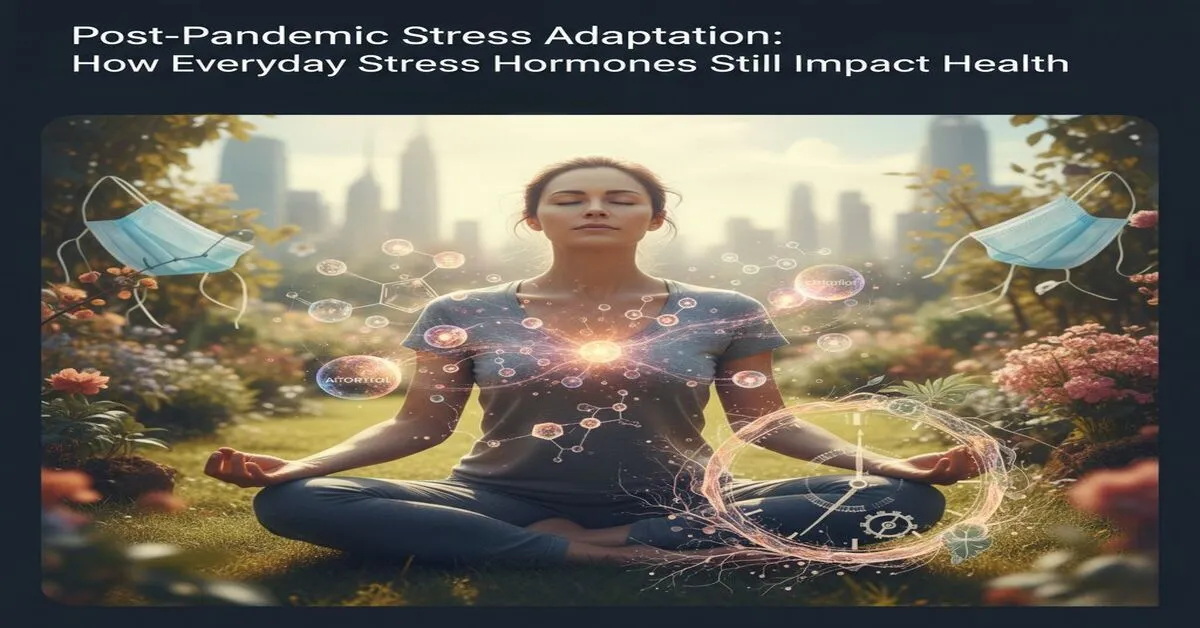
While the pandemic may feel like a distant memory for many Americans, its physiological and psychological footprints remain etched in our biology. The chronic activation of stress hormones such as cortisol, adrenaline, and norepinephrine has left the body’s stress-adaptation system — known as the HPA (hypothalamic-pituitary-adrenal) axis — dysregulated for millions.
Even in 2025, this “post-pandemic stress hangover” continues to influence metabolism, sleep, immunity, and even our emotional resilience.
Understanding the Post-Pandemic Stress Response
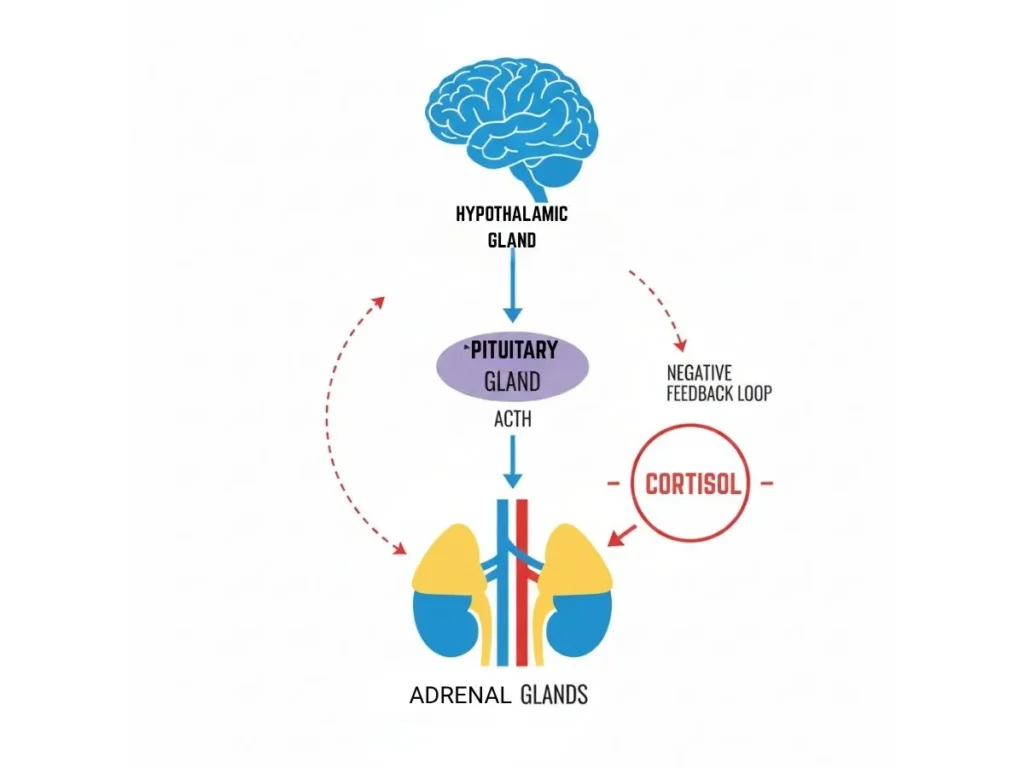
During prolonged periods of uncertainty, the body adapted to survive by staying alert and producing excess cortisol.
But what was meant to be temporary became chronic.
Key Hormonal Players
| Hormone | Function | Effect of Chronic Activation |
|---|---|---|
| Cortisol | Manages blood sugar & inflammation | Weight gain, fatigue, poor immunity |
| Adrenaline | Short-term fight-or-flight energy | Anxiety, heart palpitations |
| Norepinephrine | Focus & alertness | Sleep disruption, irritability |
This constant hormonal stimulation reshaped how the body handles energy, emotion, and recovery.
Lingering Signs of Hormonal Dysregulation
Even after the acute crisis, many Americans continue to show subtle yet persistent signs of stress hormone imbalance:
- Morning fatigue despite 8 hours of sleep
- Sugar or caffeine dependence
- Brain fog or “wired but tired” feeling
- Midsection weight gain
- Frequent colds or slow recovery
These symptoms often go unnoticed — written off as “aging” or “busy lifestyle” — but they reflect a system still locked in stress mode.
How Stress Hormones Affect Key Systems
1. Metabolism and Weight
Chronic cortisol elevates blood sugar, promoting insulin resistance and fat storage, especially around the abdomen. This “stress belly” became a post-pandemic phenomenon among remote workers and parents balancing multiple roles.
2. Immune System
Prolonged stress weakens immune surveillance, explaining why some people became more prone to infections or slow healing even after COVID-19 resolved.
3. Sleep and Circadian Health
Adrenal dysregulation flattens cortisol’s daily rhythm — making mornings sluggish and nights restless. Many people still experience delayed sleep cycles post-pandemic due to irregular work and screen habits.
4. Cognitive Function
High stress hormones reduce neuroplasticity in the hippocampus and prefrontal cortex, leading to forgetfulness and difficulty focusing — commonly described as post-pandemic brain fog.
Rebalancing the Stress Axis Naturally

1. Rebuild Rhythms
- Wake with sunlight exposure (10–15 min) to reset cortisol rhythm.
- Keep meal and sleep times consistent — even on weekends.
2. Nutrient Support for the HPA Axis
| Nutrient | Role | Best Food Sources |
|---|---|---|
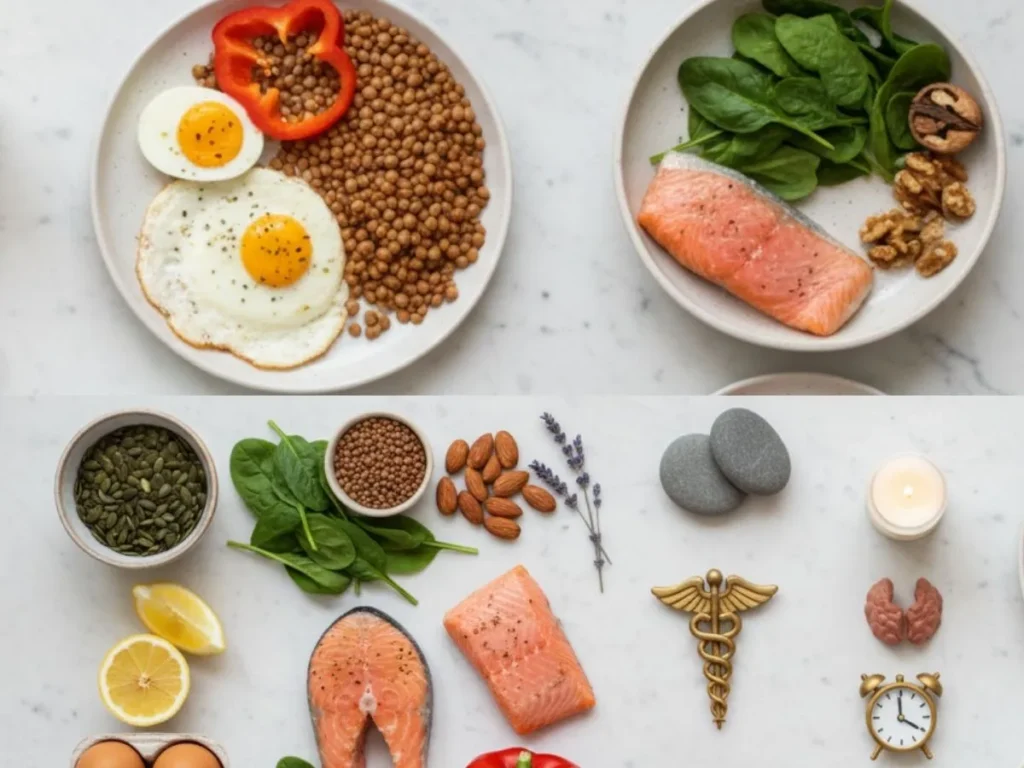
| Magnesium | Calms the nervous system | Pumpkin seeds, spinach, almonds |
| Vitamin B5 (Pantothenic acid) | Supports adrenal hormone synthesis | Eggs, salmon, lentils |
| Vitamin C | Reduces cortisol spikes | Citrus, bell peppers, kiwi |
| Omega-3s | Lowers inflammation | Wild salmon, flaxseeds, walnuts |
3. Adaptogenic Herbs
Herbs like ashwagandha, rhodiola, and holy basil have been shown in multiple studies to reduce cortisol levels and improve resilience.
(Quote: “Adaptogens help the body remember balance,” — Dr. Sara Gottfried, MD, author of The Hormone Cure.)
4. Movement Without Overtraining
Gentle, consistent exercise — brisk walking, yoga, or strength training — helps re-educate the body to handle stress without spiking cortisol excessively.
Avoid long high-intensity workouts daily, which can worsen hormonal fatigue.
5. Digital & Emotional Detox
Reducing exposure to constant digital stress (news, notifications, blue light) is critical. Replace with real-world sensory recovery — nature walks, breathwork, journaling.
The Emerging Science: Stress Adaptation as Longevity Marker
New research in 2024-2025 links resilient cortisol patterns with longer lifespan and lower risk of metabolic disease.
Rather than eliminating stress entirely, the focus now is on enhancing adaptability — teaching the body to recover faster after stress spikes.
Expert Insight
“Post-pandemic health isn’t about stress elimination — it’s about building adaptability. The strongest people aren’t those without stress, but those whose biology recovers fastest.”
— Dr. Elissa Epel, Professor of Psychiatry, University of California, San Francisco
Checklist: Re-Train Your Stress Response
| Action | Frequency | Goal |
|---|---|---|
| Morning sunlight | Daily | Cortisol rhythm reset |
| Breathwork (4-7-8 breathing) | 2×/day | Lower sympathetic tone |
| Adaptogenic herbs | 1 cycle (6–8 weeks) | Support adrenal recovery |
| Digital detox hour | Nightly | Improve sleep drive |
| Magnesium-rich foods | Daily | Nervous system support |
FAQ Section
Q1. How long does it take to rebalance stress hormones?
Most people notice improvements within 6–8 weeks of consistent rhythm and nutrient support, but full recovery can take 3–6 months depending on severity.
Q2. Are cortisol tests useful?
Yes. Salivary or dried urine (DUTCH) tests help reveal daily cortisol patterns, not just single readings.
Q3. Can chronic stress impact thyroid or reproductive hormones?
Absolutely. Prolonged cortisol dominance can suppress thyroid conversion and lower sex hormone production.
Q4. What’s the difference between burnout and adrenal fatigue?
“Burnout” is the psychological manifestation, while “adrenal fatigue” reflects physiological dysregulation in the stress-response system.
Q5. Does caffeine worsen post-pandemic stress symptoms?
Excess caffeine overstimulates cortisol production; cutting back gradually can stabilize energy and sleep cycles.
Authoritative Resources
National Institutes of Health (NIH) – Cortisol and Stress: How They Affect the Body
Other Interesting Articles
Call to Action
Understanding stress adaptation isn’t about avoiding stress but mastering recovery. Rebuild your resilience through rhythm, nourishment, and mindful restoration — your hormones will follow your habits.
Start with one change this week: reclaim your morning sunlight and let your body remember calm again.