
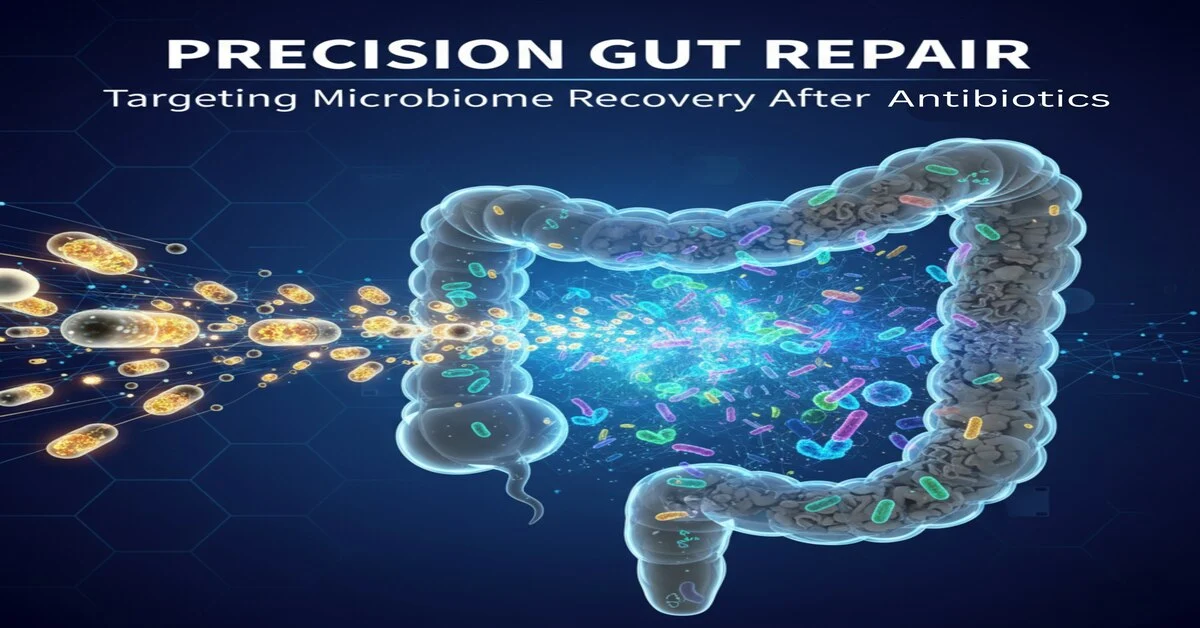
Introduction: The Hidden Aftermath of Antibiotic Use
Antibiotics save lives—but they also wipe out beneficial gut bacteria along with harmful pathogens. This “microbiome wipeout” can take months to recover, leading to digestive imbalance, bloating, fatigue, and even weakened immunity.
Precision gut repair focuses on restoring microbial diversity and intestinal barrier integrity through targeted nutrition, prebiotic fibers, probiotics, and lifestyle strategies.
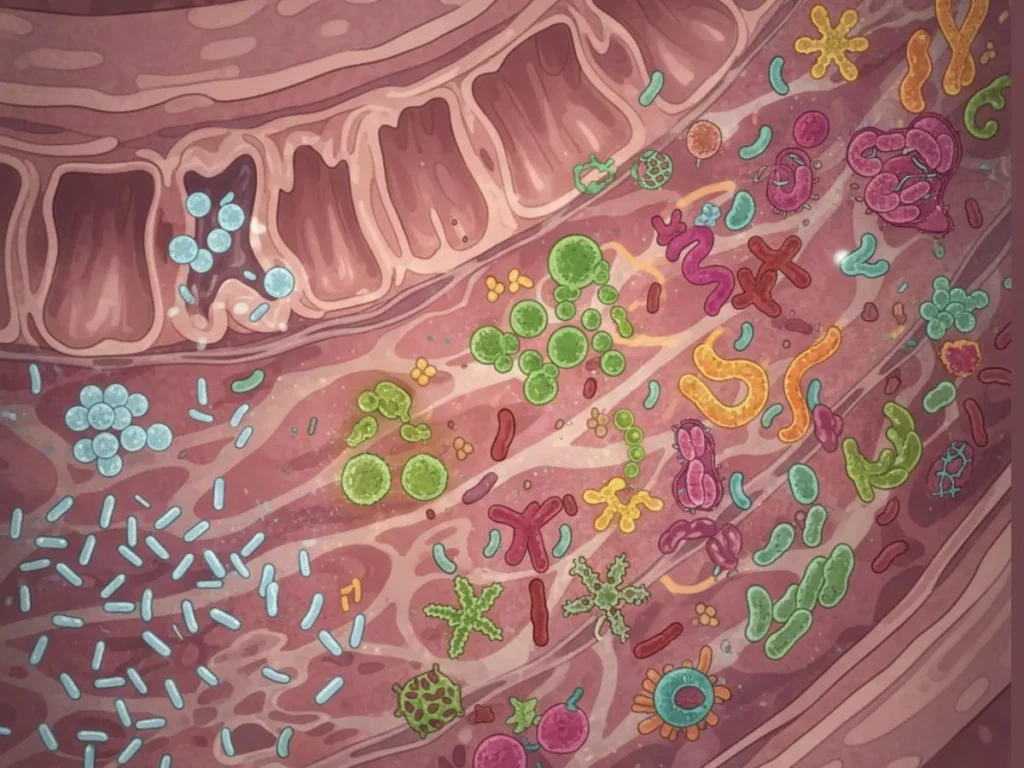
The Science Behind Microbiome Disruption
Antibiotics work by killing bacteria—both good and bad. But broad-spectrum antibiotics like amoxicillin or ciprofloxacin can dramatically reduce microbial richness, suppressing key species that regulate digestion and immune balance.
A 2024 Harvard Medical School study found that even a 5-day antibiotic course can reduce beneficial Bifidobacterium and Lactobacillus species by up to 80%, altering short-chain fatty acid (SCFA) production essential for gut and metabolic health.
When the gut barrier weakens, harmful endotoxins can leak into the bloodstream—a condition called metabolic endotoxemia—fueling chronic inflammation, insulin resistance, and fatigue.
Why Post-Antibiotic Gut Repair Matters
Restoring gut health after antibiotics isn’t just about digestion—it’s about rebuilding your body’s foundational defense system.
Unrepaired microbiomes can lead to:
- Increased risk of yeast overgrowth (Candida)
- Leaky gut and food sensitivities
- Low mood, brain fog, and anxiety due to reduced serotonin synthesis
- Reduced nutrient absorption, especially B vitamins and magnesium
Expert quote:
“Your gut microbiome is a metabolic organ in itself. Ignoring its repair after antibiotics is like leaving a wound untreated,” says Dr. Jennifer Hall, MD, integrative gastroenterologist at UCLA Health.
Key Strategies for Precision Gut Repair
- Reintroduce beneficial bacteria with diverse probiotic strains (especially Lactobacillus plantarum, Bifidobacterium longum, and Saccharomyces boulardii).
- Feed your microbiome with soluble fiber and resistant starch to encourage regrowth.
- Avoid inflammatory foods like refined sugar, seed oils, and ultra-processed products for 4–6 weeks.
- Support gut barrier repair with L-glutamine, zinc carnosine, and polyphenol-rich foods (berries, pomegranate, green tea).
- Stay hydrated to improve bowel motility and microbial balance.
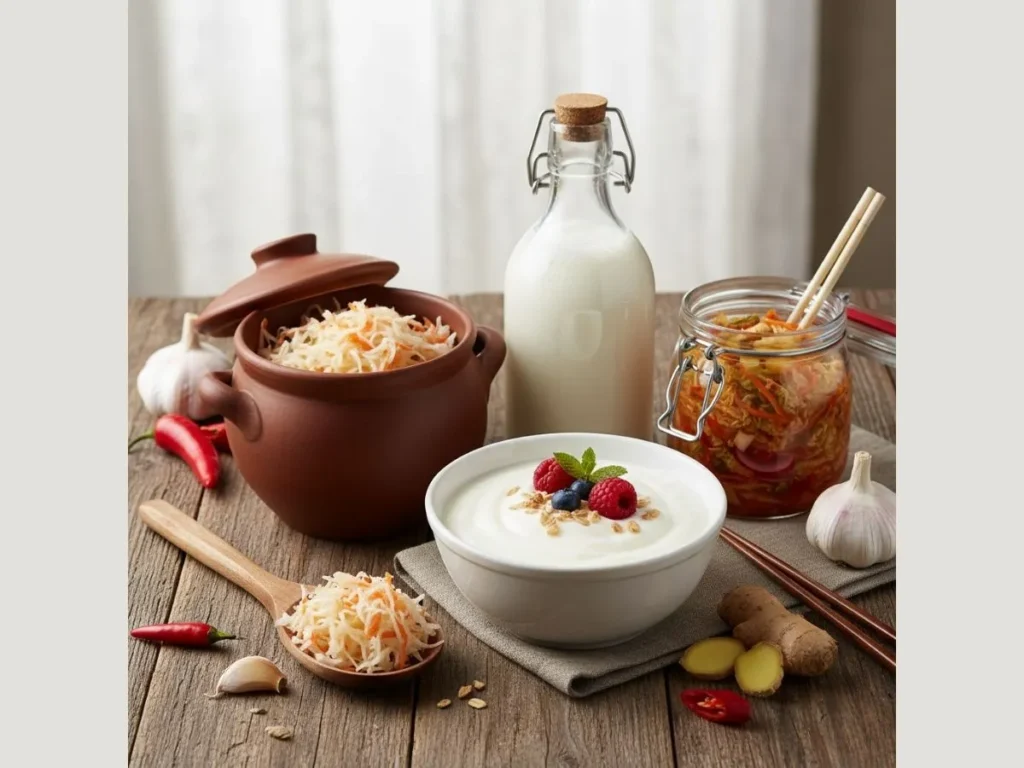
Best Probiotic and Prebiotic Combinations
| Type | Example | Benefit |
|---|---|---|
| Probiotic | L. plantarum | Restores gut lining and reduces bloating |
| Probiotic | S. boulardii | Prevents antibiotic-associated diarrhea |
| Prebiotic Fiber | Inulin, chicory root | Nourishes Bifidobacterium |
| Resistant Starch | Cooled potatoes, green bananas | Rebuilds SCFA production |
| Polyphenol Synergy | Blueberries, cocoa, olive oil | Increases microbial diversity |
Actionable Daily Gut Recovery Checklist
- ✅ Take probiotics 2 hours after antibiotics
- ✅ Add one prebiotic-rich food daily
- ✅ Include fermented food with lunch or dinner
- ✅ Avoid alcohol and processed sugar
- ✅ Hydrate with 2.5–3L of water daily
- ✅ Sleep 7–8 hours to promote microbiome recovery
- ✅ Manage stress with meditation or breathing exercises
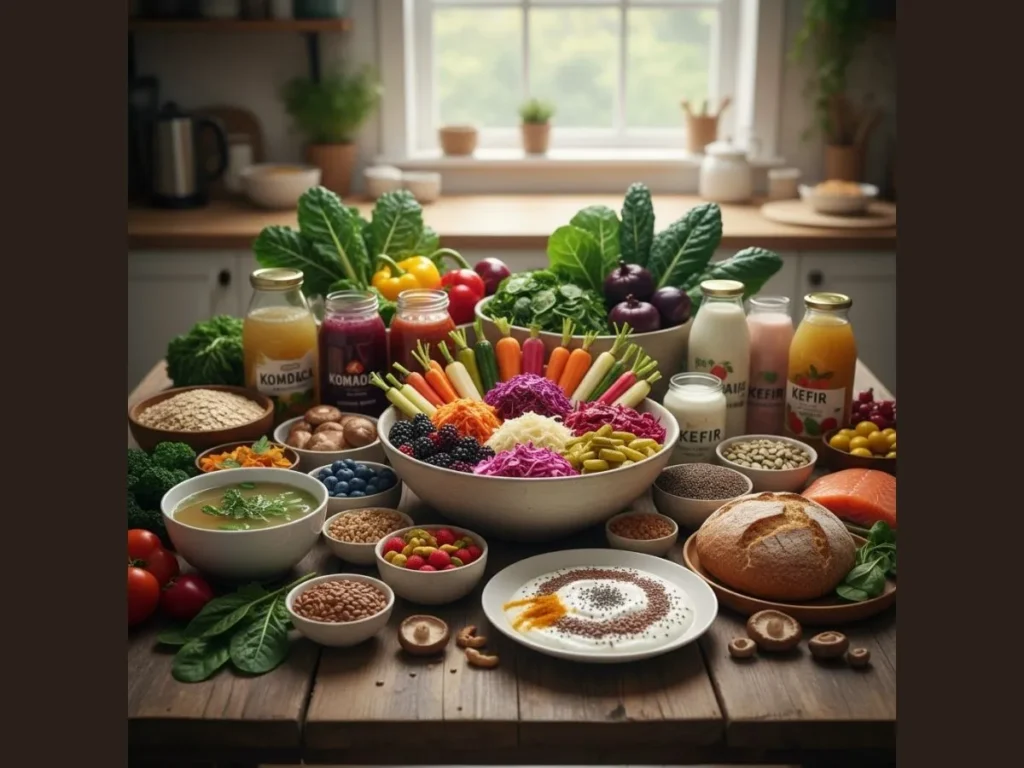
Foods That Rebuild the Gut Microbiome
- Fermented Foods: Sauerkraut, kimchi, miso, kefir
- Prebiotic Vegetables: Garlic, onions, asparagus, leeks
- High-Resistant Starch Sources: Oats, cooked and cooled rice, green bananas
- Polyphenol Powerhouses: Blueberries, green tea, pomegranate
- Bone Broth: Source of glutamine and collagen to repair gut lining
Expert Insights on Post-Antibiotic Recovery
“Microbiome restoration is time-sensitive. The sooner you reintroduce prebiotics and probiotics, the faster your gut regains diversity,” explains Dr. Thomas Reed, microbiome researcher at Stanford.
“Think of your gut as a rainforest—it needs variety, hydration, and the right food sources to regrow,” adds Dr. Emma Delgado, PhD, nutrition scientist.
Common Myths & FAQs
Q1: Can probiotics alone restore the microbiome?
A: No. Without prebiotic fibers and nutrient support, probiotics can’t colonize effectively.
Q2: How long does gut recovery take after antibiotics?
A: Typically 30–90 days, depending on diet quality and antibiotic duration.
Q3: Should I avoid dairy after antibiotics?
A: If digestion feels off, choose fermented dairy (like kefir) instead of milk.
Q4: Are all probiotics the same?
A: Multi-strain probiotics with clinically studied species yield better long-term colonization.
Q5: Can I take probiotics during antibiotics?
A: Yes, but separate the doses by at least 2 hours to protect probiotic survival.
Authoritative Resources
- Harvard Health Publishing – Antibiotics and Gut Health
- National Institutes of Health – Human Microbiome Research
- American Gastroenterological Association – Gut Microbiome Restoration
Other Interesting Articles
Conclusion & Call-to-Action
Precision gut repair after antibiotic use is not optional—it’s a rebuilding process for your body’s most critical ecosystem. By combining probiotics, prebiotics, and anti-inflammatory nutrition, you can restore digestive strength, mood balance, and immunity naturally.
Next Step:
Begin your 30-day microbiome recovery plan today. Add one fermented and one prebiotic-rich food daily, hydrate well, and track how your digestion and energy improve week by week.