

Introduction: The Rise of Self-Diagnosis Tools
In 2025, healthcare is no longer confined to the doctor’s office. Millions of Americans are using self-diagnosis tools—from AI-powered apps and symptom checkers to at-home lab kits and wearable devices.
According to a Pew Research Center survey, 41% of U.S. adults reported using a digital health tool in the past year to understand a symptom or condition before consulting a professional.
While these tools empower patients with greater control, they also introduce risks if misused. Understanding the balance between empowerment and potential harm is key for safe adoption.
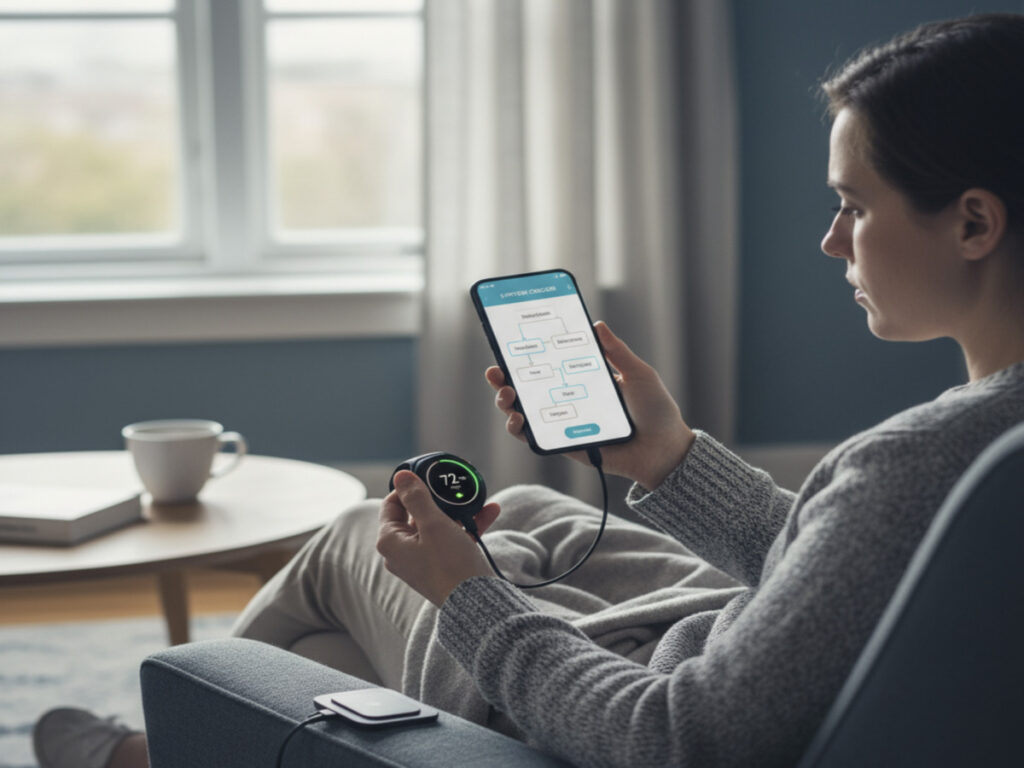
How Patient Self-Diagnosis Works
Patient self-diagnosis tools use a combination of:
- AI Symptom Checkers: Apps where users enter symptoms, and algorithms suggest possible conditions.
- At-Home Testing Kits: Blood, saliva, or stool-based kits that measure markers like cholesterol, hormones, or microbiome health.
- Wearables & Continuous Monitors: Devices tracking heart rate, glucose, or sleep patterns, alerting users to irregularities.
- Online Knowledge Databases: Trusted health sites and forums offering insights into conditions and treatments.
These tools aim to provide early insights, but they cannot replace medical expertise.
Popular Self-Diagnosis Tools in 2025
| Tool Type | Examples | Common Uses | Accuracy (Est.) |
|---|---|---|---|
| AI Symptom Checkers | Ada Health, K Health, WebMD AI | Initial symptom analysis | 60–80% |
| At-Home Kits | Everlywell, LetsGetChecked, Viome | Hormones, microbiome, nutrient levels | 70–95% |
| Wearables | Apple Watch, Fitbit, Whoop, Dexcom | Heart rate, glucose, sleep | 80–95% |
| Online Platforms | Mayo Clinic, MedlinePlus, Healthline | Health education | N/A (reference) |
Benefits of Patient Self-Diagnosis Tools
Convenience and Accessibility
Patients can access health insights 24/7 without appointments. This is especially valuable for rural communities and busy professionals.
Early Detection of Health Concerns
Wearables and AI tools can spot subtle warning signs like irregular heartbeat, pre-diabetic glucose spikes, or sleep apnea symptoms—potentially prompting early intervention.
Statistic: Harvard Health (2024) reported that early detection through wearables could reduce hospitalizations for heart-related issues by 20%.
Patient Empowerment
These tools foster health literacy, making individuals more proactive in their care. Patients enter appointments with better-prepared questions, leading to more efficient consultations.
Cost Savings
Self-diagnosis tools often cost less than $50/month, compared to hundreds for specialist visits, helping patients manage health affordably.
Risks of Patient Self-Diagnosis Tools
Misdiagnosis and False Confidence
AI-based tools may flag common cold symptoms as pneumonia—or worse, miss early cancer signs. Over-reliance can create dangerous blind spots.
Anxiety and Information Overload
Googling symptoms often leads to “cyberchondria”, where harmless issues are mistaken for serious illness, increasing unnecessary anxiety.
Privacy and Data Security Issues
Many self-diagnosis apps collect sensitive health data. Without strict HIPAA-compliant protections, users risk data misuse or breaches.
Delayed Professional Care
Some patients may skip or delay seeing a doctor, leading to progression of conditions that could have been treated earlier.
Expert Quote:
“Self-diagnosis tools can empower patients, but they should be used as a compass, not a final verdict,” says Dr. Monica Ruiz, MD, Internal Medicine Specialist at Cleveland Clinic.
Self-Diagnosis vs. Professional Diagnosis
| Factor | Self-Diagnosis Tools | Professional Diagnosis |
|---|---|---|
| Accessibility | High (24/7 digital access) | Appointment-based |
| Accuracy | Variable (60–95%) | High (evidence + testing) |
| Emotional Reassurance | Limited | Strong doctor-patient support |
| Legal Responsibility | None | Bound by medical standards |
| Data Use | Commercial potential | Confidential medical records |

Actionable Guidelines for Safe Use
- Use Tools as a First Step, Not the Last Word
- Treat results as a starting point for further discussion with professionals.
- Choose Evidence-Based Platforms
- Look for apps and kits backed by FDA clearance, peer-reviewed validation, or medical partnerships.
- Protect Your Privacy
- Review terms of service before sharing personal data. Opt for HIPAA-compliant services.
- Know When to Seek Medical Care
- Persistent or severe symptoms always warrant a doctor’s visit.
Practical Checklist: Using Self-Diagnosis Tools Responsibly
- Use only FDA-cleared or medically backed apps/kits
- Track symptoms consistently (not just once)
- Don’t panic over single abnormal results—look for trends
- Cross-check findings with authoritative medical sites
- Book a professional consultation if symptoms persist or worsen
Comparison Table: Types of Tools and Their Accuracy
| Tool | Strengths | Weaknesses |
|---|---|---|
| Symptom Checkers | Fast, accessible, affordable | Risk of misdiagnosis |
| At-Home Kits | Accurate for certain biomarkers | Limited scope, requires follow-up |
| Wearables | Continuous data, lifestyle insights | Not diagnostic by themselves |
| Online Databases | Reliable education | No personalization |
Expert Insights on Self-Diagnosis in Healthcare
- Dr. Alan Porter, Digital Health Policy Analyst:
“The rise of self-diagnosis tools reflects the demand for autonomy. But unchecked, they can widen health disparities if patients misinterpret results.” - Dr. Emily Chen, Preventive Medicine Specialist:
“The best outcomes occur when patients combine AI-driven tools with professional care—merging speed with expertise.”
Common Myths & FAQ
Q1: Are self-diagnosis tools replacing doctors?
A: No. They are supplements, not substitutes, for professional medical judgment.
Q2: Are all wearable results reliable?
A: Accuracy varies. FDA-approved devices are more trustworthy than unregulated products.
Q3: Do these tools increase hypochondria?
A: If misused, yes. But structured use can reduce anxiety by clarifying when symptoms are minor.
Q4: Are results private?
A: Not always. Some platforms may sell anonymized data—always check privacy policies.
Authoritative Resources
- Mayo Clinic – Symptom Checker
- MedlinePlus – Trusted Medical Information
- FDA – Digital Health Tools Regulation
- Cleveland Clinic – Self-Diagnosis Guidance
Conclusion & Call-to-Action
Self-diagnosis tools are revolutionizing how Americans interact with healthcare in 2025. While they offer convenience, affordability, and empowerment, they also pose risks if used without caution.
The key takeaway: Treat these tools as partners, not replacements. They can point you in the right direction, but only a qualified healthcare professional can confirm a diagnosis.
👉 Next Step: If you use self-diagnosis tools, track your data responsibly and bring your results to your doctor. Together, you’ll make better, safer decisions about your health.