
Introduction
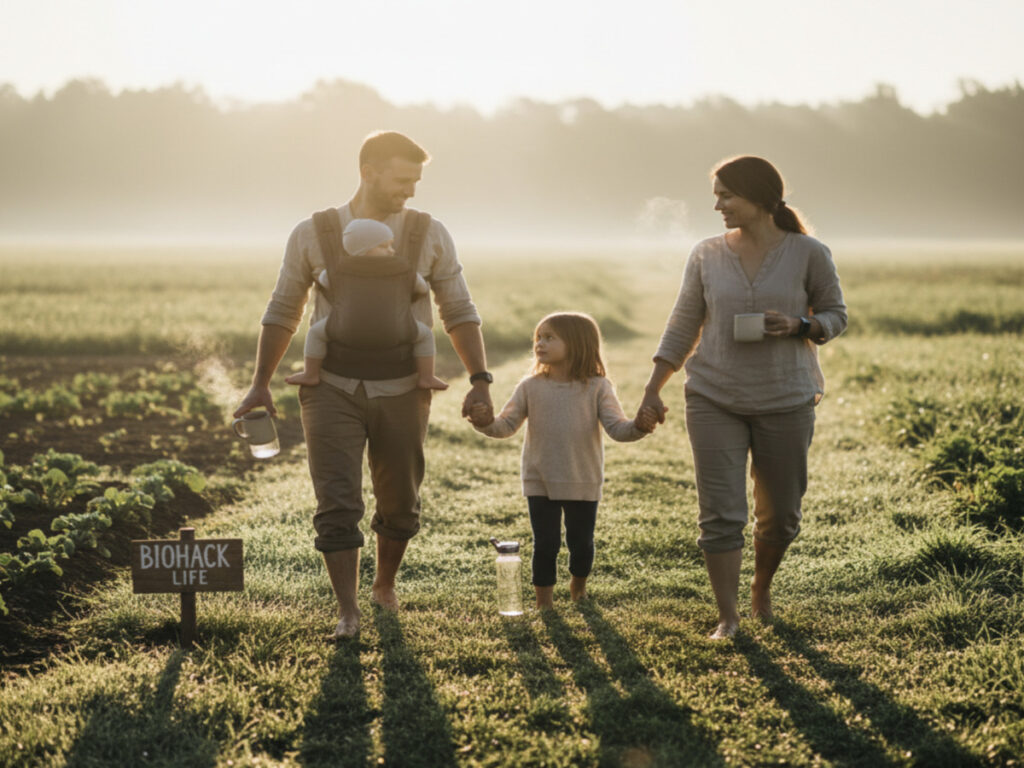
In 2025, biohacking has gone mainstream in the United States. Once associated with Silicon Valley “extreme optimizers,” biohacking now appeals to everyday Americans who want better sleep, sharper focus, sustainable energy, and improved health—without complicated routines or expensive treatments.
But with hype comes confusion. What’s safe? What works? What’s just marketing? This guide breaks down practical, science-backed biohacks anyone can use daily, while avoiding risky or unproven methods.
What Is Biohacking?
Biohacking refers to making small, targeted changes in lifestyle, environment, and biology to optimize health and performance.
It ranges from simple steps like getting morning sunlight to advanced approaches like genetic testing and nootropics. But for most Americans, biohacking can be as straightforward as improving sleep quality, eating smarter, and tracking personal health data.
Why Biohacking Is Trending in 2025
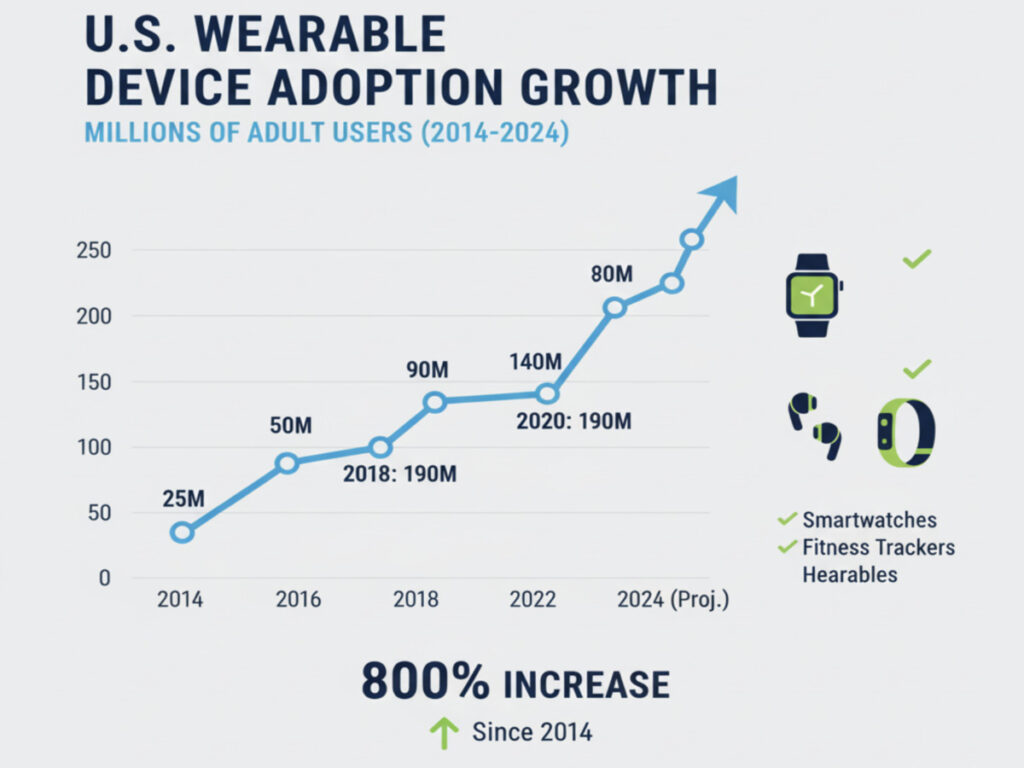
- Wearable boom: Over 120 million Americans now use smartwatches or health trackers (Statista, 2024).
- Work-life demands: Longer work hours and digital fatigue push people to look for natural performance boosters.
- Preventive healthcare shift: Rising healthcare costs encourage people to take proactive measures.
- Pop culture influence: Podcasts, influencers, and athletes openly promote biohacking.
The Benefits of Safe Biohacking Practices
- Better sleep → improved recovery and focus.
- Sharper mental clarity → enhanced productivity.
- Balanced energy → less dependence on caffeine and sugar.
- Stronger immunity → fewer sick days and faster healing.
- Longevity potential → reduced risk of chronic disease.
Common Biohacking Myths and Misconceptions
- ❌ Biohacking is only for the wealthy → Many biohacks are free (sleep, sunlight, breathing techniques).
- ❌ You need supplements to biohack → Lifestyle hacks are often more effective than pills.
- ❌ Biohacking is unsafe → Risk comes from extreme or untested methods, not everyday habits.
- ❌ It’s all about performance → Biohacking also focuses on long-term health and resilience.
Everyday Biohacks That Work
1. Sleep Optimization
- Maintain a consistent bedtime.
- Reduce blue light exposure after sunset.
- Keep your room cool (60–67°F).
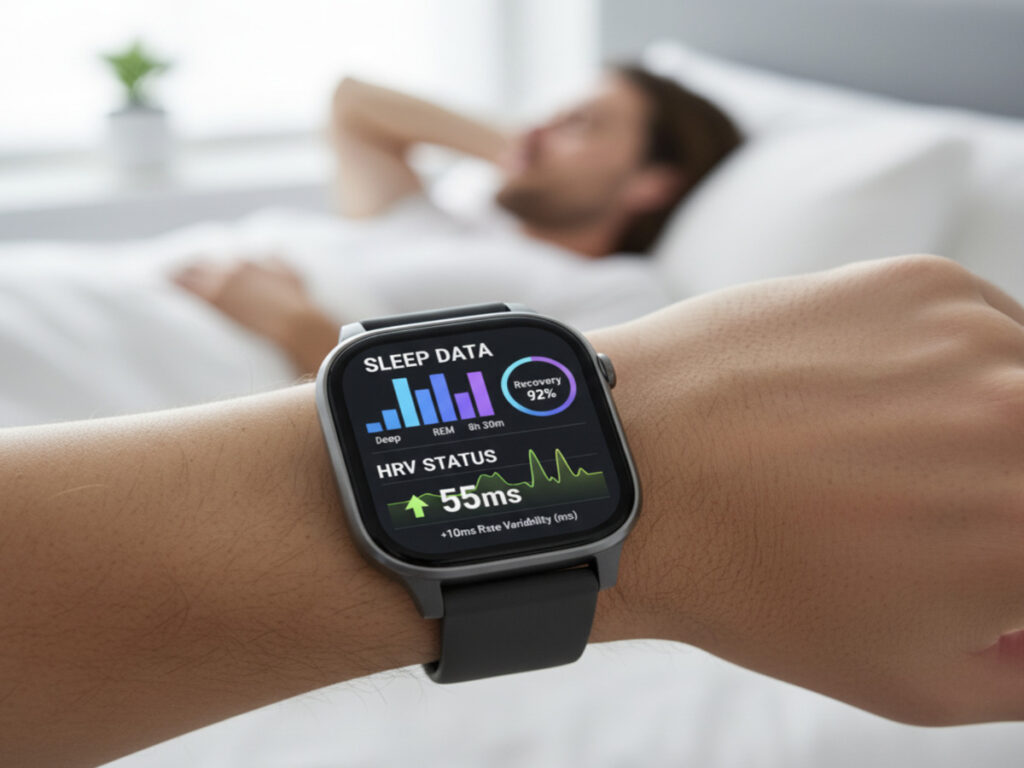
- Track sleep with a wearable to monitor recovery.
2. Nutrition Hacks
- Time-restricted eating (12–14 hour overnight fast).
- Prioritize protein at each meal for satiety and muscle repair.
- Use hydration strategies (lemon water, electrolytes).
- Limit ultra-processed foods.
3. Movement and Fitness Hacks
- Walk 5–10 minutes after meals to regulate blood sugar.
- Try high-intensity workouts 2–3 times per week.
- Incorporate mobility and stretching to reduce stiffness.
4. Mind and Focus Enhancers
- Morning sunlight for circadian alignment.
- Breathing exercises (box breathing for stress relief).
- Cold showers or contrast therapy for alertness.
- Use background soundscapes or binaural beats for focus.
Safe vs. Risky Biohacks: What You Should Know
| Safe Biohacks (Recommended) | Risky Biohacks (Caution/Research Needed) |
|---|---|
| Sleep hygiene improvements | DIY gene editing |
| Wearable health tracking | Extreme fasting beyond 48 hours |
| Light exposure management | Unregulated nootropics |
| Time-restricted eating | Injectables or untested supplements |
| Mindfulness and breathing | At-home stem cell treatments |
Technology and Wearables in Everyday Biohacking
Devices like Apple Watch, Oura Ring, and WHOOP have made self-tracking accessible. Metrics such as:
- Heart rate variability (HRV)
- Sleep cycles
- Recovery readiness
- Blood glucose (via continuous monitors)
allow users to personalize their health routines.
Biohacking on a Budget
- Morning sunlight: free.
- Walking meetings: free.
- Cold showers: free.
- Meditation apps: many free options available.
- Second-hand or refurbished wearables: affordable alternatives.
Biohacking doesn’t require luxury gadgets—consistency is more powerful than tech.
Statistics: U.S. Biohacking Market and Consumer Trends
- Biohacking market expected to grow from $24.5B in 2024 to $111.3B by 2034 (Agrigate Global, 2025).
- 52% of U.S. adults say they have tried at least one biohacking technique (Pew Research, 2024).
- Wearables are used by 1 in 3 Americans for health tracking (Statista, 2024).
- Sleep optimization is the #1 biohack people are experimenting with.
Expert Insights
Dr. Lisa Carter, Integrative Physician:
“Safe biohacking isn’t about shortcuts. It’s about aligning lifestyle with biology. Americans can make real changes by improving sleep and nutrition first.”
Mark Thompson, Biohacking Coach:
“Start small. A morning walk or consistent bedtime is biohacking. People think it has to be extreme, but the basics deliver the best results.”
FAQ Section
Q1: Is biohacking safe for everyone?
Yes, most lifestyle-based biohacks are safe. Avoid unregulated supplements and invasive methods without medical supervision.
Q2: Do I need expensive devices to biohack?
No. While wearables help, many biohacks (like light exposure and movement) cost nothing.
Q3: How long before I see results?
Simple biohacks like improved sleep or hydration can show results within a week.
Authoritative Resources
- National Institutes of Health (NIH)
- Harvard Health Biohacking Insights
- American Council on Exercise (ACE)
Actionable Checklist
- Improve sleep hygiene (consistent bedtime, no screens before bed).
- Try time-restricted eating (12–14 hours).
- Get daily sunlight exposure.
- Walk after meals.
- Use a wearable to track one health metric.
- Avoid risky, unregulated biohacks.
Conclusion & Call to Action
Biohacking in 2025 is about empowerment, not extremes. Everyday Americans can improve sleep, focus, fitness, and resilience with safe, science-backed practices.
👉 Start with one habit—better sleep, more sunlight, or post-meal walking. Build from there. Small, consistent biohacks create powerful long-term change.